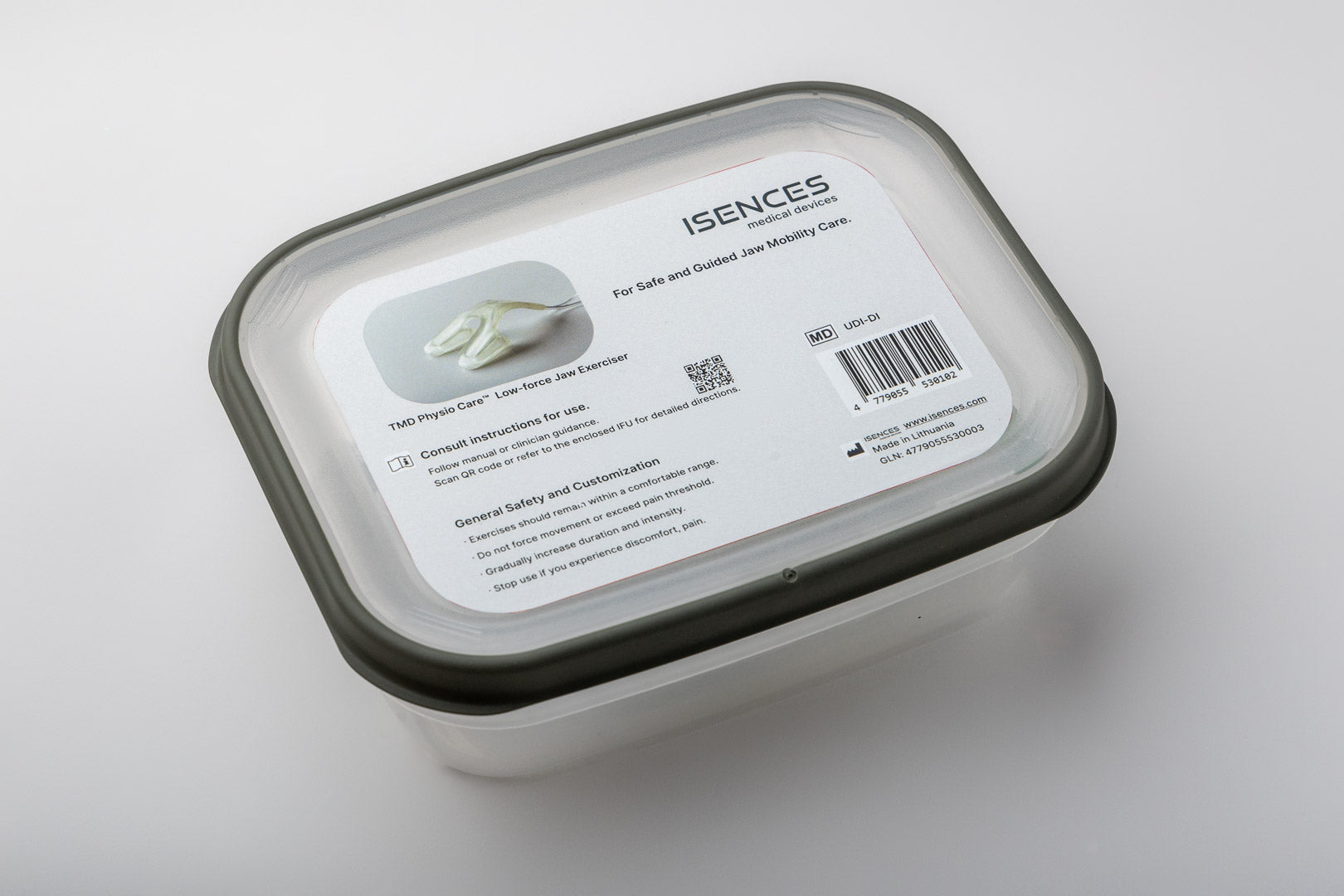
TMD
Physical
Therapist/
/
Low-force
Jaw
Exerciser
You may also like:
TMD Physical Therapist/ / Low-force Jaw Exerciser
Description
&
Benefits
What is the Isences® TMD Physio Care?
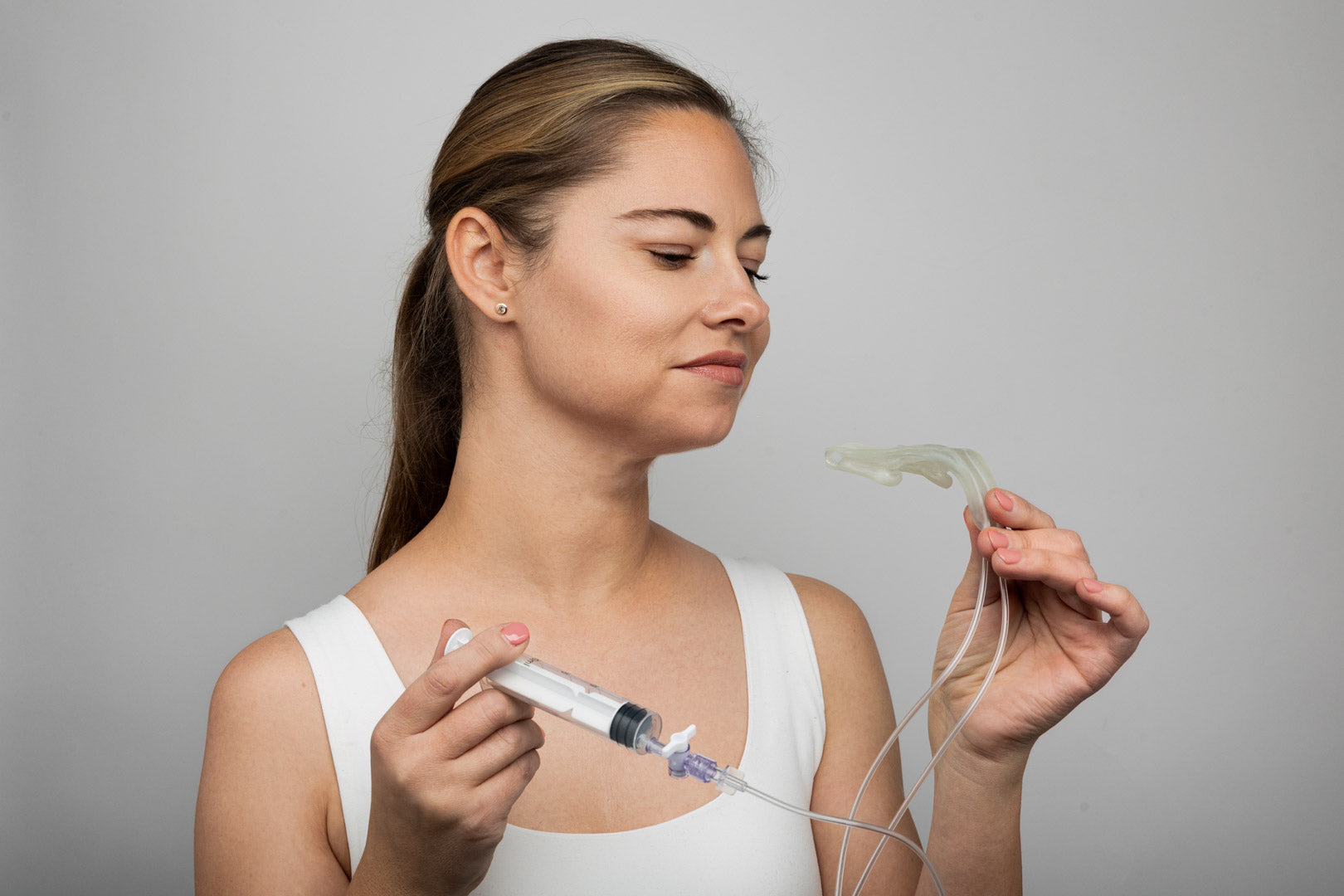
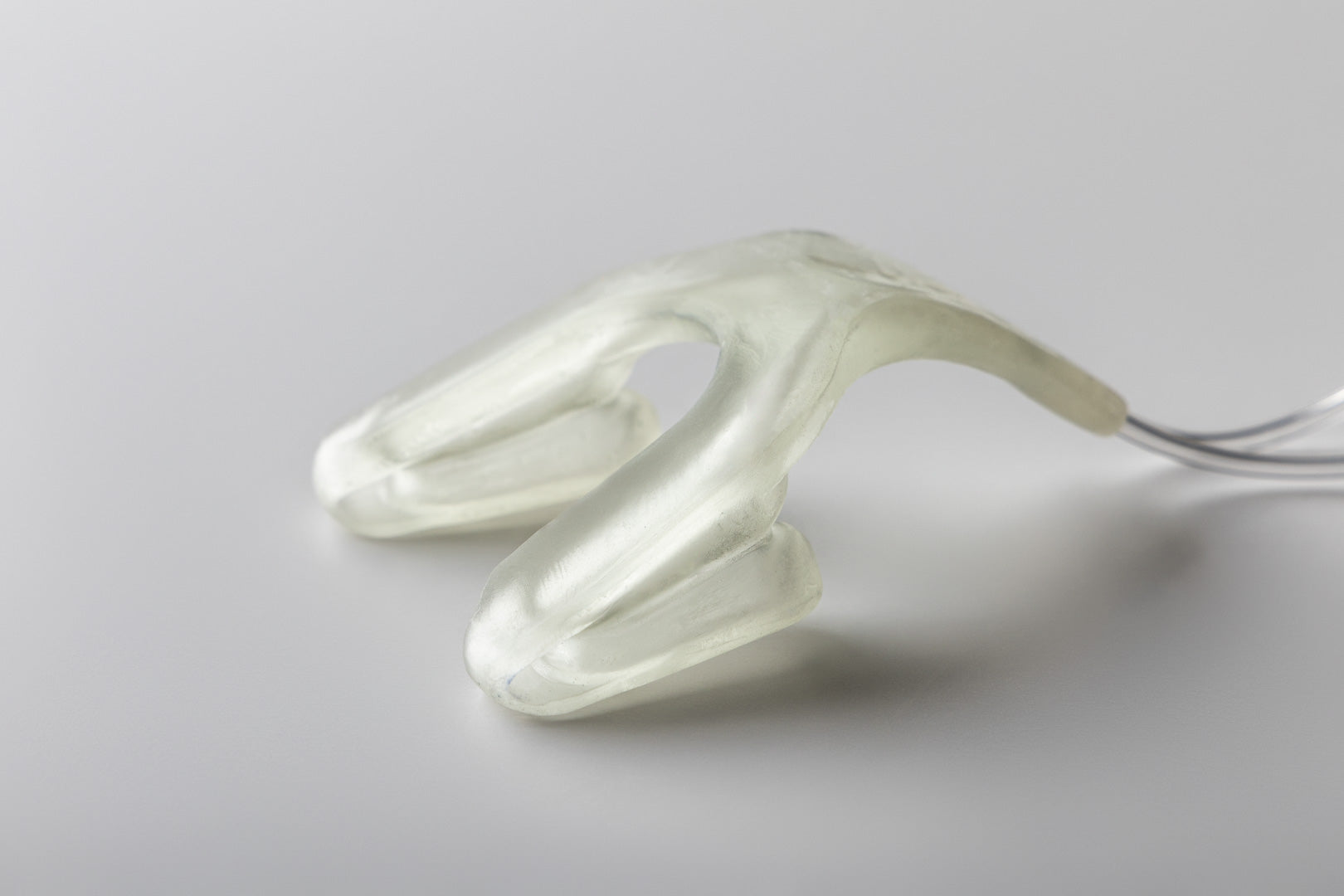
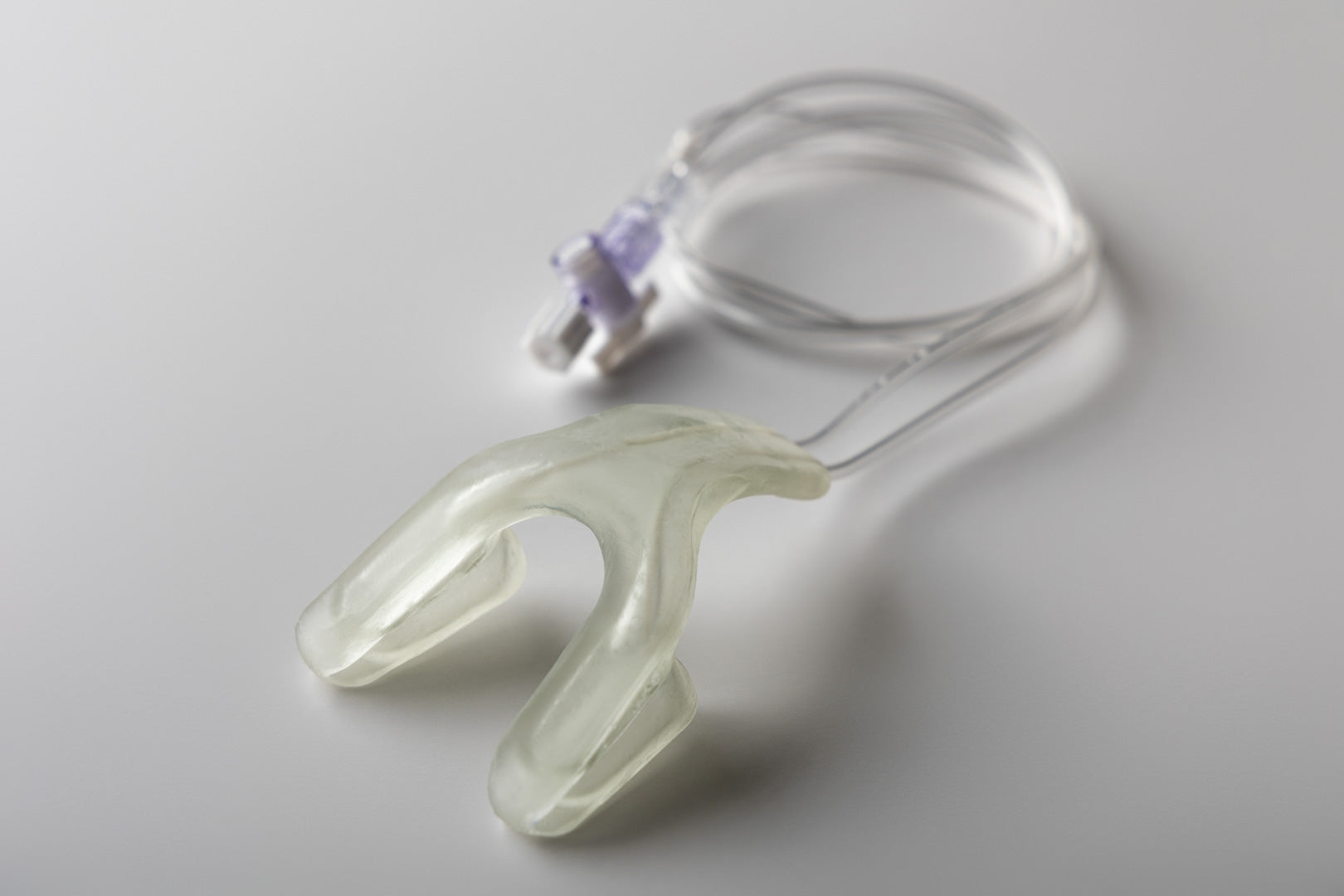
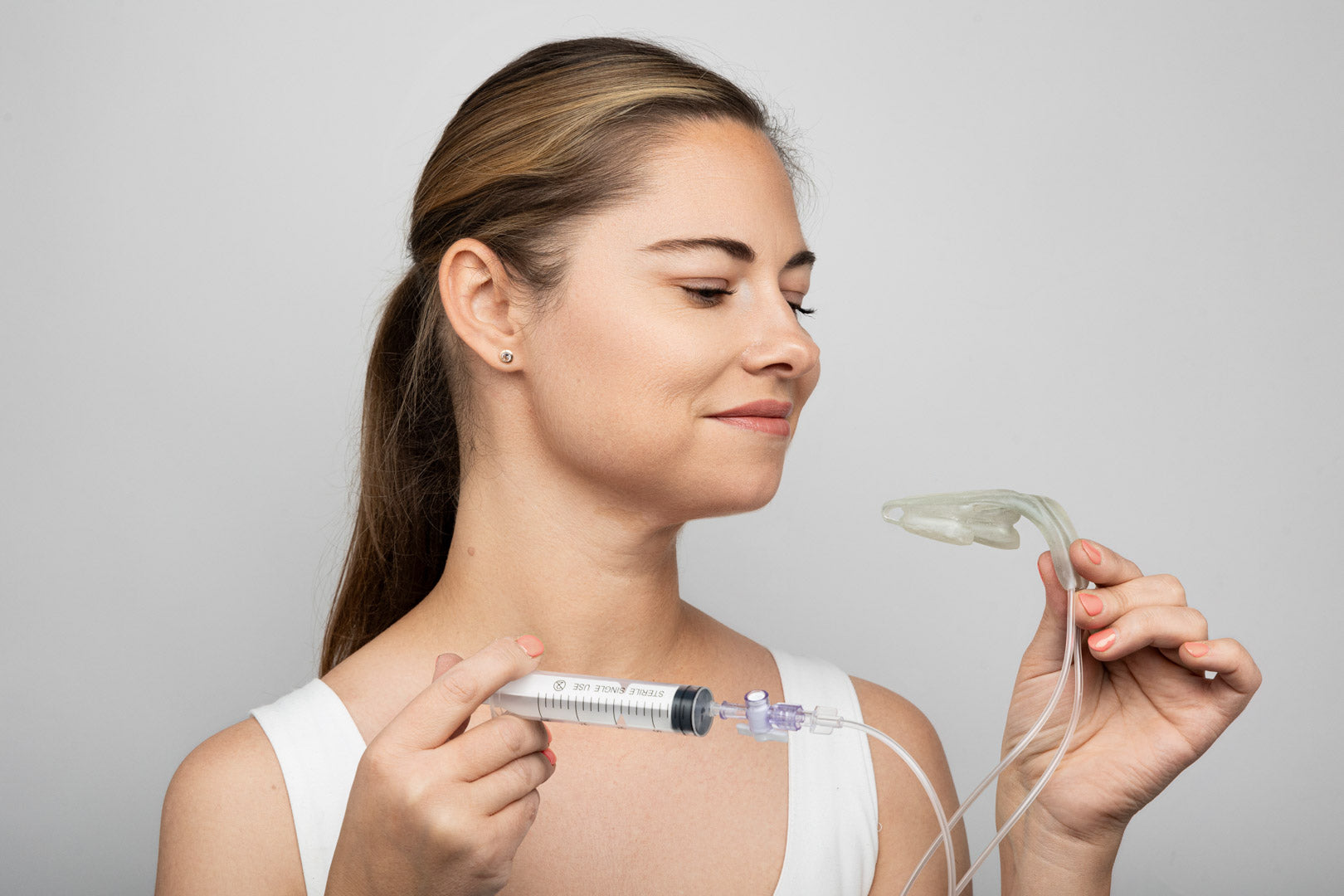
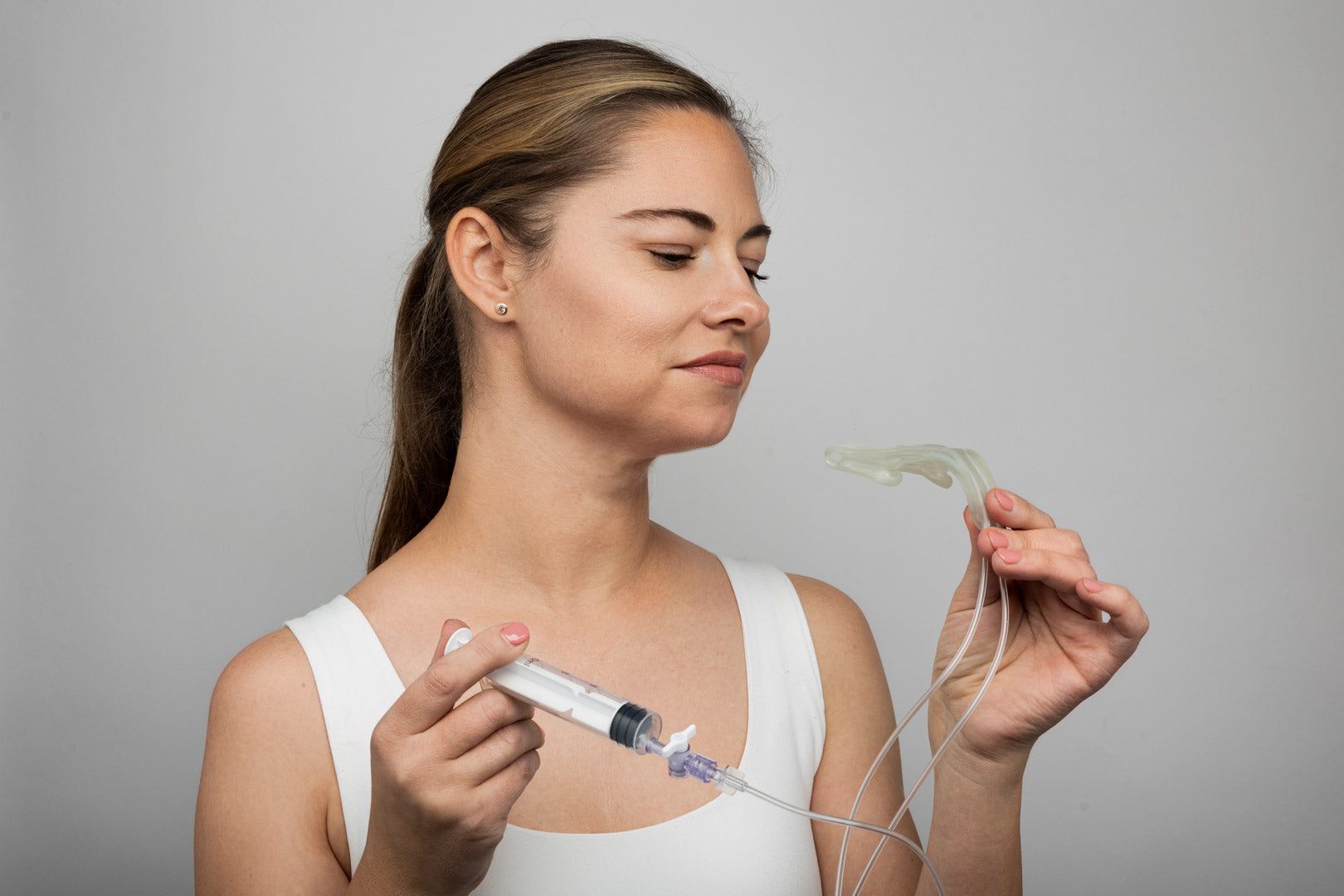
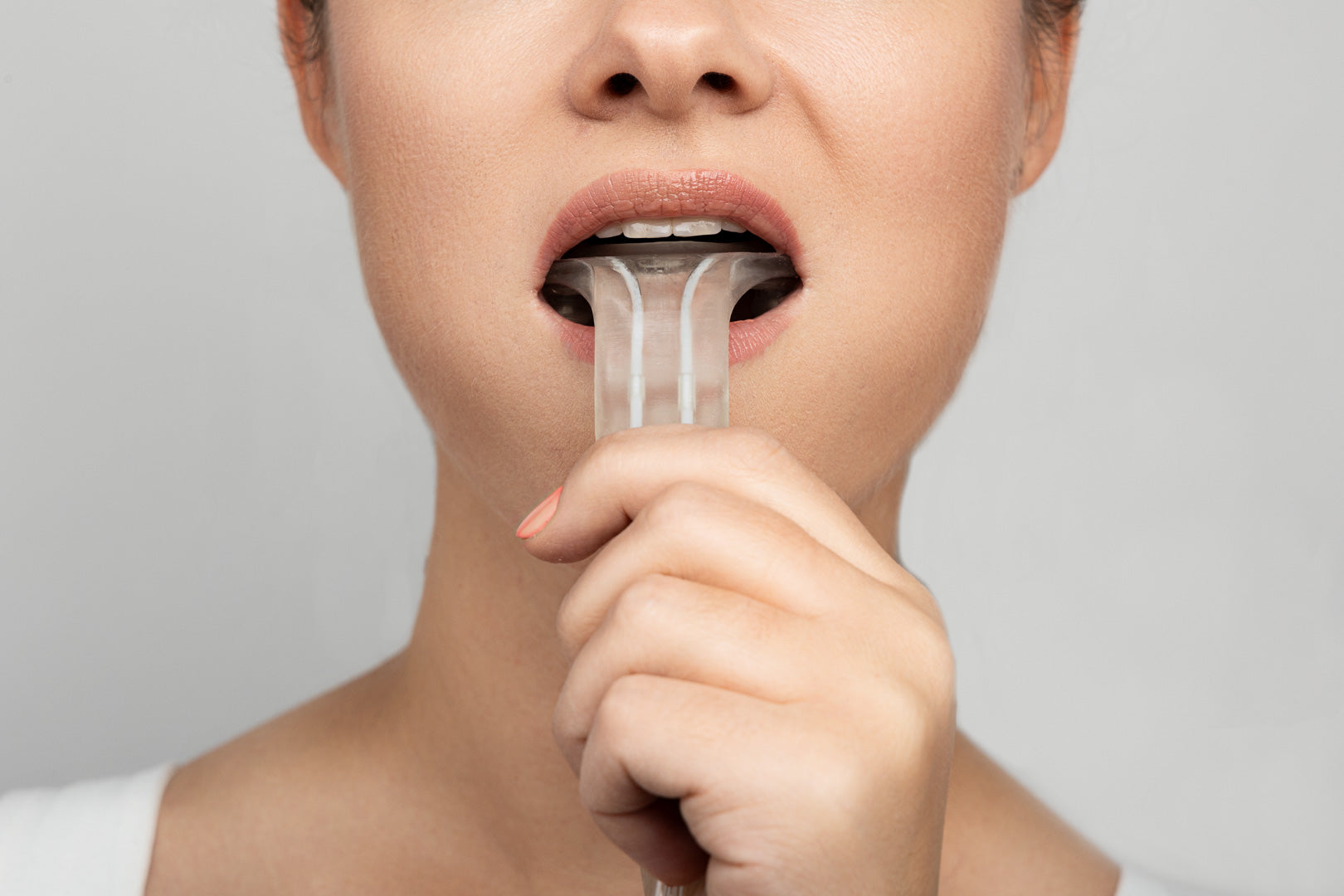
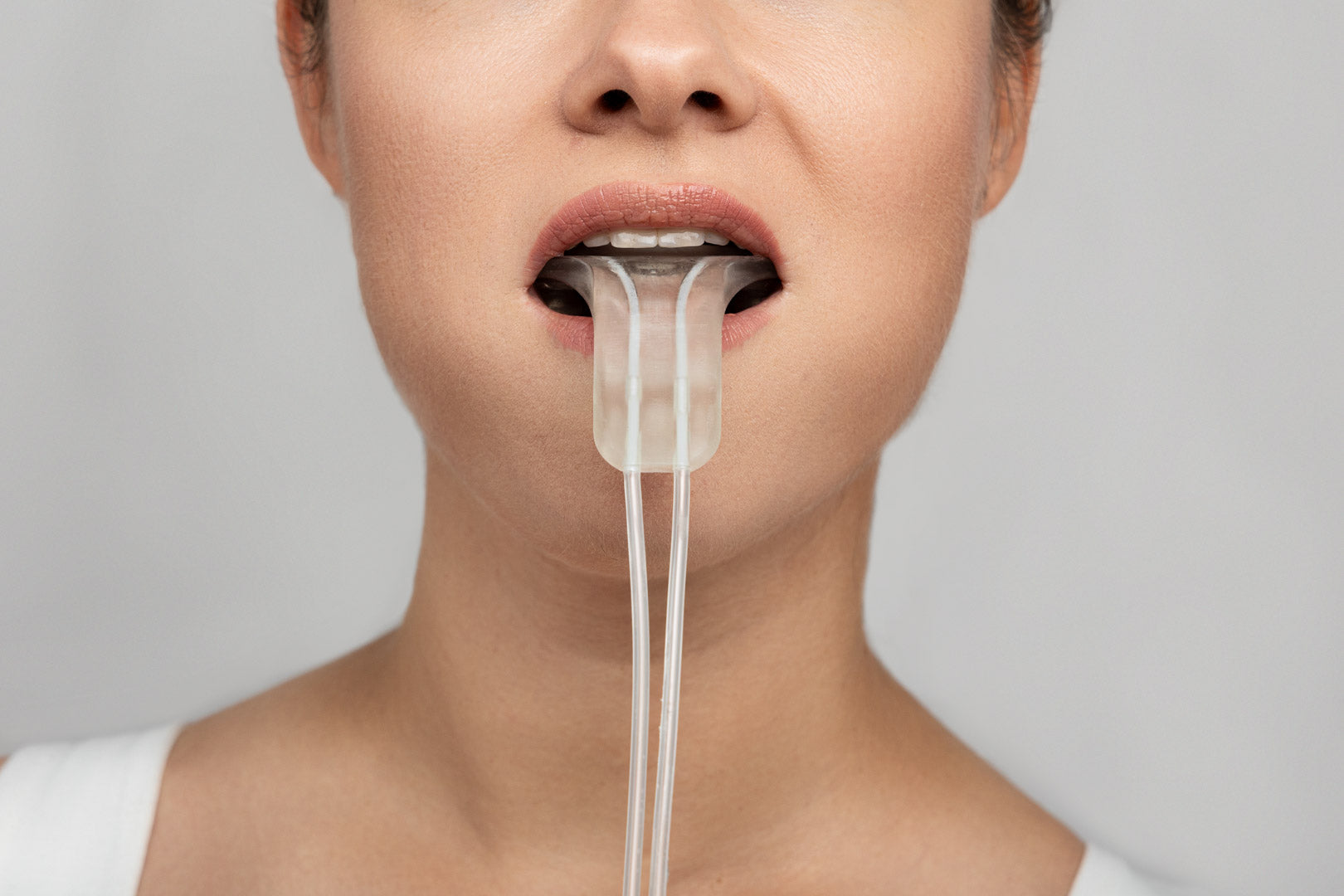
The Isences® TMD Physio Care is a medical-grade jaw rehabilitation device designed for physiotherapists treating temporomandibular disorders (TMD), trismus, and jaw stiffness.
Using inflatable functional elements, it creates a natural biaxial rotational–shear jaw movement that restores mobility while protecting the temporomandibular joint (TMJ) from excessive load.
· Ideal for gentle strengthening and mobility exercises, the device helps improve mouth opening, chewing efficiency, and pain reduction.
It also supports post-stroke dysphagia therapy by promoting safer swallowing and muscle coordination.
Manufactured for single-patient, multiple use, the Isences® TMD Physio Care is available in single- and double-belly models to fit various rehabilitation needs.
A trusted choice for TMD physiotherapy, jaw muscle training, and clinical recovery programs.

Dimensions in the Oral Cavity
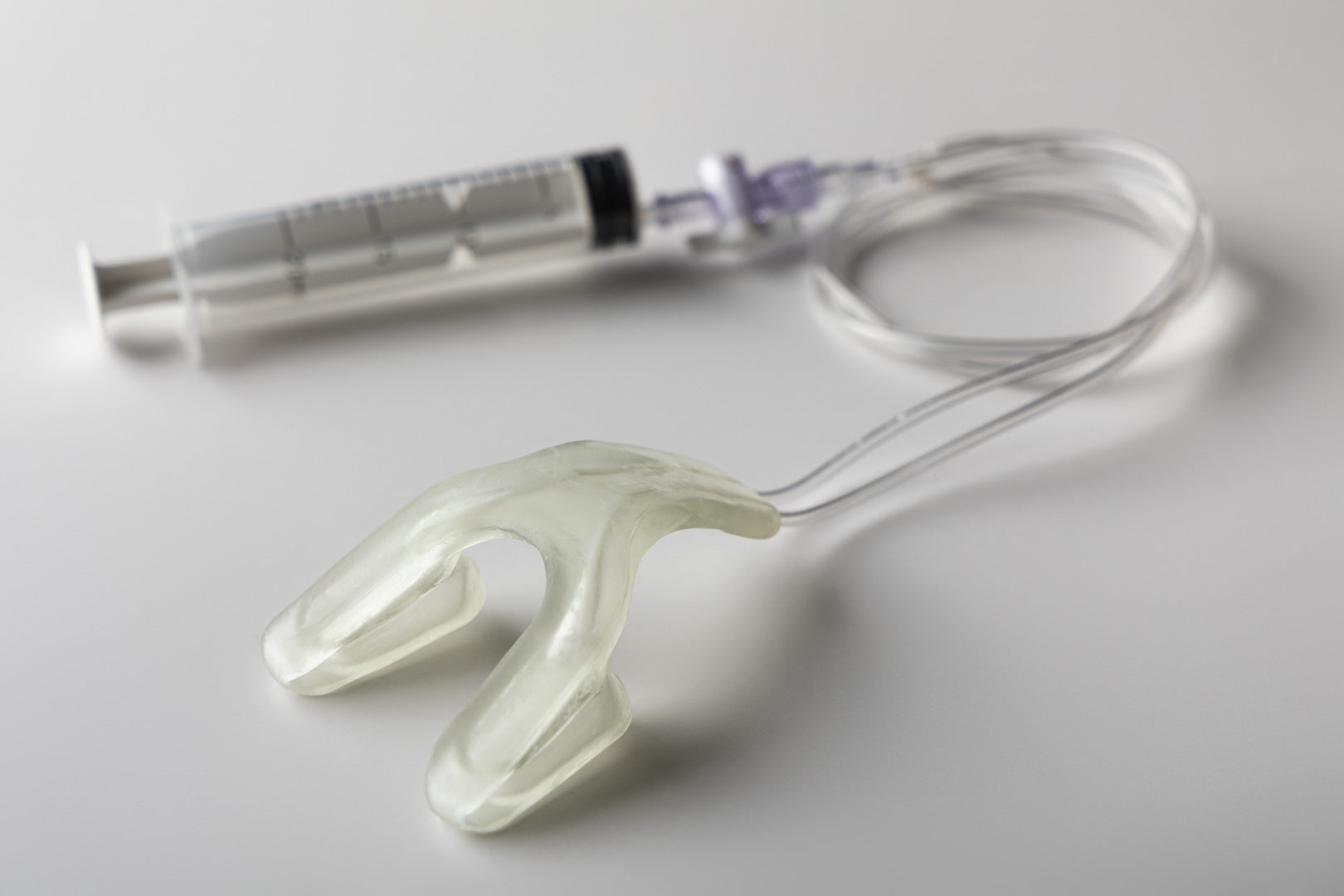
- Withdrawing 10 ml of air from the device (using a syringe) allows insertion when the mouth opening is limited to approximately 15 mm.
- Inflating with up to 14 ml of air enables the user to achieve a maximum mouth opening of approximately 32 mm.
(When used according to the recommended air volume, the device maintains effectiveness for more than 3K exercise cycles.)
(**Approximate measurements. Actual results may vary with individual anatomy and clinical progress.)
Functional / dynamic force specifications
- Functional amplitude of Jaw opening exercises up to 17 mm.
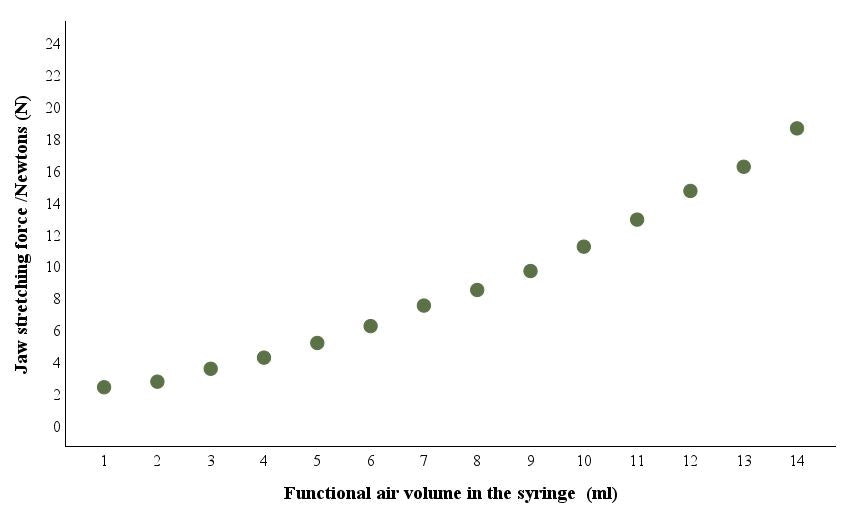
- The force of Jaw stretching exercises is up to 18 Newtons (N) (see Fig.1).
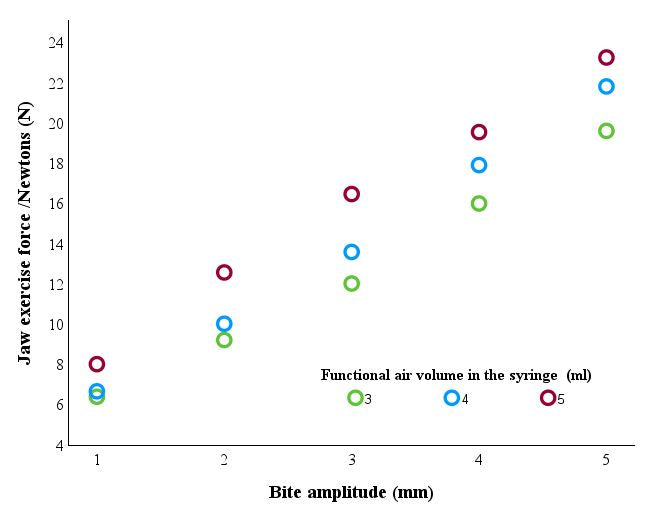
- Jaw strengthening exercise force up to 22 N depending on the amount of air injected into the device and the bite amplitude ( see Fig.2).
(When used according to the recommended air volume and bite amplitude, the
device maintains effectiveness for more than 3K exercise cycles.)
Fig.1

Fig.2
Mobility Training (Gentle Stretching for Range of Motion)
Purpose:
Restore functional, pain-free mandibular movement and improve joint and soft tissue extensibility.
Technique:
- Sit upright in a comfortable position, keeping your shoulders relaxed and your head in a neutral, balanced posture.
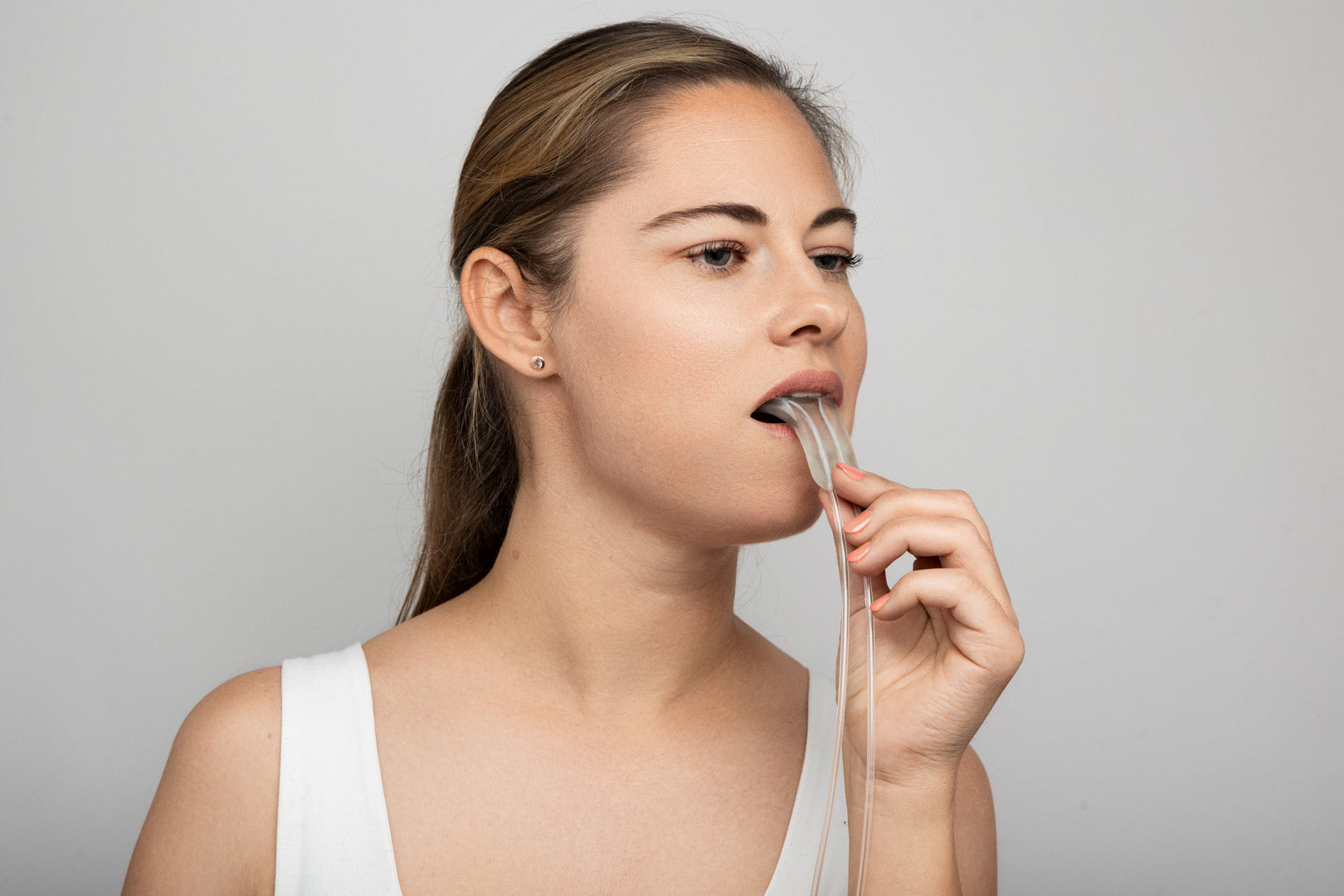
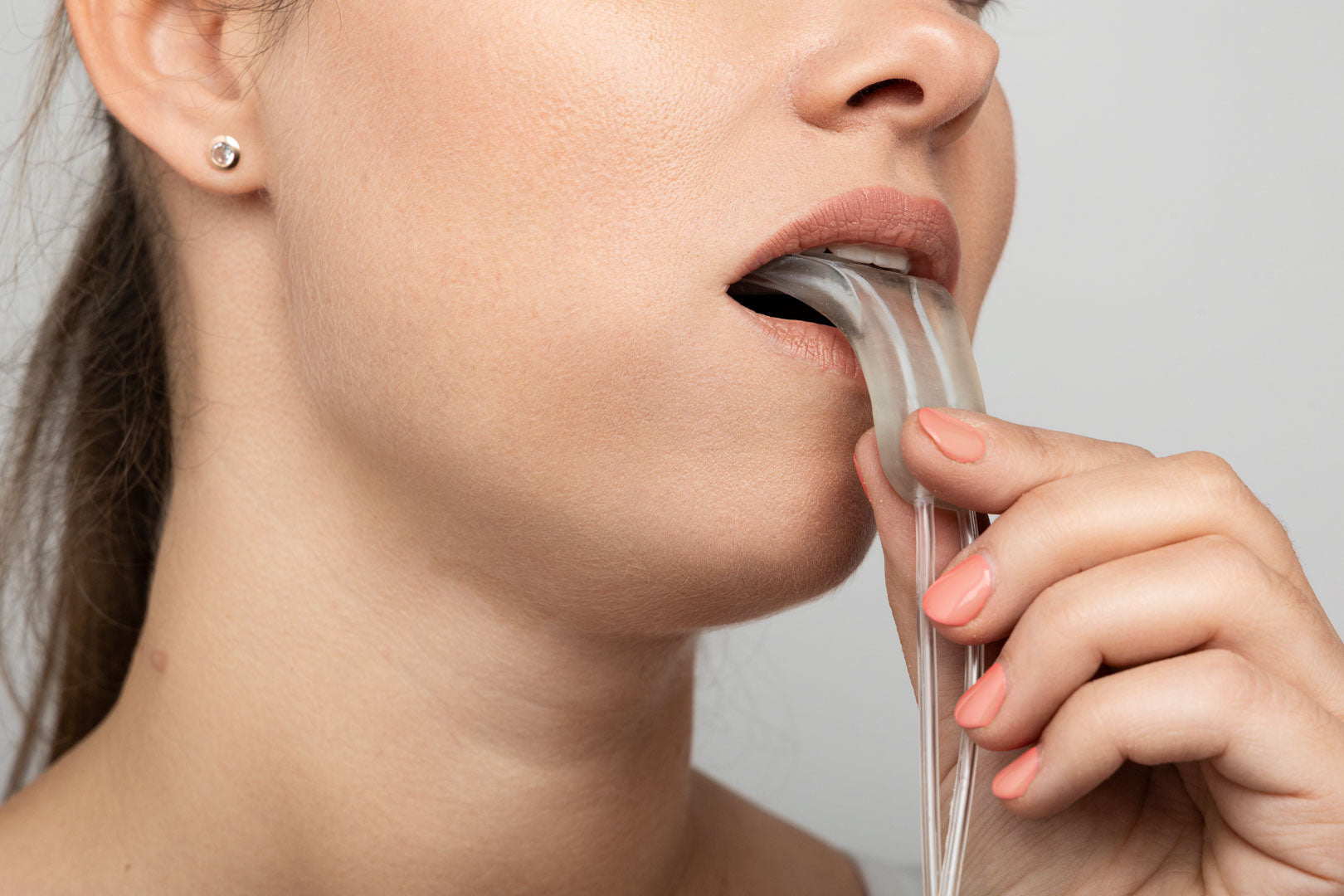
- Gently open your mouth and place the jaw exerciser so that its end rests over your molar teeth.
If mouth opening is limited and placement is difficult:
- Withdraw the recommended volume of air from the device using the syringe to reduce its size and allow easier insertion.
If the exerciser was inserted after partial air withdrawal:
- Detach the one-way stopcock from the syringe before beginning the exercise. This allows the device to refill naturally with air to match your current mouth opening range.
- Once the exerciser expands to your comfortable limit, reconnect the syringe and gradually re-inflate the device, adding small amounts of air at 3–5 second intervals, until you feel a gentle stretching sensation—never pain.
After reaching the desired stretch:
- Close the stopcock to maintain the air pressure and hold the stretch for 10–15 seconds.
- When complete, open the stopcock and slowly release the air before removing the exerciser.
Dosage:
- Repetitions: 3–5 per session
- Frequency: 3–5 sessions daily
- Intensity: Mild tension only (approximately 3/10 effort on a subjective scale)
- Progression: Gradually increase stretch duration to 15-20 seconds after 1–2 weeks if no discomfort occurs
Safety Note:
Do not overextend or make sudden, forceful movements.
If you feel soreness or stiffness after using the device for over an hour, try gentler movements or reduce how often you exercise.
Stability Training (Controlled Strength & Neuromuscular Coordination)
Purpose:
To improve muscular control, symmetry, and joint stability during mandibular movement.
Technique:
- Inflate the exerciser with the recommended 3 mL of air, then close the one-way stopcock to maintain internal pressure.
- Gently bite down on the exerciser so that the front teeth move toward contact within a small, controlled range of 1–5 mm*.
This motion produces a moderate isometric load (approximately 6–18 N), suitable for initial strengthening and coordination training (see Fig.2 ) - For progressive resistance, increase the air volume to 5 mL.
This adjustment generates approximately 8–22 N of resistance, allowing controlled isometric exercise with a 1–5 mm* movement amplitude of the front teeth (see Fig.2 ).
Throughout the exercise:
- Maintain smooth, symmetrical jaw motion—avoid clenching or abrupt force.
- Ensure there is no pain or discomfort in the joint or muscles.
- Focus on steady muscle engagement and precise control rather than maximal effort.
Dosage:
- Intensity: Submaximal (approximately 15–30% of maximal effort)
- Hold time: 5 seconds per contraction
- Repetitions: 5–10 per session
- Frequency: 1–2 sessions daily
Safety Note:
All movements must be controlled and symmetrical. Discontinue exercise if pain, clicking, or joint locking occurs.
Balancing Flexibility and Strength
Purpose:
To maintain balance between joint mobility and muscular stability, ensuring efficient, coordinated jaw function.
Guideline:
- Sequence: Perform mobility (stretching) first, followed by stability (strength) exercises.
- Stretching improves range of motion; strengthening stabilizes the joint within that new range.
- Excessive stretching may increase joint laxity, while overemphasis on strengthening may cause stiffness or muscular tension.
Integrated Session Example:
- Gentle jaw stretch × 3 repetitions (5-7 seconds each)
- Isometric resistance × 5 repetitions (5 seconds each direction)
- Relaxed closing with light facial massage for 1–2 minutes.
General Safety and Customization
- Pain-free rule: Exercises should remain within a comfortable range; avoid any painful movement.
- Post-exercise response: No persistent pain, swelling, or stiffness should last beyond 6 hours.
- Posture: Maintain an upright, relaxed posture; avoid leaning forward or clenching.
- Environment: Perform exercises in a calm, quiet setting to minimize muscle tension.
- Progression: Only increase resistance or mouth opening under professional supervision.
⚠️ Contraindications – Do Not Use If:
Do not use the Isences® TMD Physio Care™ device if you have any of the following conditions unless specifically cleared by a qualified clinician:
Acute or Active Conditions
- Acute inflammation of the temporomandibular joint (TMJ)
- Active locking episodes or acute trismus
- Active infection in the oral cavity, jaw, or surrounding tissues (e.g., osteomyelitis, jaw arthritis)
Post-Trauma or Post-Surgical Situations
- Recent facial, jaw, or TMJ trauma
- Post-surgical phase without clinician clearance (e.g., after orthognathic or implant surgery)
- Fixed or wired jaws during the healing period
- Recent dental implant surgery (exercises may resume gradually after healing and professional approval)
Systemic or Structural Disorders
- Malignancy in the orofacial or cervical region
- Severe osteoporosis or bone fragility affecting the jaw
- Ankylosis of the TMJ (bony fusion limiting movement)
- Uncontrolled pain, numbness, or neurological symptoms in the face or jaw.
Maintenance and Cleaning
Proper maintenance and cleaning are essential to ensure safe, hygienic, and long-term use of the Jaw Device.
Cleaning After Each Use
- Release any remaining air from the functional element(s) via the syringe port.
- Rinse the device thoroughly under lukewarm running water to remove saliva.
- Clean the exerciser with liquid soap and a soft cloth or brush, as needed.
- Rinse again with clean water to remove any detergent residues.
Disinfection
- Wipe clean with a damp cloth or disinfectant wipe after each session.
- Allow the device to air-dry completely before storage or reuse.
- Do not autoclave or expose the device to high temperatures, as this may damage the material.
Inspection and Maintenance
- Inspect the device before each use for cracks, leaks, or deformation.
- Check the air valve and tubing for secure sealing and smooth operation.
- Replace the exerciser if you notice any signs of wear, air leaks, or tearing of the material.
Storage
· Store the Jaw Device clean and dry in a pouch sleeve and carrying case made of food-grade material.
The Jaw Device is made of biocompatible resin, which is designed for long-term skin contact (more than 30 days) and short-term mucosal contact (up to 24 hours), ensuring safety and great feel. The medical-grade resin, manufactured in an FDA registered, ISO 13485 certified factory and CE marked according to the EU MDR, meets the highest standards of quality and reliability.
Patents and Trademarks
The design of the Isences® TMD rehabilitation device is registered with the European Union Intellectual Property Office (EUIPO) and in international design registers administered by WIPO, including registrations in the United States and other countries. A European patent application (No. EP 25154393.0) has been filed with the European Patent Office and is currently pending, with additional patent applications pending in the United States.
Isences® is a registered EU trademark. All intellectual property rights associated with this product are owned exclusively by Isences.
Frequently
Asked
Questions
What conditions is the Isences® TMD Physio Care designed to treat?
The Isences® TMD Physio Care is designed to support rehabilitation for temporomandibular
disorders (TMD), trismus, jaw muscle spasms, and restricted mouth opening. It is commonly used
in physiotherapy and dental rehabilitation to improve jaw mobility, reduce muscle tension, and
support functional recovery.
How does the device protect the temporomandibular joint (TMJ)?
The device uses inflatable functional elements that create a controlled biaxial rotational–shear
movement of the lower jaw. This mimics physiological jaw motion and helps reduce excessive
biomechanical load on the TMJ, making it safer than rigid or static jaw exercisers.
Can this device be used for jaw strengthening exercises?
Yes. In addition to mobility exercises, the device supports low-intensity jaw strengthening by
allowing patients to move the jaw against controlled resistance. These exercises can help improve
jaw muscle strength, coordination, bite force, and chewing efficiency.