Millions of people experience jaw clicking, stiffness, limited opening, or facial pain — symptoms commonly known as TMD (temporomandibular disorders).
These issues can make eating, speaking, and even smiling uncomfortable.
The promising news?
Safe, guided jaw mobility and stability exercises can support recovery, reduce tension, and restore natural movement.
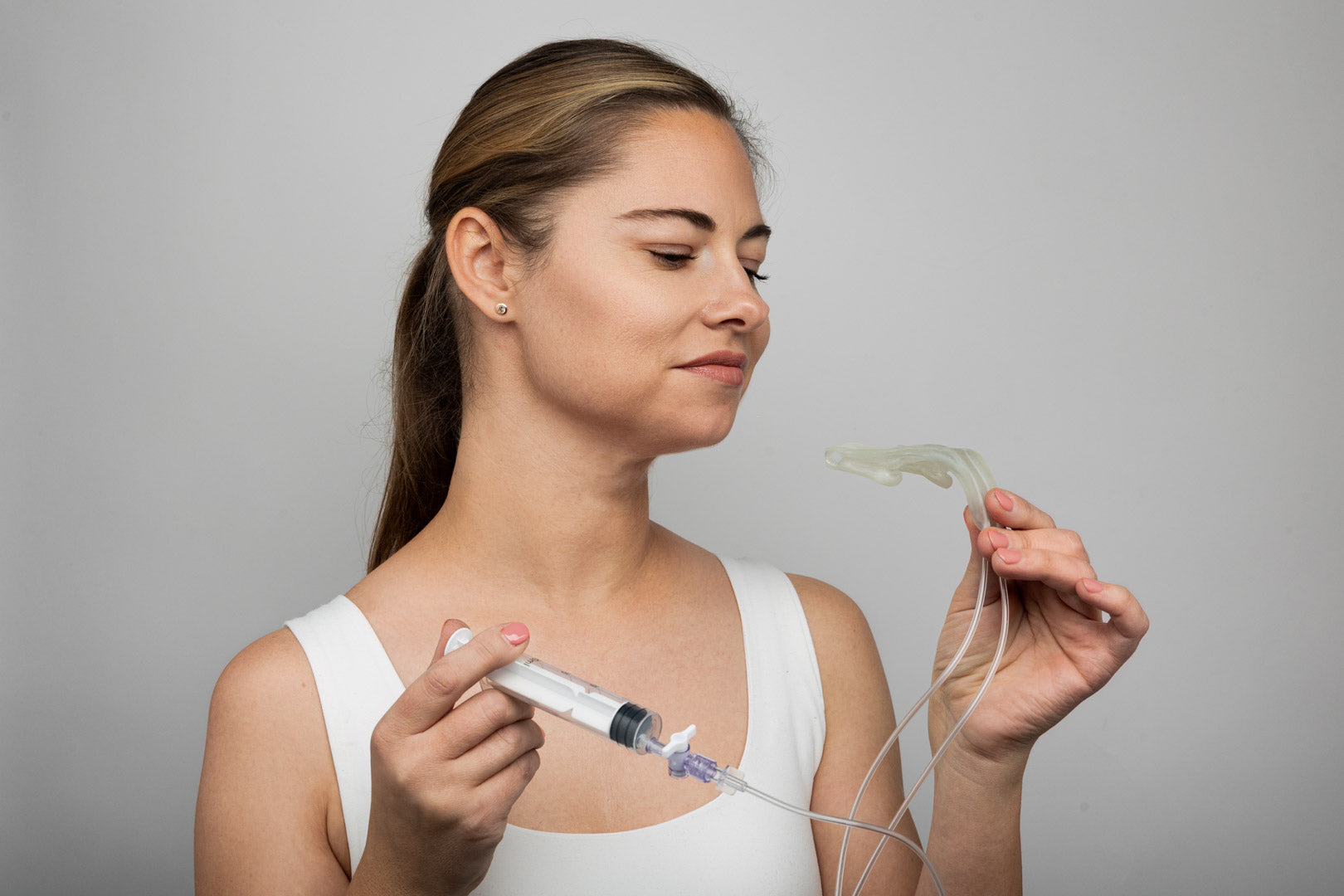
One clinically developed tool that helps with this process is the Isences® TMD Physio Care™ device — designed to gently stretch, strengthen, and coordinate the jaw.
Why Jaw Exercise Matters
Your jaw relies on:
✔ A smooth-moving temporomandibular joint (TMJ)
✔ Muscles that are strong and flexible
✔ Balanced movement between the left and right sides
Pain, trauma, stress-related clenching, or dental treatment can disrupt this balance.
Mobility exercises help:
-
Increase mouth opening
-
Improve joint lubrication
-
Reduce muscle tightness
-
Decrease the feeling of “locking”
Stability (strength + control) exercises help:
-
Restore smooth motion
-
Improve bite coordination
-
Protect the joint as mobility improves
Both are essential — stretch first, then strengthen.
How the TMD Physio Care™ Device Works
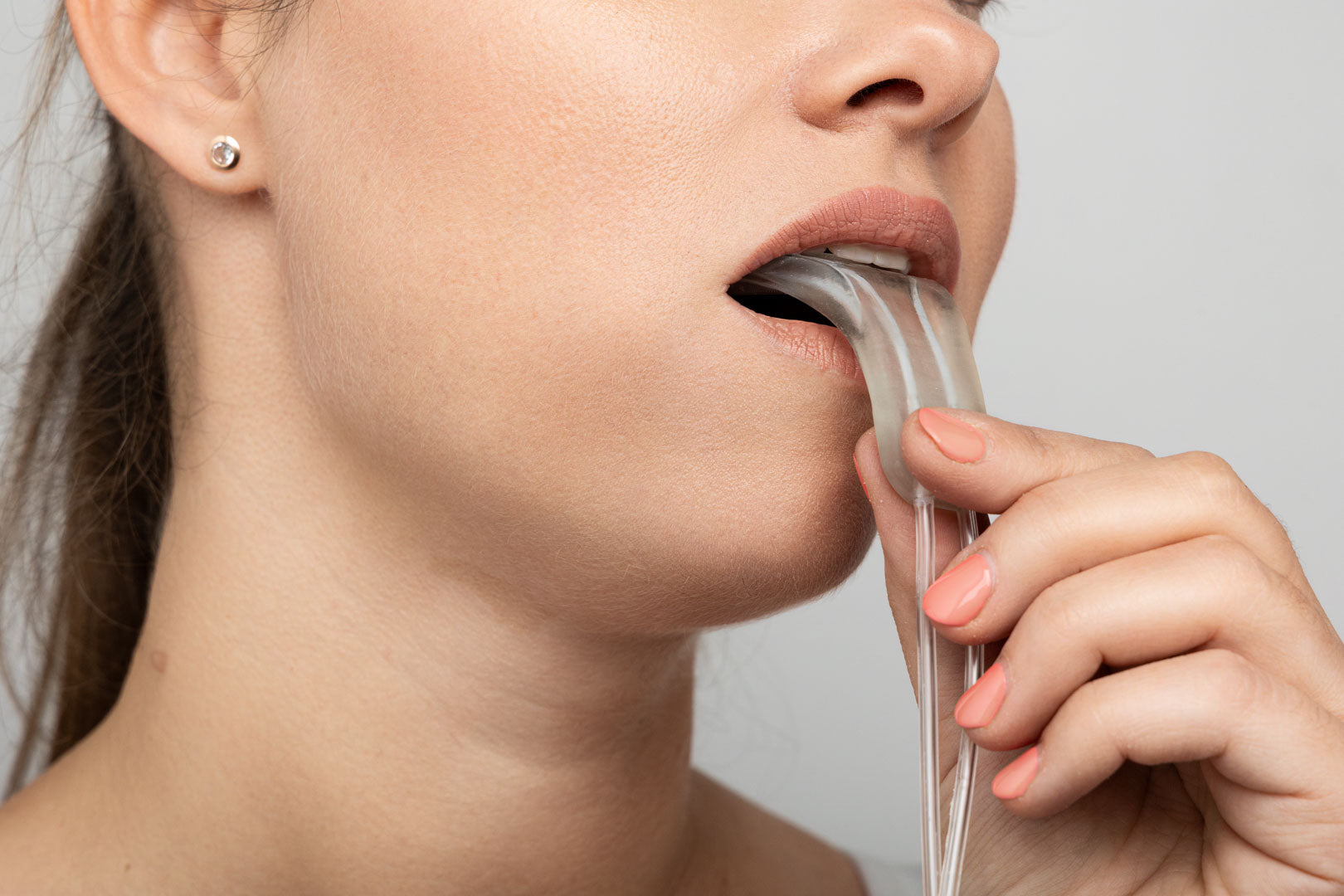
The device goes between the teeth like a cushioned support.
A syringe adjusts internal air volume to:
-
Help insert it easily even when the mouth barely opens
-
Expand gently to reach a comfortable stretch
-
Provide controlled resistance for strengthening
This allows gradual, safe progression without forcing the joint.
Mobility Training: Gentle Stretching for Better Opening
Purpose
Restore pain-free movement and soft-tissue flexibility.
How to do it
-
Sit upright with a relaxed jaw and neck.
-
Insert the device — remove some air if your mouth opening is limited.
-
Allow it to expand gently until a comfortable stretch is felt (never pain).
-
Hold 10–15 seconds.
-
Release air slowly and remove.
Recommended routine
• 3–5 repetitions per session
• 3–5 sessions per day
• Mild tension only (around 3/10 effort)
• Progress gradually over 1–2 weeks
Stability Training: Control + Strength to Support the Joint
Purpose
Improve muscle balance, bite coordination, and joint stability.
How to do it
-
Inflate with a small volume of air (e.g., 3–5 mL).
-
Gently bite with controlled movement (about 1–6 mm).
-
Hold 5 seconds each repetition.
-
Avoid clenching or sudden movement.
Recommended routine
• 5–10 reps
• 1–2 sessions per day
• 15–30% perceived effort
Why You Must Balance Stretching & Strength
Too much stretching = joint laxity and instability
Too much strengthening = stiffness and tension
That’s why the recommended sequence is:
Stretch ➜ Strengthen ➜ Relax
Example session:
| Step | Exercise | Time |
|---|---|---|
| 1 | Gentle jaw stretch | 3–5 reps × 5–7 sec |
| 2 | Isometric stability load | 5 reps × 5 sec |
| 3 | Relaxed closing + light massage | 1–2 min |
Small, consistent progress → best long-term results.
Safety & When to Seek Professional Guidance
Stop exercising and consult a clinician if you experience:
-
Sharp pain
-
Locking or shifting of the jaw
-
Swelling or prolonged soreness
Extra caution is required for:
• Joint hypermobility or previous dislocation
• Neurological disorders affecting jaw control
• Acute inflammation or trauma
You should not use the device without medical clearance if you have:
-
Jaw fractures or active infections
-
Early post-operative restrictions
-
Severe osteoporosis in the craniofacial region
-
True ankylosis (fused joint)
Cleaning & Maintenance (Quick Guide)
After each use:
-
Release air
-
Rinse with lukewarm water
-
Wash with mild soap if needed
-
Disinfect and air-dry fully
-
Store clean and dry in the case provided
Do not autoclave or expose to high heat.
Designed for Clinical Safety & Comfort
The device is made from:
-
Biocompatible medical-grade resin
-
Produced in an FDA-registered and ISO 13485 certified facility
-
CE-marked according to EU MDR
Patent pending © Isences®
Final Thoughts: Movement is Medicine
Your jaw is made to move — when it can’t, everything from eating to speaking suffers.
Regular, guided exercises with the right tool can help you:
✔ Improve jaw function
✔ Reduce discomfort
✔ Prevent worsening symptoms
✔ Feel more confident performing daily activities
The Isences® TMD Physio Care™ system supports that journey with precision, safety, and comfort.