Isences®
TMD
Physio
Care™
–
High-Resistance
Jaw
Mobility
&
Exercise
Device
for
Rehabilitation
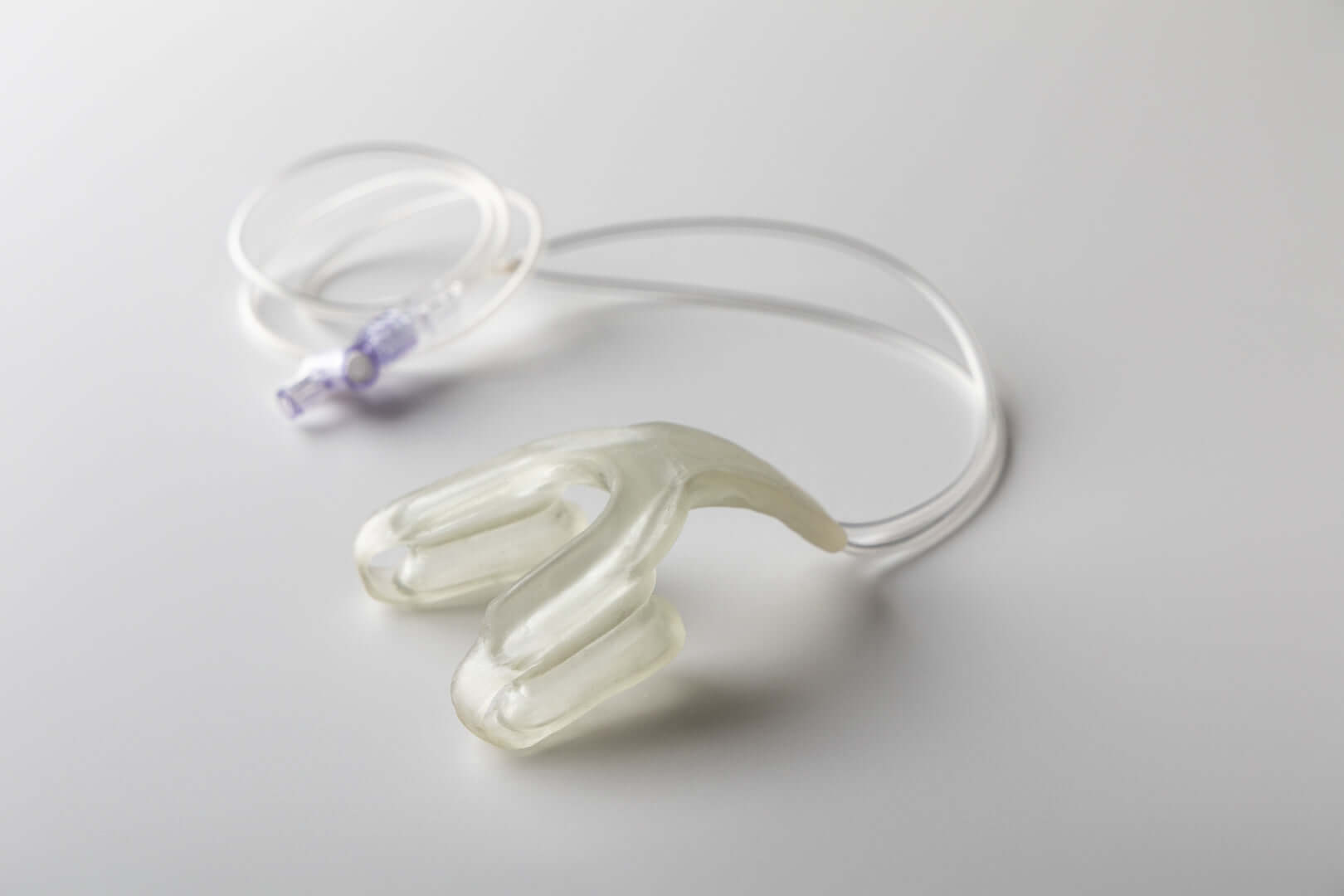
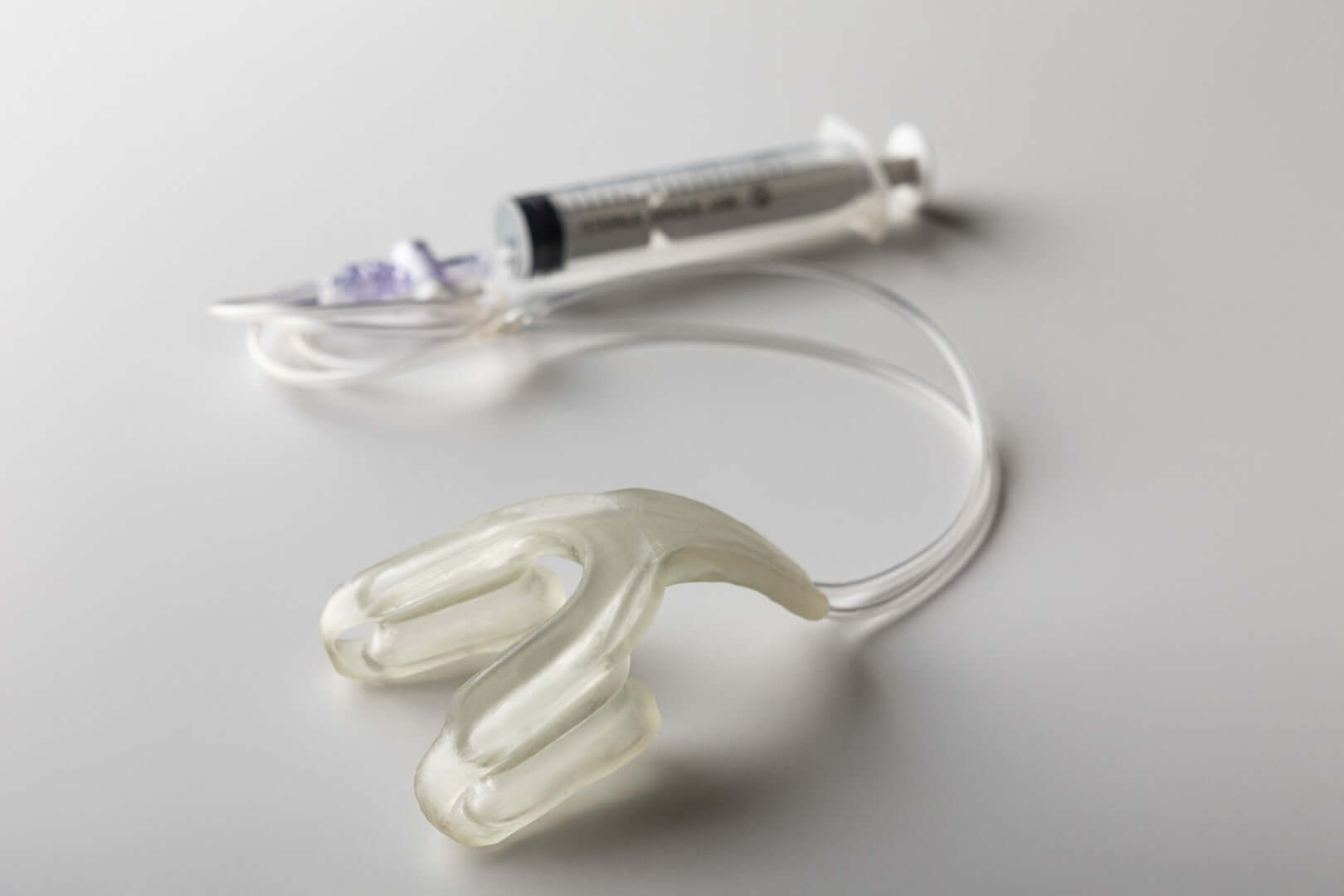
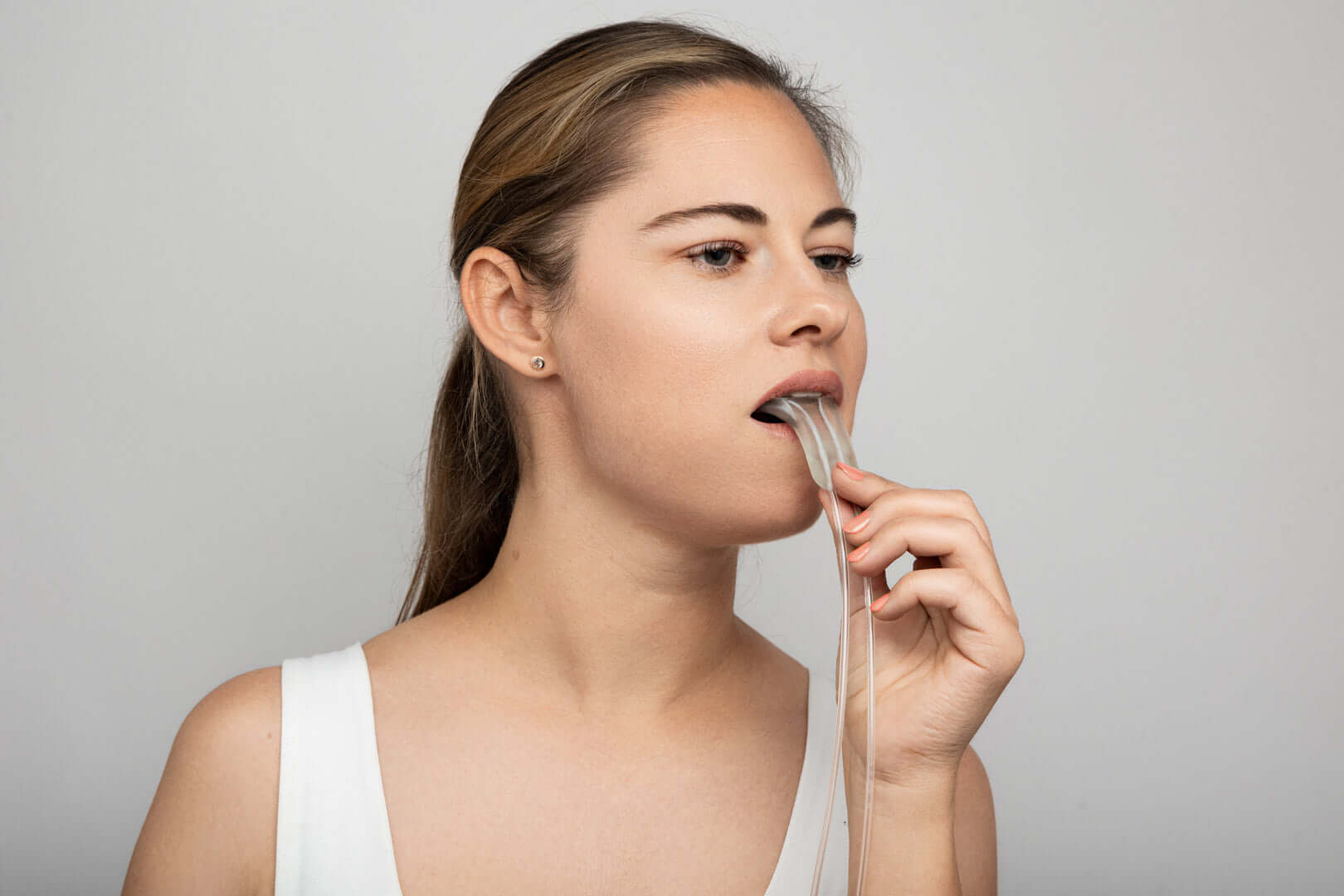
TMD Physio Care™ (Higher-Resistance) is designed as a clinical adjunct tool to support physiotherapists in delivering controlled, efficient, and reproducible TMJ rehabilitation.
GTIN
You may also like:
Isences® TMD Physio Care™ – High-Resistance Jaw Mobility & Exercise Device for Rehabilitation
Clinical
Specifications
&
Functional
Parameters
Primary Clinical Function
Unlike mobility-focused configurations, the higher-resistance version is not primarily intended to reproduce full physiological jaw movement patterns.
Its main purpose is to support manual therapy techniques, particularly:
- Joint distraction (decompression)
- Controlled mandibular loading
- Assisted mobility under therapist guidance
Supporting Manual Therapy
In TMJ physiotherapy, techniques such as joint distraction (e.g., thumb-on-molar) are commonly used to:
- Reduce intra-articular pressure
- Improve joint mobility
- Facilitate functional movement
How the Device Supports This Approach
TMD Physio Care™ can complement these techniques by:
- Providing controlled, sustained distraction-like forces
- Reducing therapist thumb and hand strain during repetitive sessions
- Delivering consistent and reproducible loading conditions
This improves treatment efficiency and supports the transition from manual therapy to active rehabilitation.
Clinical Benefits
- Supports joint decompression and mobility (distraction-based therapy)
- Enables controlled, sustained resistance for therapeutic loading
- Reduces therapist thumb and hand strain during repetitive manual techniques
- Improves consistency and repeatability of applied forces
- Facilitates transition from passive techniques to active rehabilitation
Use Context & Professional Positioning
This configuration is particularly suited for:
- Manual therapy support (e.g., joint distraction techniques)
- Early-stage or assisted mobilization
- Cases requiring joint unloading and controlled mandibular positioning
- Integration into structured TMJ physiotherapy protocols
It is intended for supervised clinical use, where precise control of force and movement is required.
TMD Physio Care™ (Higher-Resistance) is not a replacement for manual therapy, but a therapeutic extension tool that:
- Enhances treatment efficiency and therapist ergonomics
- Provides controlled mechanical assistance during therapy
- Supports progressive rehabilitation planning
- Bridges manual therapy and device-assisted intervention
Dimensions in the Oral Cavity
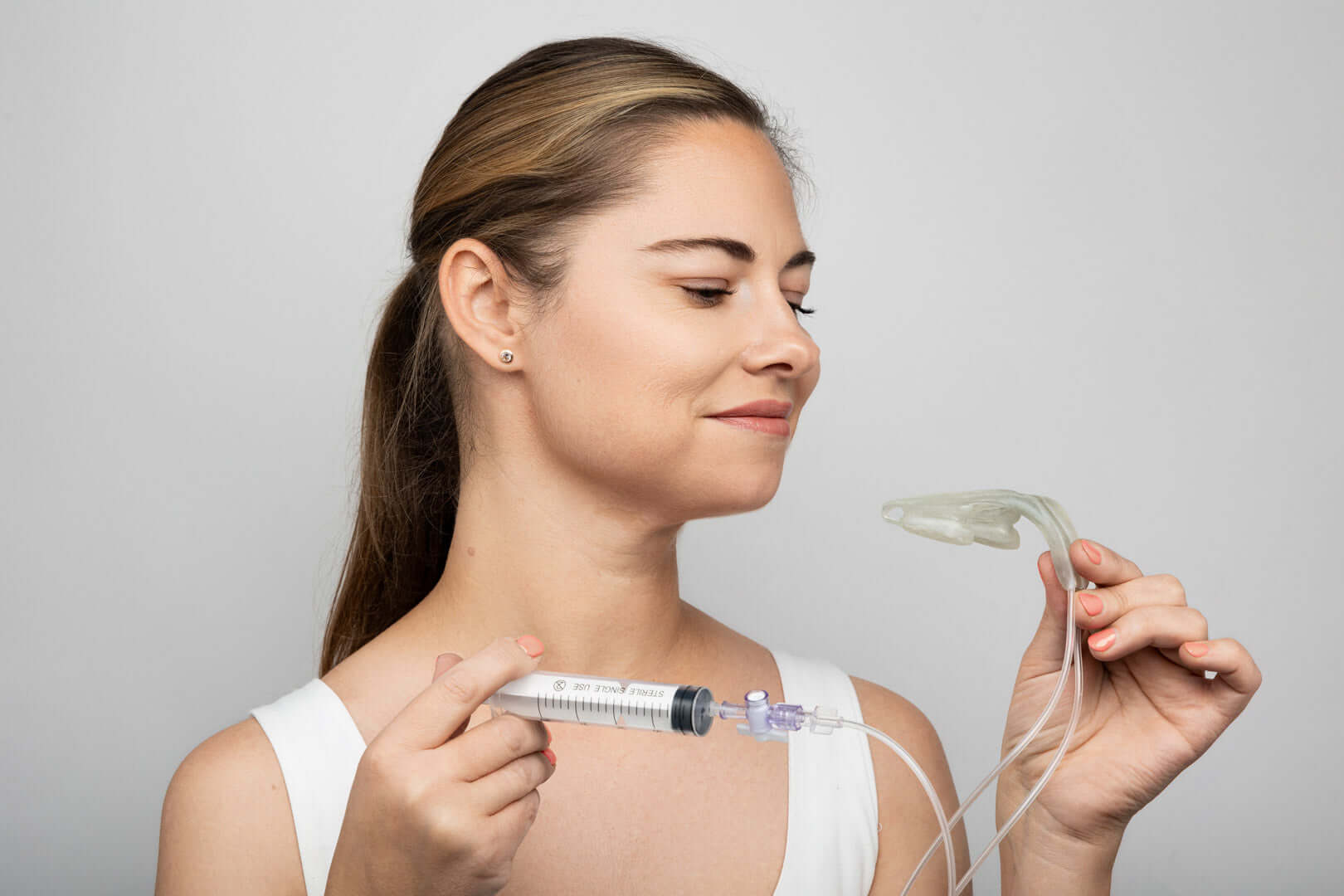
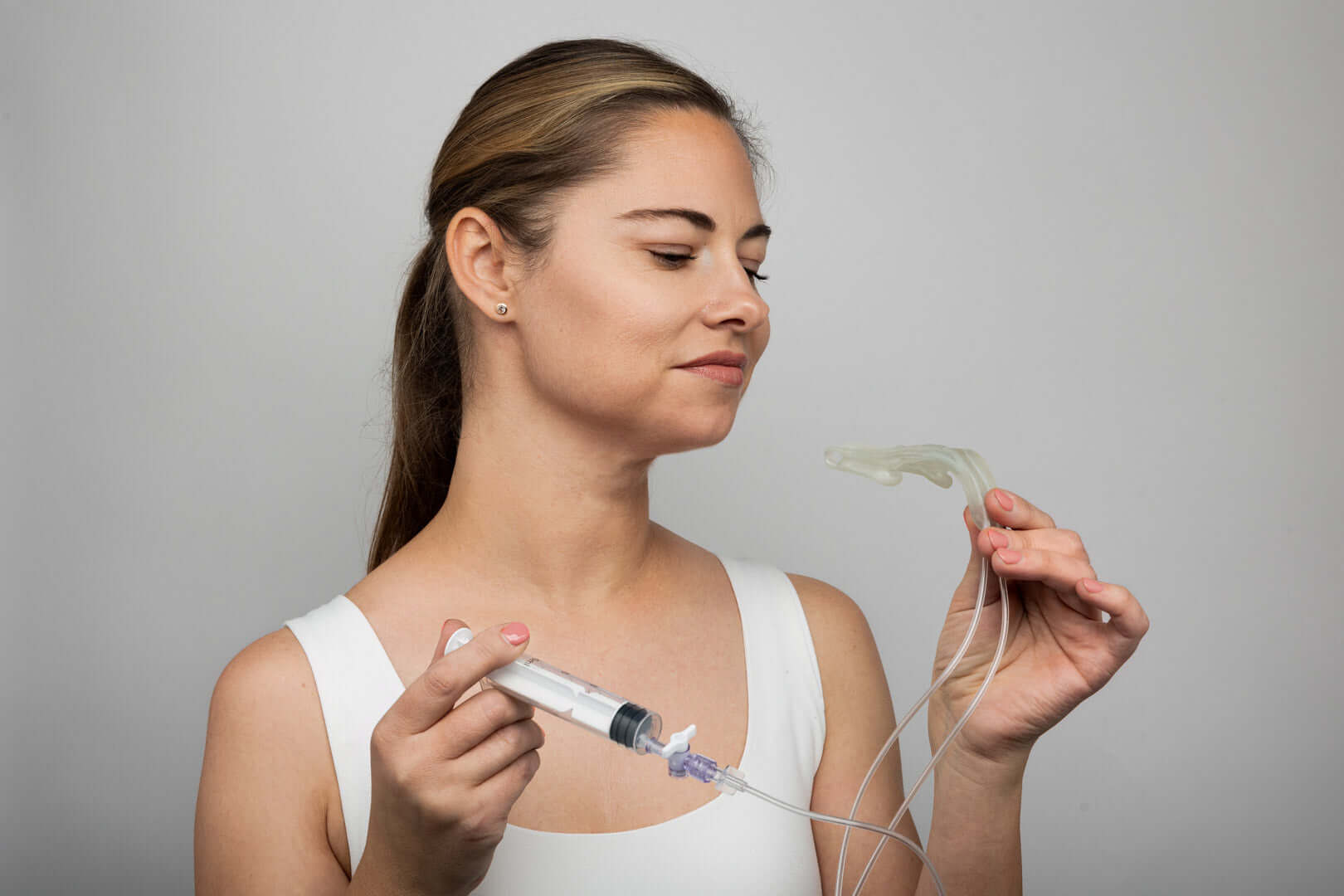
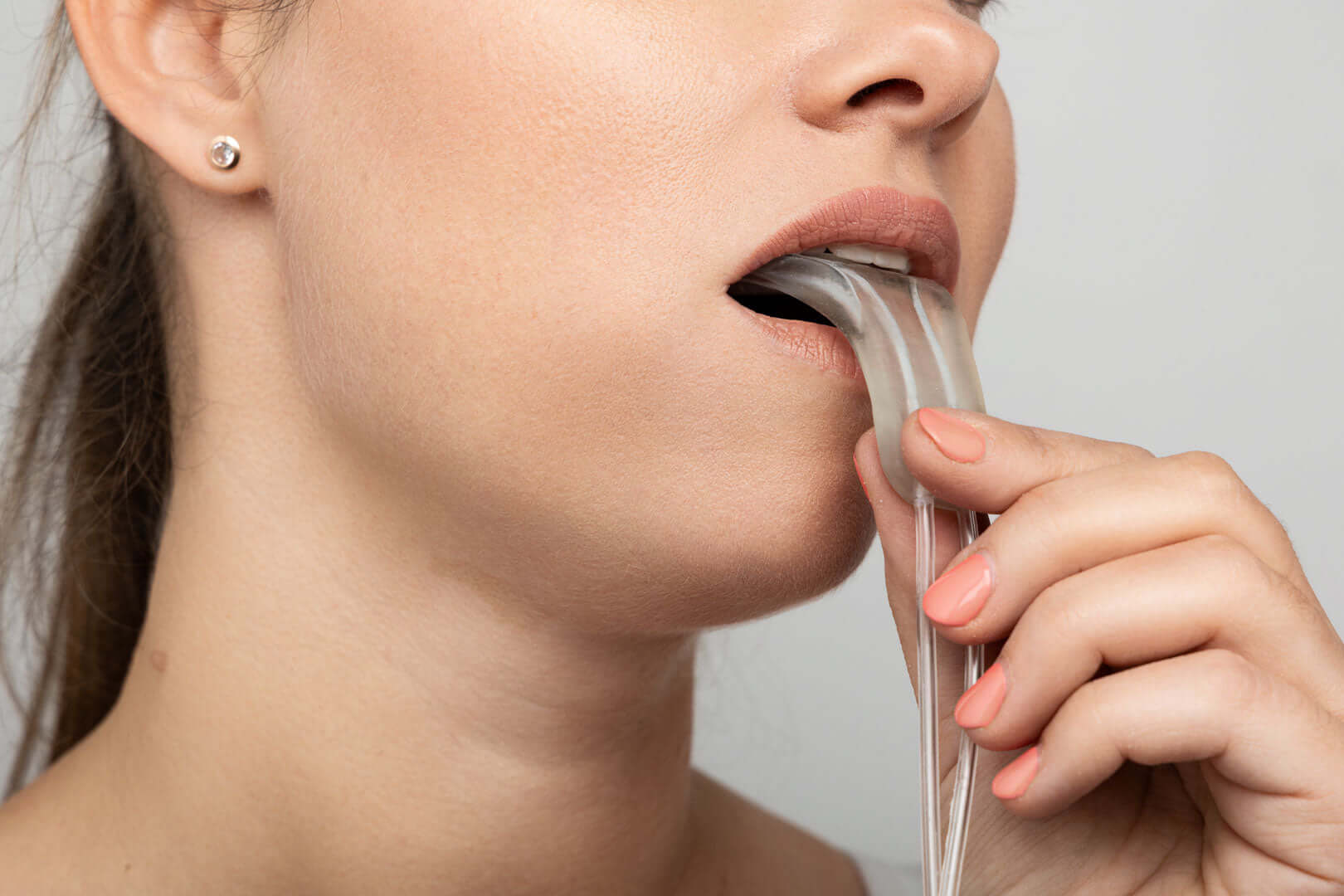
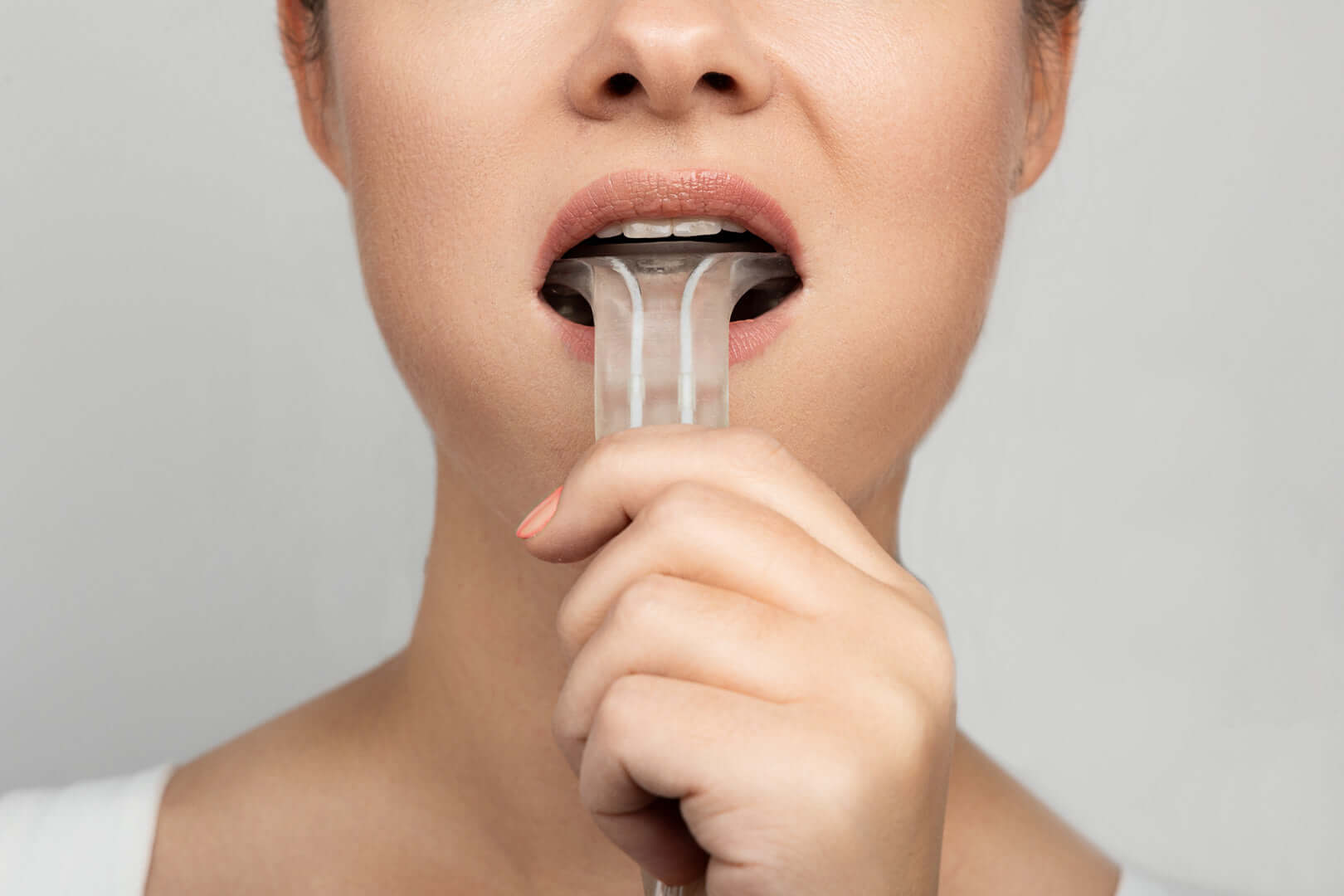
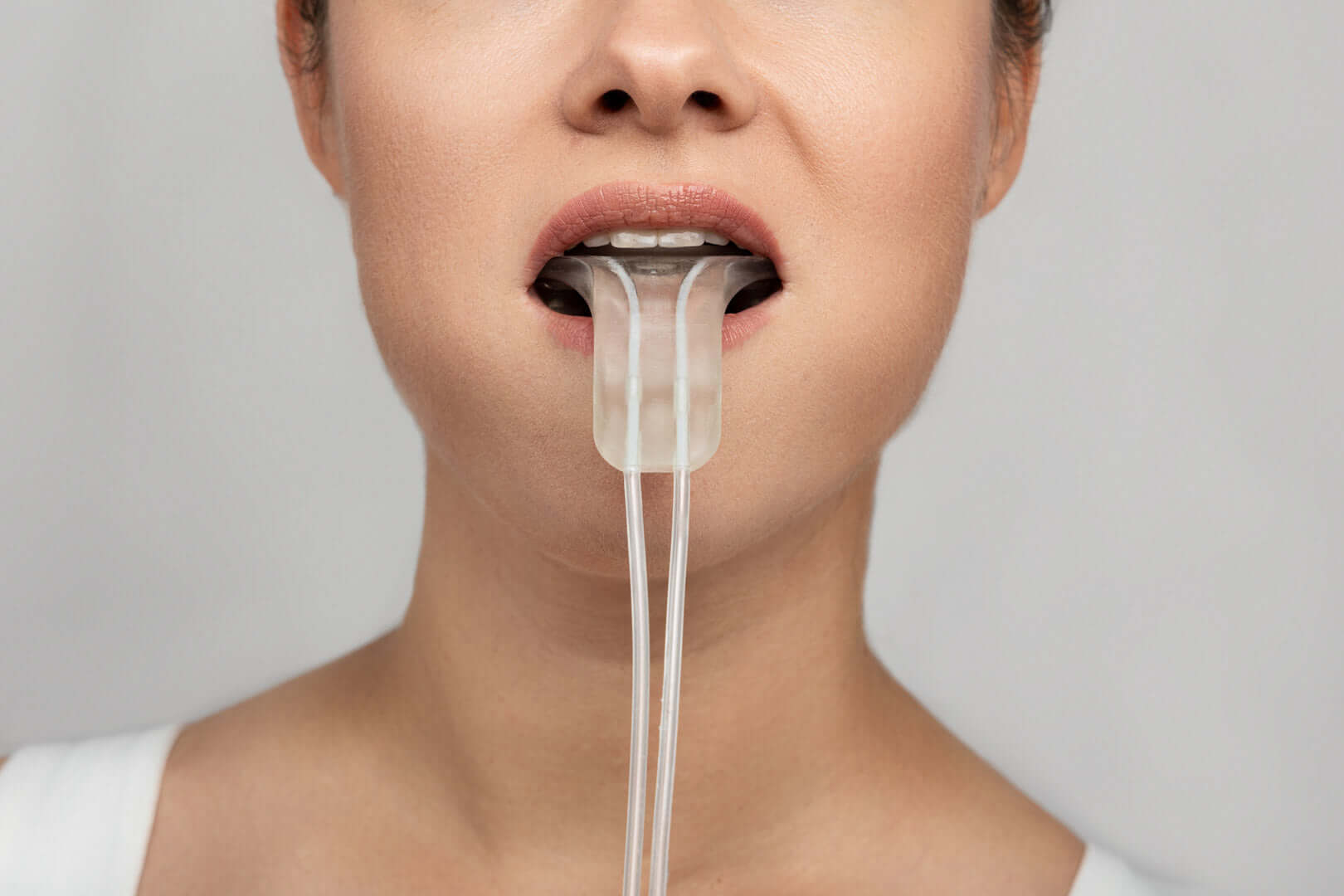
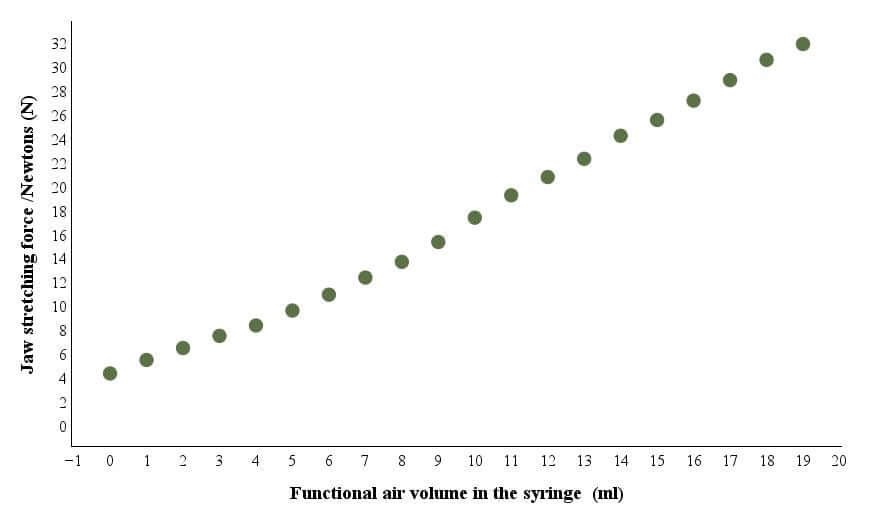
- Withdrawing 20 ml of air from the device (using a syringe) allows insertion when the mouth opening is limited to approximately 20 mm.
- Inflating with up to 19 ml of air enables the user to achieve a maximum mouth opening of approximately 36 mm.
(When used according to the recommended air volume , the device maintains effectiveness for more than 3K exercise cycles. Approximate measurements — actual results may vary with individual anatomy and clinical progress.)
General Safety and Customization
Core Safety Principles
Pain-free rule
All exercises must remain within a comfortable, non-painful range. Mild stretching sensation is acceptable; pain is not.
Post-exercise response monitoring
No persistent pain, swelling, or stiffness should last beyond approximately 6 hours post-exercise.
If symptoms persist, reduce intensity, frequency, or discontinue use and reassess.
Movement quality
Prioritize slow, controlled, and symmetrical mandibular movement.
Avoid:
- Sudden or ballistic movements
- Clenching or excessive force
- Asymmetrical loading patterns
Postural and Environmental Control
Posture
- Maintain upright, neutral head and cervical alignment
- Shoulders relaxed; avoid forward head posture
- No compensatory movements
Environment
- Perform exercises in a low-stimulation, calm setting
- Encourage relaxed breathing patterns
Minimize external factors that increase muscle tone (stress, distraction)
Progression and Load Management
- Progression must follow clinical reasoning and patient tolerance
- Increase:
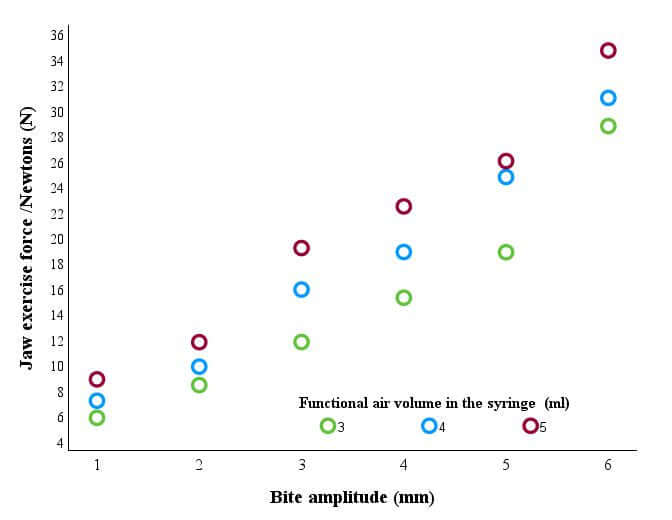
Air volume (resistance)
Range of motion (opening amplitude)
Exercise duration or repetitions - only when pain-free adaptation is achieved
Transition from: mobility → controlled stability → functional strengthening
- Progression should be guided or supervised by a trained professional, especially in moderate to complex cases
⚠️ Contraindications and Precautions
Use only with clinical clearance in the following conditions
1. Acute or Active Conditions
- Acute inflammation of the TMJ
- Active locking episodes or acute trismus
- Active infection in the oral cavity or jaw (e.g., osteomyelitis, inflammatory joint conditions)
Post-Trauma or Post-Surgical Status
- Recent trauma to the mandible, maxilla, or TMJ
- Early post-operative phase without clinician clearance (e.g., orthognathic surgery, implant placement)
- Fixed or immobilized jaw (wired fixation)
- Recent dental implant procedures (resume only after healing and approval)
Systemic, Structural, or Neurological Conditions
- Malignancy in the orofacial or cervical region
- Severe osteoporosis or craniofacial bone fragility
- TMJ ankylosis (true bony fusion)
- Uncontrolled pain syndromes
- Neurological impairment affecting jaw control or sensation (e.g., trigeminal nerve dysfunction, motor control disorders)
Clinical Note
TMD Physio Care™ is intended for functional rehabilitation of the stomatognathic system.
Its use must be individualized based on diagnosis, functional limitation, and patient response, and integrated into a comprehensive rehabilitation plan where indicated.

Maintenance and Cleaning
Proper maintenance and cleaning are essential to ensure safe, hygienic, and long-term use of the Jaw Device.
Cleaning After Each Use
- Release any remaining air from the functional element(s) via the syringe port.
- Rinse the device thoroughly under lukewarm running water to remove saliva.
- Clean the exerciser with liquid soap and a soft cloth or brush, as needed.
- Rinse again with clean water to remove any detergent residues.
Disinfection
- Wipe clean with a damp cloth or disinfectant wipe after each session.
- Allow the device to air-dry completely before storage or reuse.
- Do not autoclave or expose the device to high temperatures, as this may damage the material.
Inspection and Maintenance
- Inspect the device before each use for cracks, leaks, or deformation.
- Check the air valve and tubing for secure sealing and smooth operation.
- Replace the exerciser if you notice any signs of wear, air leaks, or tearing of the material.
Storage
· Store the Jaw Device clean and dry in a pouch sleeve and carrying case made of food-grade material.
The Jaw Device is made of biocompatible resin, which is designed for long-term skin contact (more than 30 days) and short-term mucosal contact (up to 24 hours), ensuring safety and great feel. The medical-grade resin, manufactured in an FDA registered, ISO 13485 certified factory and CE marked according to the EU MDR, meets the highest standards of quality and reliability.