
Isences®
TMD
Physio
Care™
–
Medium-Resistance
Jaw
Mobility
&
Exercise
Device
for
Home
Use
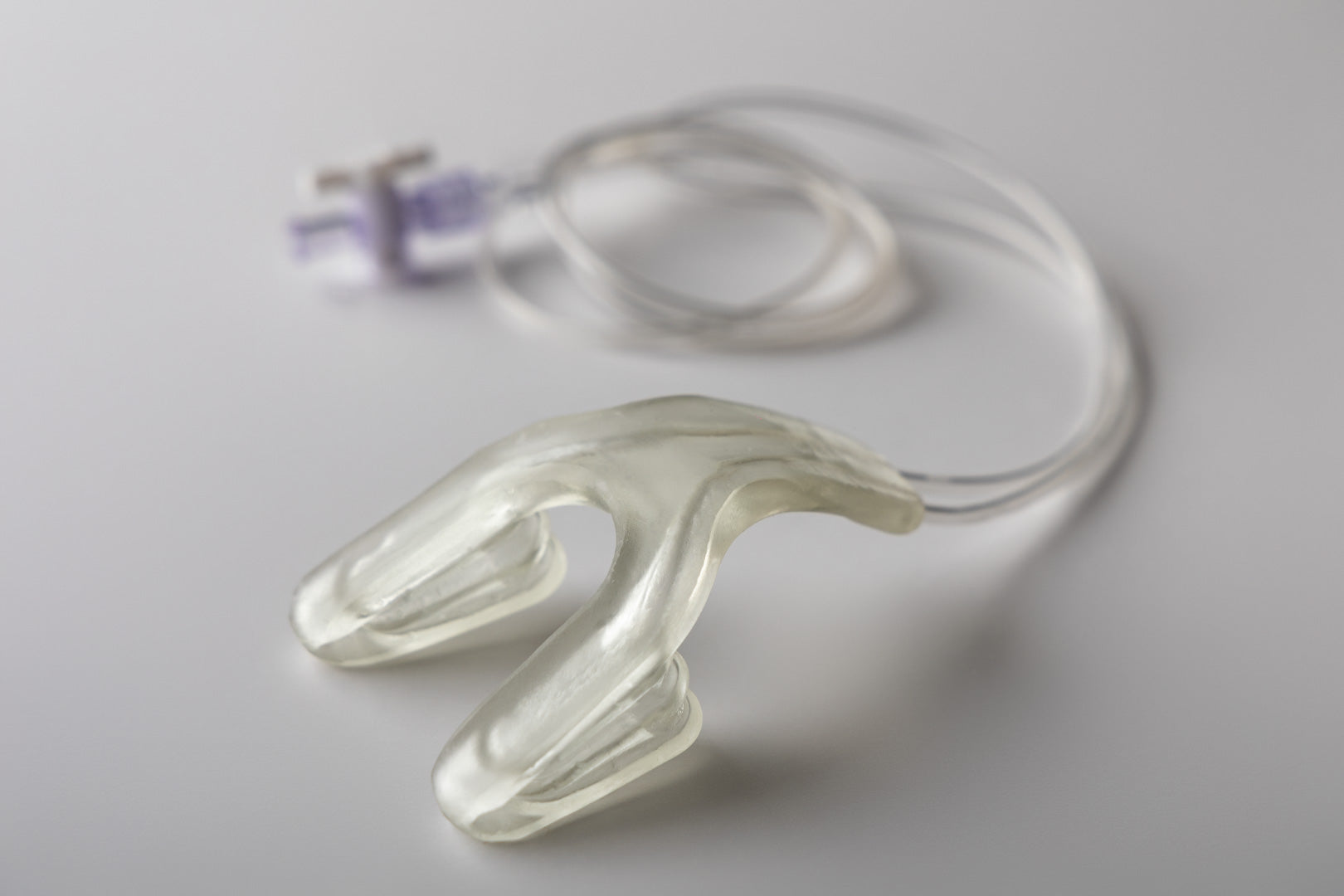
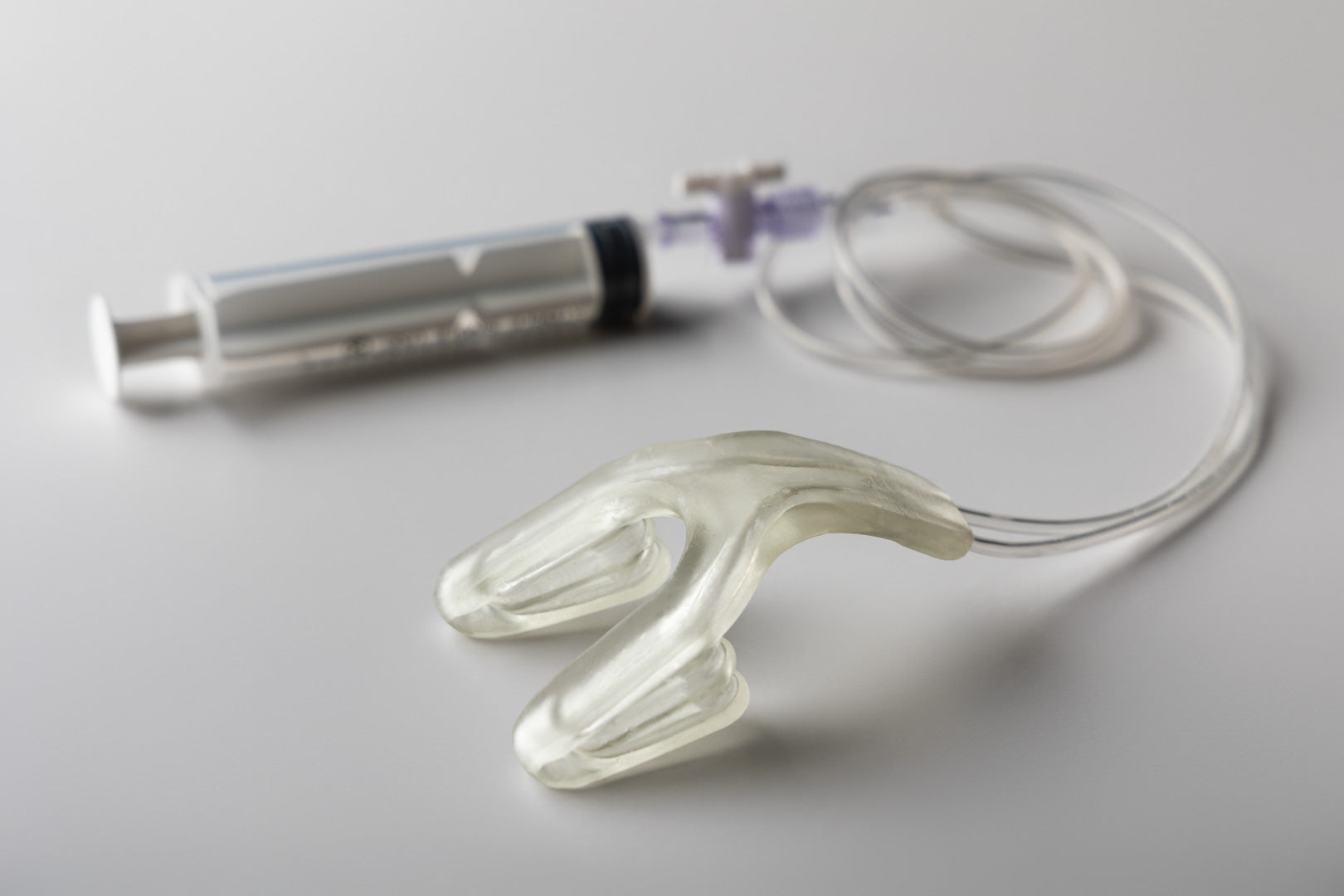
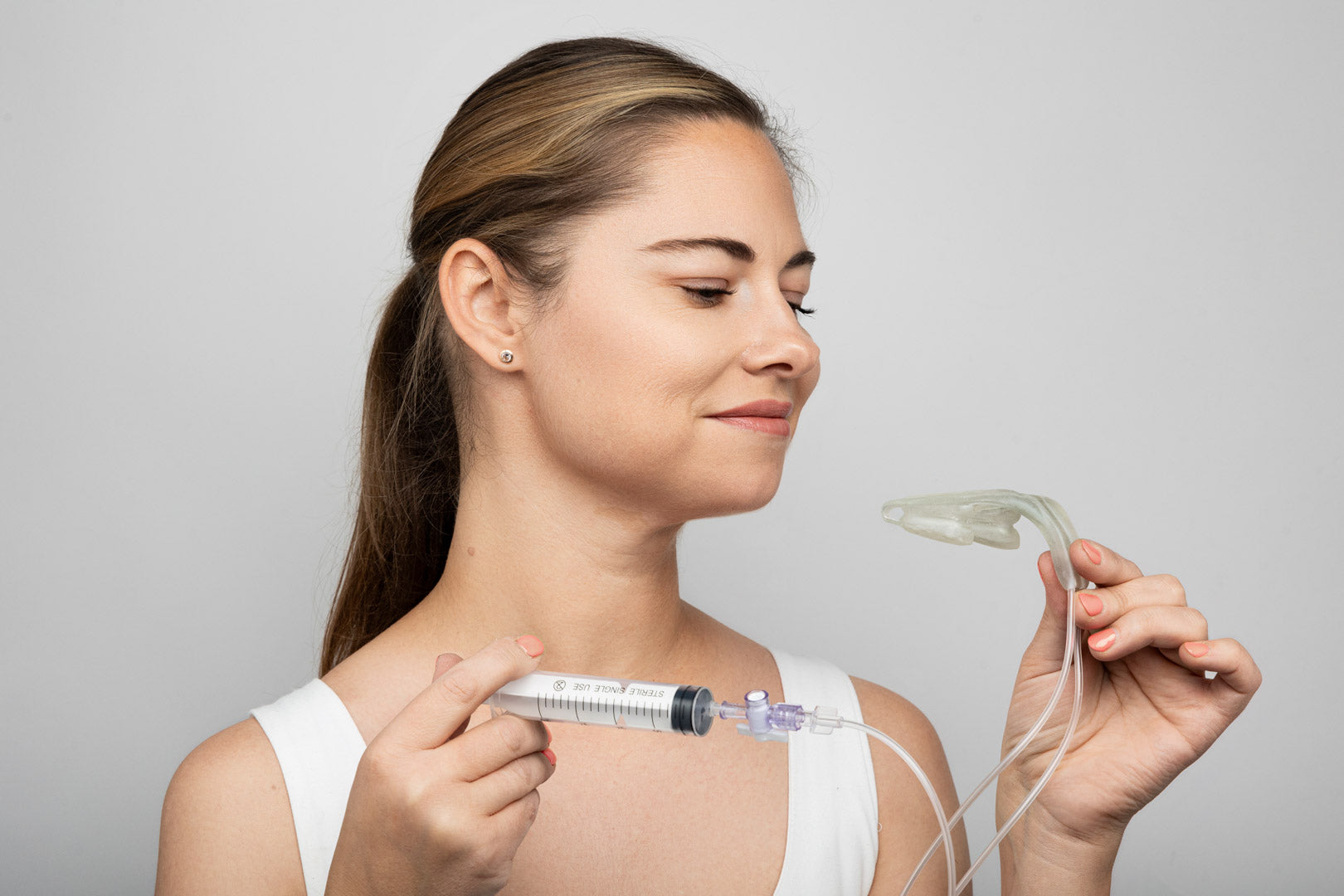
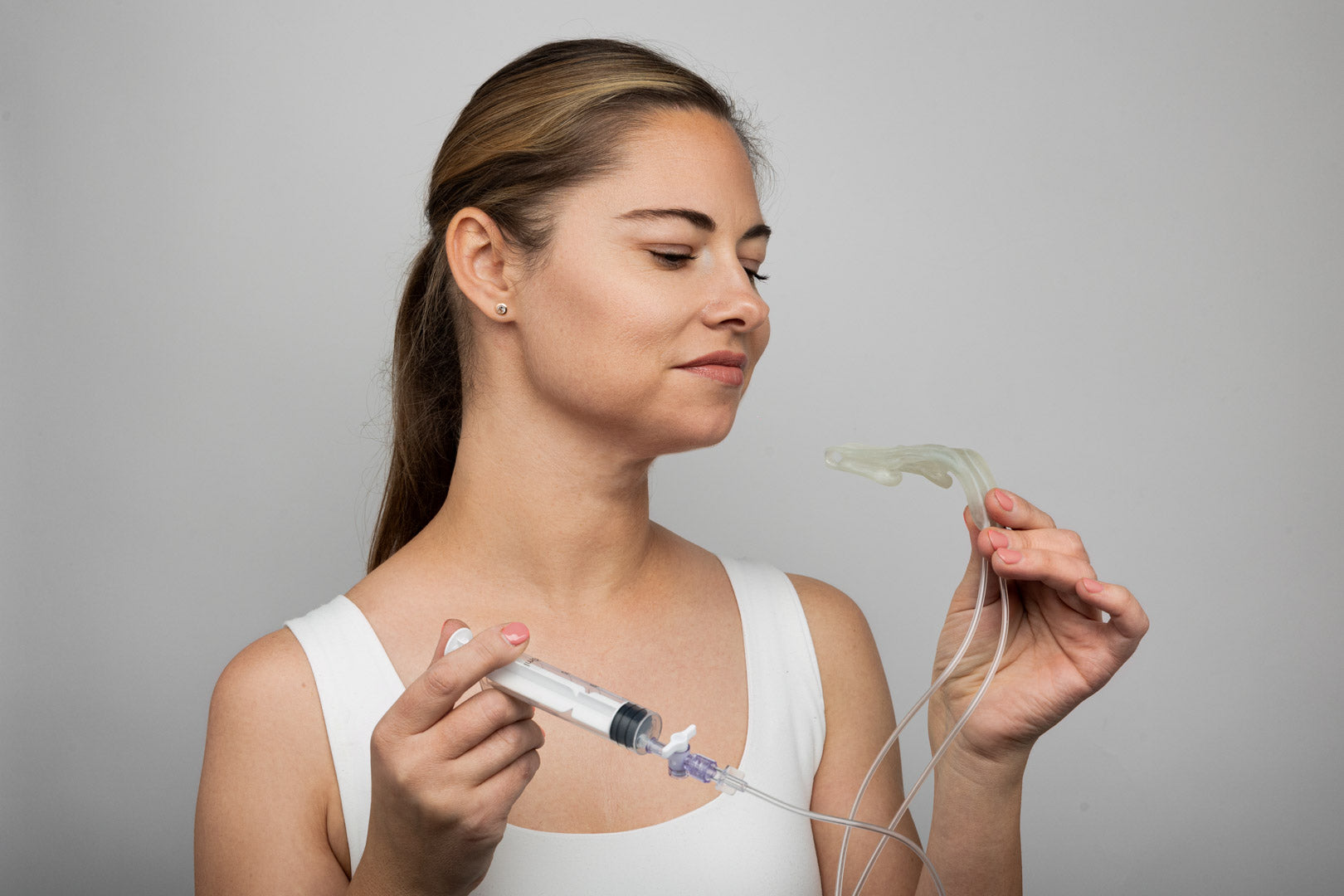
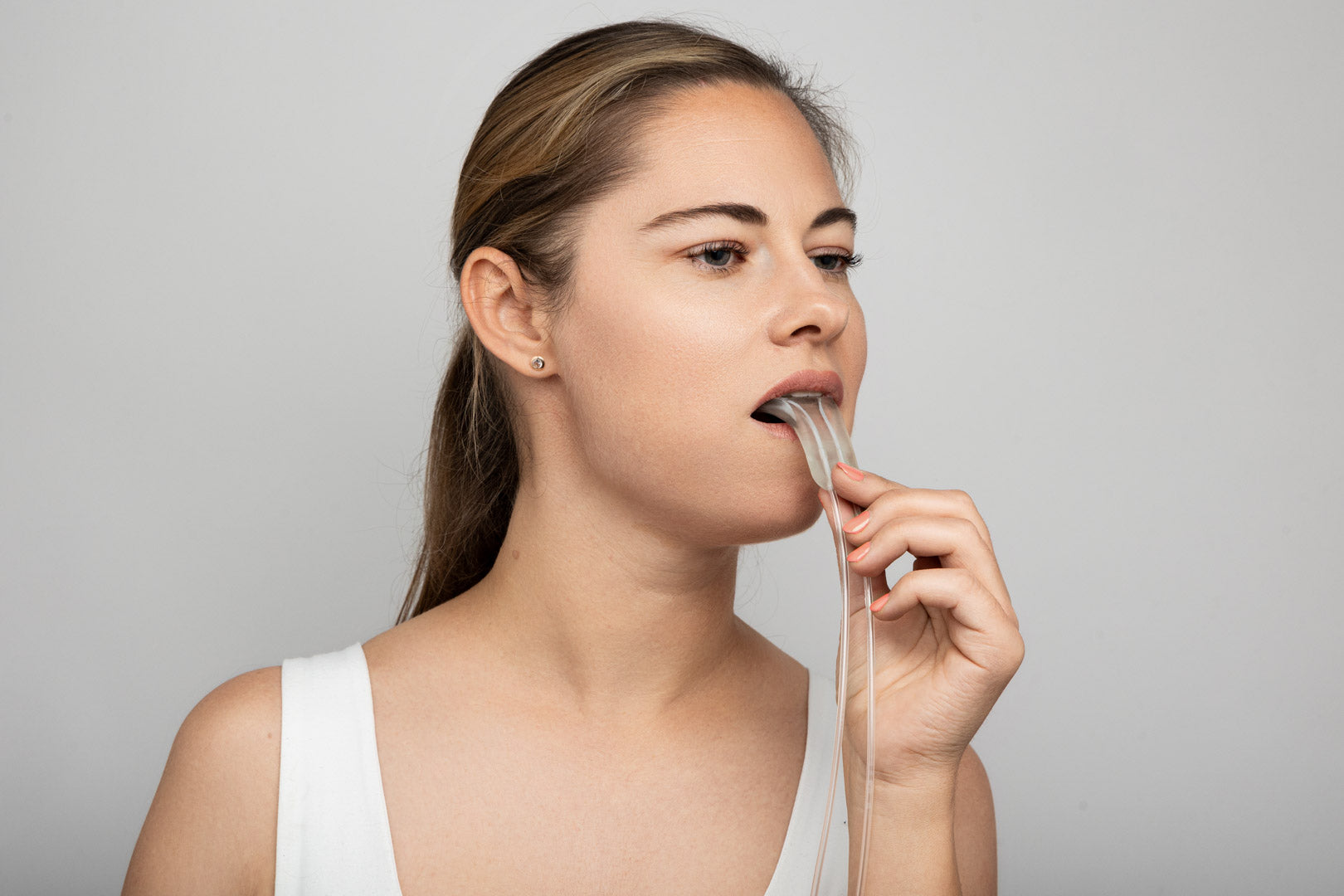
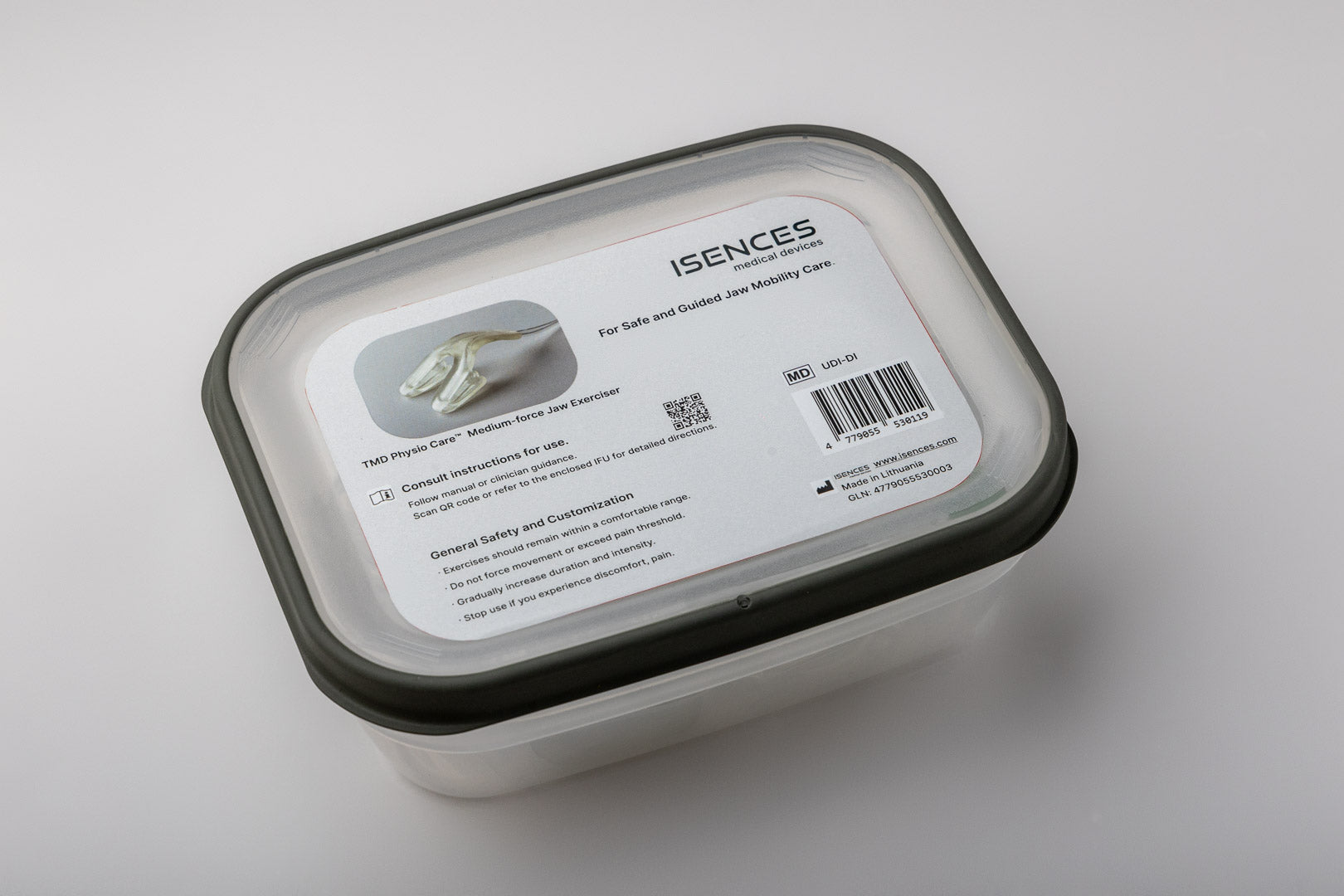
The Isences® TMD Physio Care™ Medium-Resistance device is designed to support guided jaw exercise, functional mobility training, and comfortable daily jaw movement at home.
Providing controlled medium resistance, the device supports progressive jaw exercise routines focused on mobility, movement consistency, flexibility, and functional jaw conditioning. It is suitable for individuals transitioning from gentle mobility exercises or seeking to maintain regular jaw exercise and movement support over time.
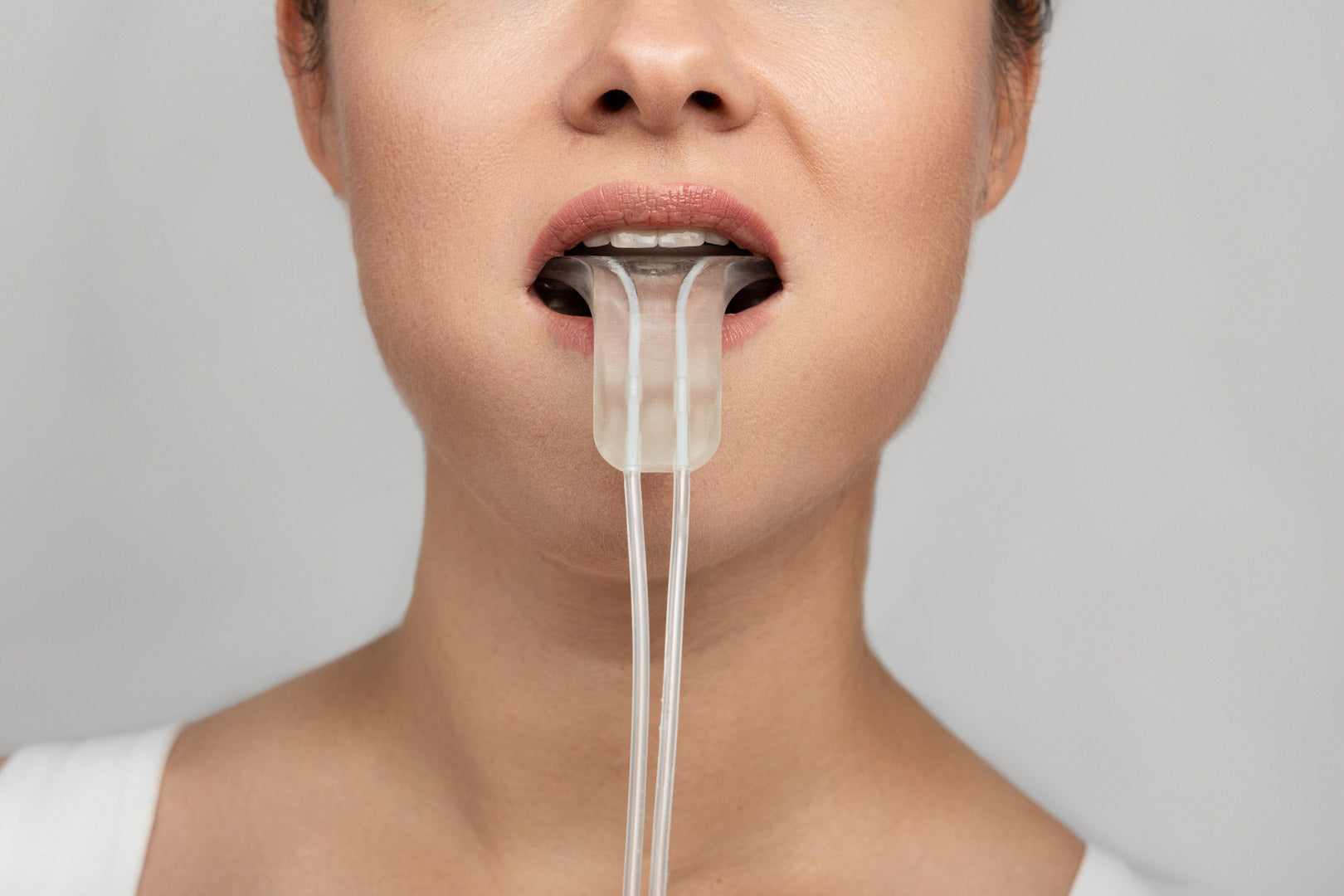
The ergonomic inflatable design enables controlled mandibular movement and adjustable exercise intensity for comfortable, repeatable home use. The device may support daily jaw exercise routines associated with jaw tightness, reduced mobility, limited mouth opening, and muscle tension related to clenching or grinding habits.
Designed for individual home use, the device can be incorporated into structured jaw exercise routines or therapist-guided mobility programs focused on restoring comfortable jaw movement and functional exercise performance.
A practical, non-invasive jaw exercise device developed to support progressive mobility training, jaw movement control, and consistent home-based exercise routines.
GTIN
You may also like:

Isences® TMD Physio Care™ – Medium-Resistance Jaw Mobility & Exercise Device for Home Use
Description
&
Benefits
Medium resistance jaw device benefits
- Helps improve jaw mobility, flexibility, and comfortable mouth opening
- Supports controlled stretching and strengthening exercises for daily jaw function
- May help reduce jaw tension, stiffness, and muscle overactivity
- Helps improve chewing comfort, bite control, and jaw stability
- Helps support muscle coordination and endurance during speaking and chewing
- May help relieve tiredness or tension in the cheeks, temples, and jaw muscles
- Supports personalized rehabilitation according to comfort and mobility level
- Portable and easy to use as part of a structured home rehabilitation routine
Gentle Stretching & Mobility training
Supports gentle jaw stretching and comfortable mobility exercises to help improve mouth opening, reduce stiffness, and encourage smoother jaw movement during daily activities.
Step-by-Step
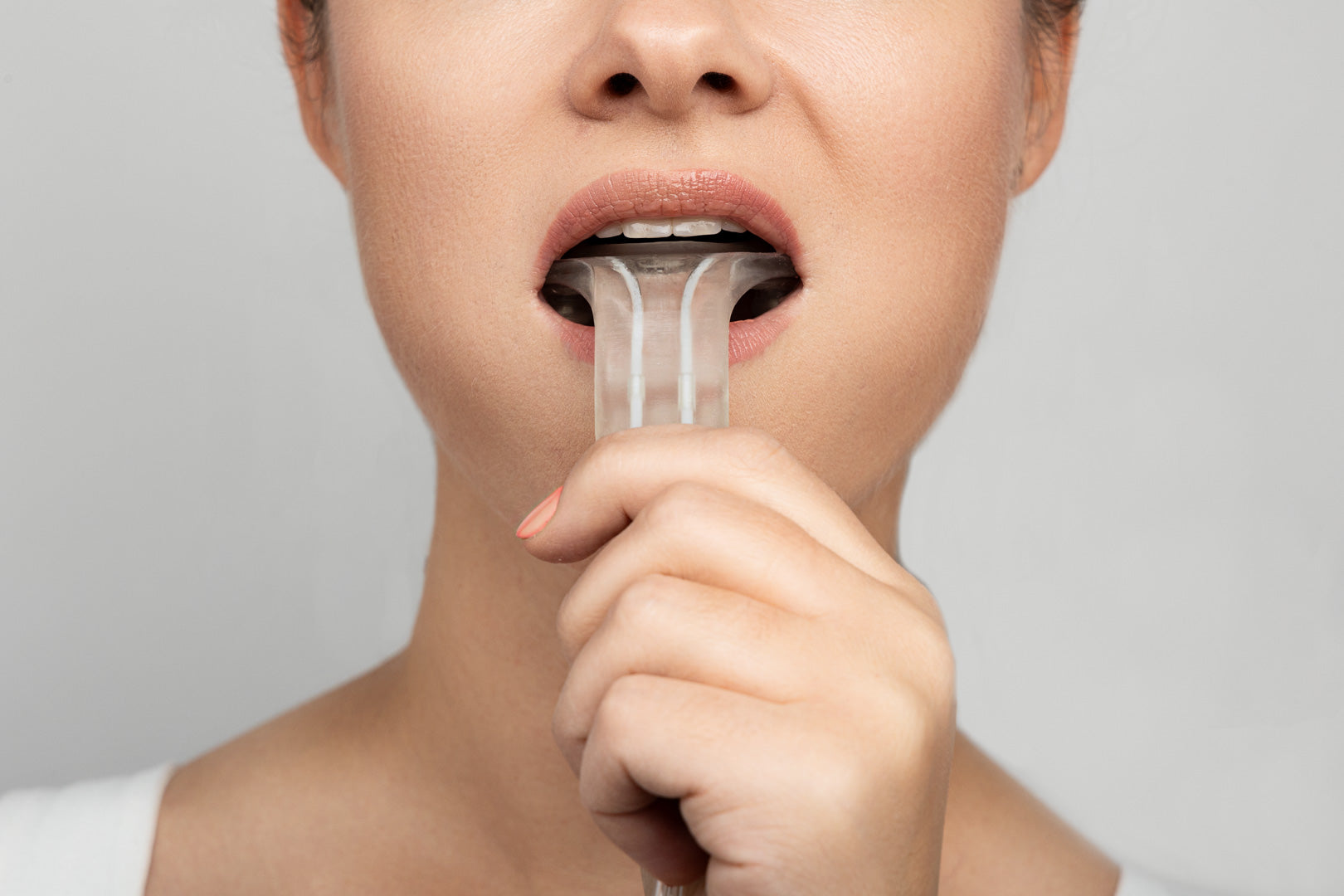
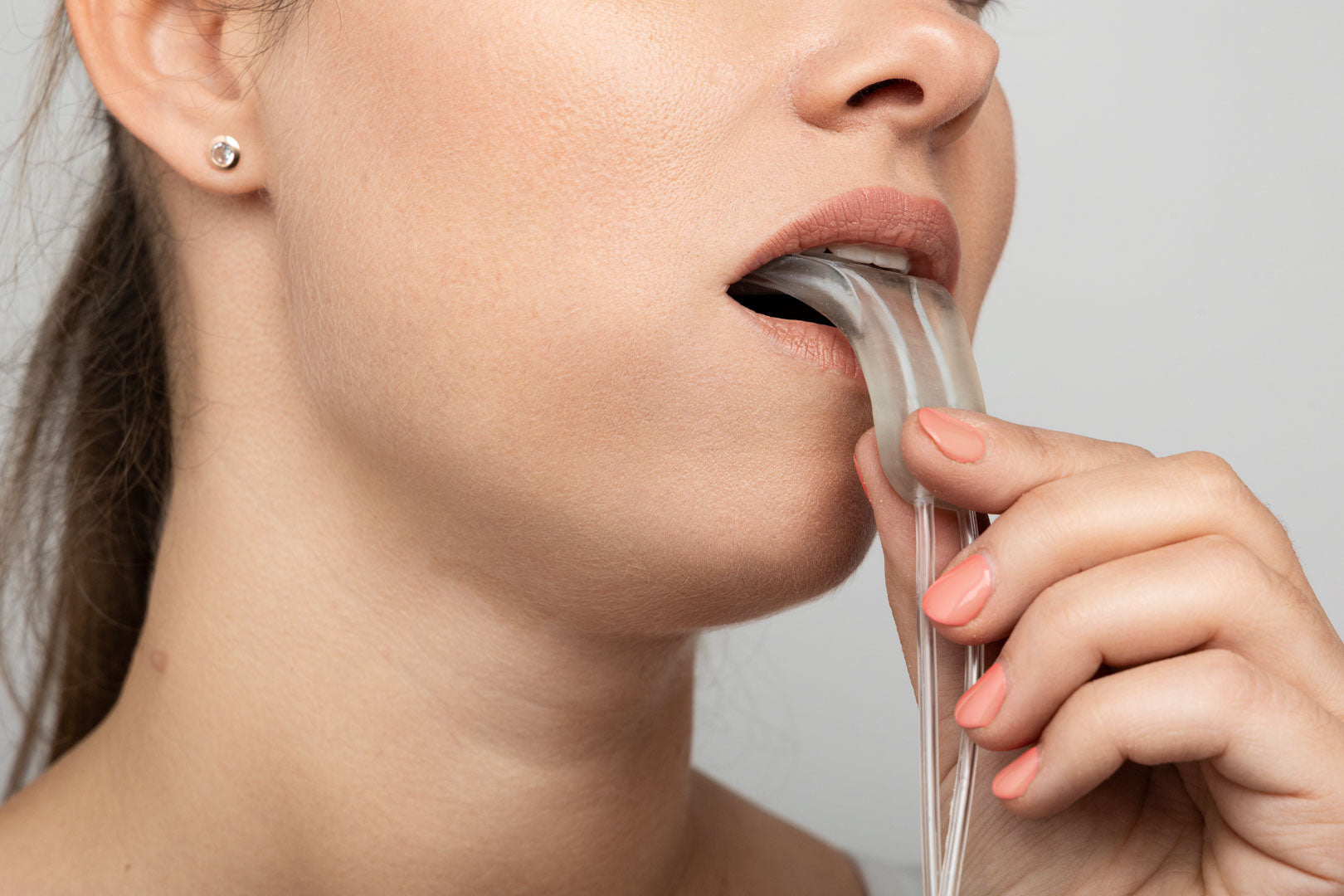
Position the device
Place it gently between your back teeth (molars)
Adjust if needed
Remove some air if your jaw opening is limited
Allow natural expansion
Let the device adapt to your current range
Gradual inflation
Add air slowly every 3–5 seconds (max 17 ml)
Reach a gentle stretch
Stop when you feel a light stretch (never pain)
Hold the stretch
Close the valve and hold for 10–15 seconds
Controlled release
Slowly release air before removing the device
Recommended Use
- Repetitions: 3–5 per session
- Frequency: 3–5 sessions daily
- Intensity: Mild (~3/10 effort)
Progression:
Increase hold time to 15–20 seconds after 1–2 weeks if comfortable
Safety Guidelines
- Keep all movements gentle and pain-free
- Avoid over extension or force
- Reduce intensity if soreness occurs
Controlled strengthening
Provides low-intensity resistance designed for gradual jaw muscle activation and controlled strengthening without excessive strain on the temporomandibular joint (TMJ).
Step-by-Step Use
Set air volume
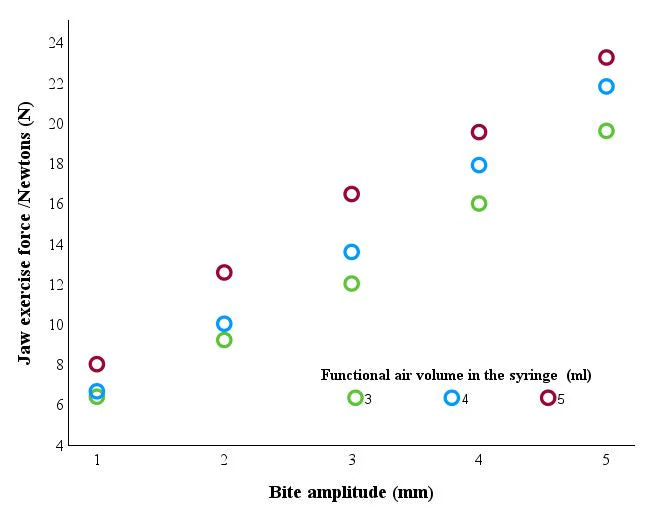
Inflate the device to approximately 3–5 ml
Secure pressure
Close the valve to maintain internal pressure
Apply controlled movement
Gently bite with small movement (~3–5 mm)
Hold contraction
Maintain for 5 seconds
Release gradually
Relax slowly without sudden movement
Recommended Use
- Repetitions: 5–10 per session
- Frequency: 1–2 sessions daily
- Intensity: Light (~20–30% effort)
Balancing flexibility
Helps support balanced jaw flexibility and coordinated movement patterns, promoting more natural opening, closing, and side-to-side jaw function.
How to Use
Follow this sequence during each session:
Start with gentle stretching (mobility)
Helps improve jaw opening and reduce stiffness
Then add light strengthening
Supports control within your current movement range
Example Session
- Gentle stretch: 3 repetitions
(hold 5–7 seconds each) - Light strengthening : 5 repetitions
(hold 5 seconds each)
Key Tips
- Keep movements gentle and controlled. Stay within a pain-free rang
- Focus on smooth, balanced motion
Flexible & Adjustable comfort
Inflatable functional elements allow users to gradually adjust stretching intensity and exercise comfort according to their individual tolerance and mobility level.
Everyday home rehabilitation
Portable and easy to use at home as part of a regular self-care and jaw mobility routine focused on flexibility, relaxation, and controlled functional exercise.
General safety
Follow These Core Principles
Keep movements pain-free
Only exercise within a comfortable range.
→ If you feel pain, stop immediately
Monitor your response
After each session:
- A mild, short-lasting sensation is normal
- Pain, swelling, or stiffness should not persist
→ If symptoms last more than a few minutes, reduce intensity or stop use
Maintain proper posture
- Sit upright in a relaxed position
- Keep your head in a neutral alignment
- Avoid leaning forward or clenching
Choose a calm environment
- Perform exercises in a quiet, relaxed setting
- Minimize distractions that may increase tension
Progress gradually
- Increase resistance or jaw opening step by step
- Do not rush progression
→ For best results, consider guidance from a healthcare professional
⚠️ Medical Conditions & Recovery
Do not use the device without professional approval if you have:
- Recent jaw, facial, or dental surgery (including implants)
- Active healing restrictions (e.g., wired or immobilized jaw)
- Serious structural conditions (e.g., severe bone fragility, joint fusion)
- Unexplained or neurological symptoms (e.g., persistent pain, numbness, loss of control)
❗ Important
If you are unsure whether this device is appropriate for you, consult a qualified healthcare professional before use.
Maintenance & Cleaning
Proper care helps keep your device safe, hygienic, and effective for long-term use.
After Each Use
Release air - remove all remaining air using the syringe port
Rinse thoroughly - clean under lukewarm running water to remove saliva
Clean if needed - use mild liquid soap with a soft cloth or brush
Rinse again - ensure all soap residue is fully removed
Disinfection
- Wipe with a clean damp cloth or disinfectant wipe
- Allow the device to air-dry completely before storing
Storage
Store only when clean and fully dry
Keep in a protective pouch or case
Avoid moisture, heat, and direct sunlight
Frequently
Asked
Questions
What conditions can Isences® TMD Physio Care help support?
Isences® TMD Physio Care is designed to support common jaw-related concerns, including:
- Jaw pain or discomfort
- Morning jaw soreness (often linked to teeth grinding)
- Evening tension or fatigue (often linked to stress or clenching)
- Limited jaw opening or stiffness
- Muscle tightness in the jaw (chewing muscles)
These symptoms are often related to muscle overuse or imbalance, especially in the masseter and temporalis muscles.
The device helps support improved mobility, reduced tension, and more coordinated jaw movement.
Not sure If this Is right for you?
⚠️ Start with Safety
Before you begin, check:
- Do you feel strong pain even when your jaw is at rest?
- Is your jaw locked or unable to open normally?
- Do you have swelling, infection, or recent injury/surgery?
If YES to any:
🚫 Do not start exercises yet — consult
a healthcare professional
If NO:
✅ You can continue below
How does your jaw feel when you move it?
- Mild to moderate discomfort (0–6/10)? → ✅ Suitable
- Severe pain (7+/10) or sharp pain? → ⚠️ Use caution or seek advice
Do you feel stiffness or limited movement?
- Feels tight, stiff, or hard to open → ✅ Good candidate
- Movement feels normal → ⚠️ Focus on control rather than stretching
Do you clench or grind your teeth?
- Yes (day or night) → ✅ May benefit from tension relief
- Not sure → ⚠️ Still possible if you feel tension or fatigue
Can you open your mouth comfortably?
- Feels restricted or uncomfortable → ✅ Exercises may help
- Opens fully but feels uneven or uncoordinated → ⚠️ Focus on control
Do you notice clicking or popping?
- Yes, without pain → ✅ Exercises may improve with better control
- Yes, with pain or locking → ⚠️ Use caution or seek advice
Does your jaw feel tired or tense?
- Yes, feels tight, tired, or sore → ✅ Strong candidate
- No → Exercises may not be necessary
✅ Your Result
🟢 You May Benefit from Jaw Support Exercises
If you noticed:
- Stiffness or limited movement
- Muscle tension or clenching
- Mild to moderate discomfort
You can begin with gentle stretching exercisers and controlled daily use of a jaw support device
Is it the right time to use strengthening exercises?
Is your pain under control?
- Mild or manageable discomfort (0–4/10) → ✅ Suitable
- Sharp, severe, or constant pain → 🚫 Not ready
Can you move your jaw comfortably?
- Movement feels mostly comfortable → ✅ Good candidate
- Movement is painful or limited → ⚠️ Start with gentle stretching first
- Mild or manageable discomfort (0–4/10)? → ✅ Suitable
- Sharp, severe, or constant pain? → 🚫 Not ready
Strengthening should never be done in a high-pain state.
Can I move my jaw without sharp pain?
- Yes, movement feels mostly comfortable → ✅ Good candidate
- No, movement is painful or limited → ⚠️ Start with gentle stretching first
Strengthening comes after mobility is comfortable.
Does your jaw feel unstable or uncoordinated?
- Yes (clicking, deviation, uneven movement) → ✅
Strong reason to start - No → strengthening may not be necessary yet
Does your jaw get tired during the day?
- Yes (talking, chewing, stress) → ✅ Good candidate
- No → optional
Do you clench or grind your teeth? (Bruxism)
- Yes → ✅ May help improve muscle control
- No → still useful if instability is present
Can you control your jaw movement smoothly?
Try opening slowly:
- Smooth and controlled → ✅ Ready
- Jerky, shaking, or deviating → ⚠️ Start with low-load control exercises only
How does your jaw respond to light resistance?
- Feels stable and controlled → ✅ Continue
- Causes pain, pressure, or discomfort → 🚫 Stop or reduce intensity
Rule: Strengthening should never cause pain
✅ Your Result
🟢 Ready for Controlled Strengthening
You are likely suitable if you have:
- Low pain levels
- Good or improving mobility
- Signs of weakness, fatigue, or poor control
You can begin:
- Light isometric exercises
- Submaximal resistance (20–30% effort)
- Slow, controlled movements
When should I start balancing flexibility & strength exercises?
Balancing exercises are most useful when your jaw needs both mobility and stability working together—not just stretching or strengthening alone.
Is your pain under control?
- Mild or manageable discomfort (0–4/10) → ✅ Suitable
- Sharp or persistent pain → 🚫 Not ready
Rule: Exercises should always remain comfortable and pain-free
Can your jaw move more freely now?
- Movement has improved compared to before → ✅ Good time to start
- Still very stiff or limited → ⚠️ Focus on gentle stretching first
Does your jaw feel both tight and unstable?
- Yes (tight + weak or uncoordinated) → ✅ Ideal stage
- Only tight → ⚠️ Prioritize mobility
- Only unstable → ⚠️ Focus on strengthening
Can you control your movement?
Try slow opening and closing:
- Mostly smooth, but not fully controlled → ✅ Ready
- Very uneven or difficult to control → ⚠️ Start with basic control exercises
Do symptoms change during the day?
- Morning stiffness + evening tension/fatigue → ✅ Strong candidate
- Symptoms stay constant → ⚠️ May need simpler approach first
How does your jaw respond to light combined exercis
- Feels more balanced or comfortable → ✅ Continue
- Feels worse or more strained → 🚫 Reduce intensity or step back
✅ Your Result
🟢 Ready for Balance Training (Mobility + Strength)
You are likely at the right stage if you have:
- Improved movement but not full control
- Some remaining stiffness and instability
You can begin combining:
- Gentle stretching (mobility)
- Light resistance exercises (stability)
Find Your Right Device
Quick Jaw Self-Assessment
Answer a few simple questions to find the best starting point for you.
Jaw Movement
When you open/close your jaw:
- Feels stiff, tight, or hard to open → Likely need mobility support
- Opens but feels uneven or unstable → Likely need control/stability
- Moves fairly well but not fully comfortable → Likely need balance
Daily Symptoms
- Morning stiffness / limited opening → Mobility issue
- Evening fatigue / tension → Stability issue
- Both → Mixed (balance stage)
How does your jaw feel overall?
- Tight / restricted → Mobility priority
- Weak / unstable / fatigued → Strength priority
- Both tight and unstable → Balance stage
✅ Your Result
🟢 Start with Low-Resistance Device if you have:
- Stiffness, tightness, or limited opening
- Mild pain or sensitivity
- Reduced control or early-stage symptoms
Best for: Mobility + gentle control training
Choose Medium-Resitance Device if you have:
- Good or improved mobility
- Low pain but instability, fatigue, or poor control
- Clicking without pain or uneven movement
Best for: Strengthening + stability training


