
Isences®
TMD
Physio
Care™
–
Low-Resistance
Jaw
Mobility
&
Exercise
Device
for
Home
and
Rehabilitation
Support
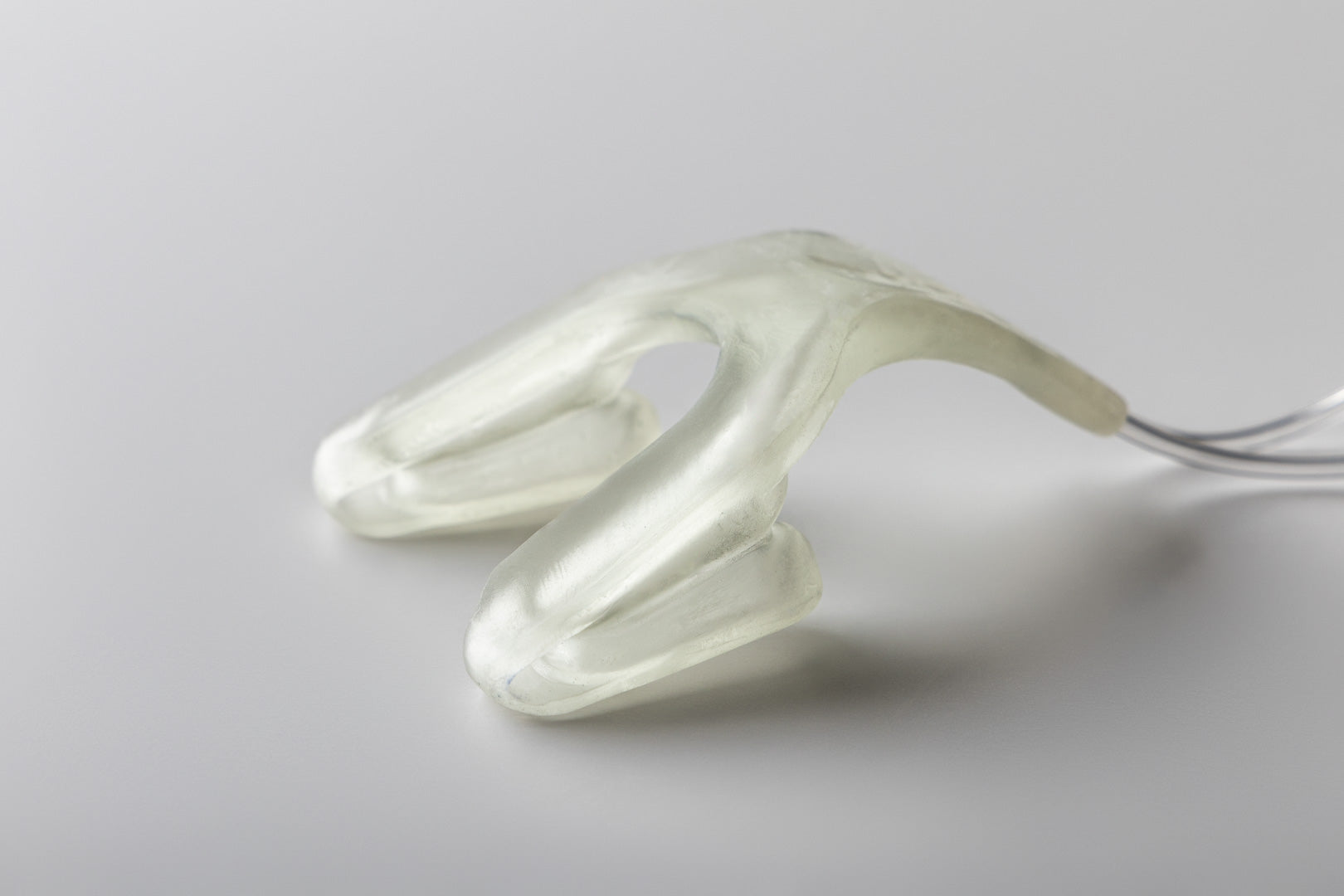
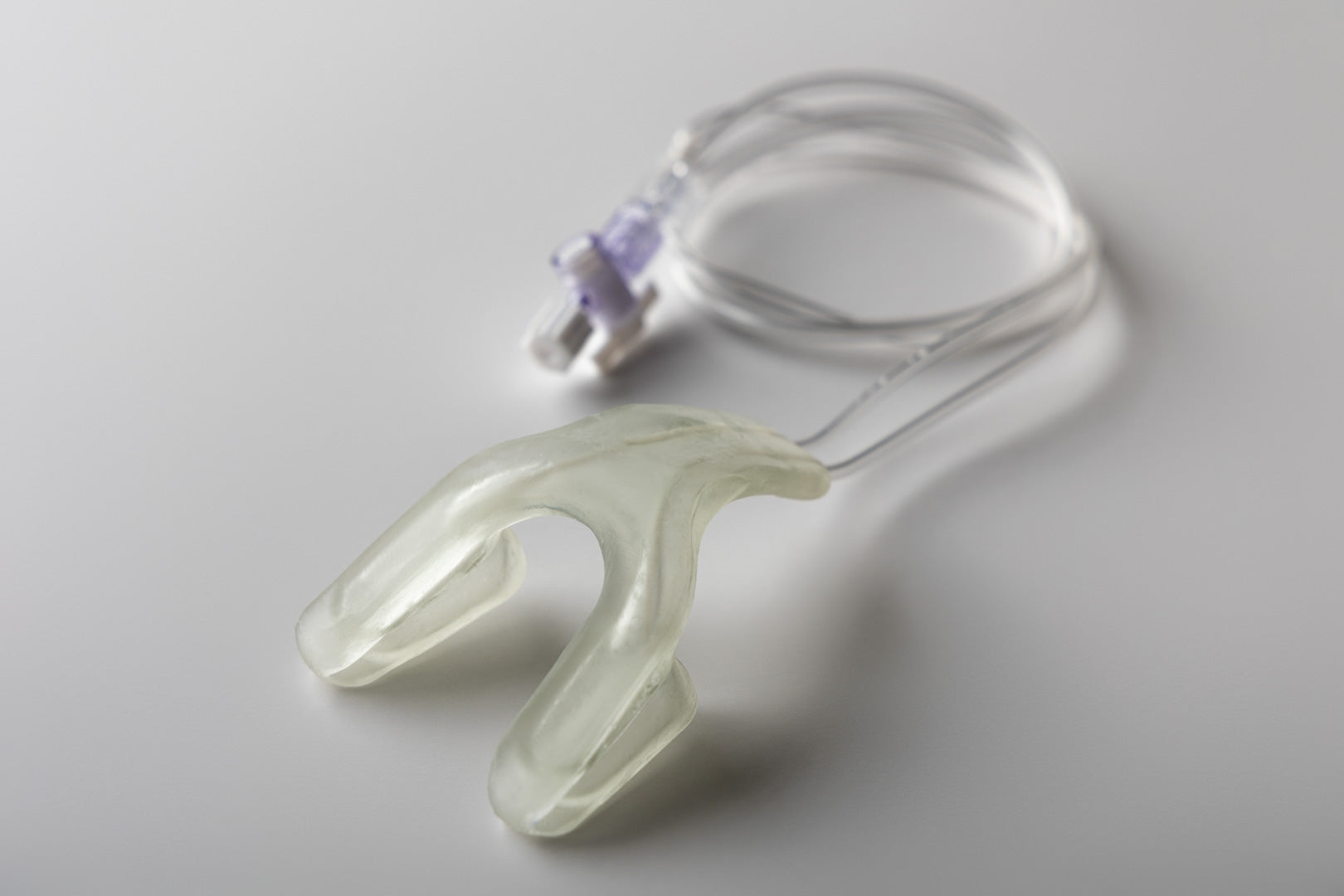
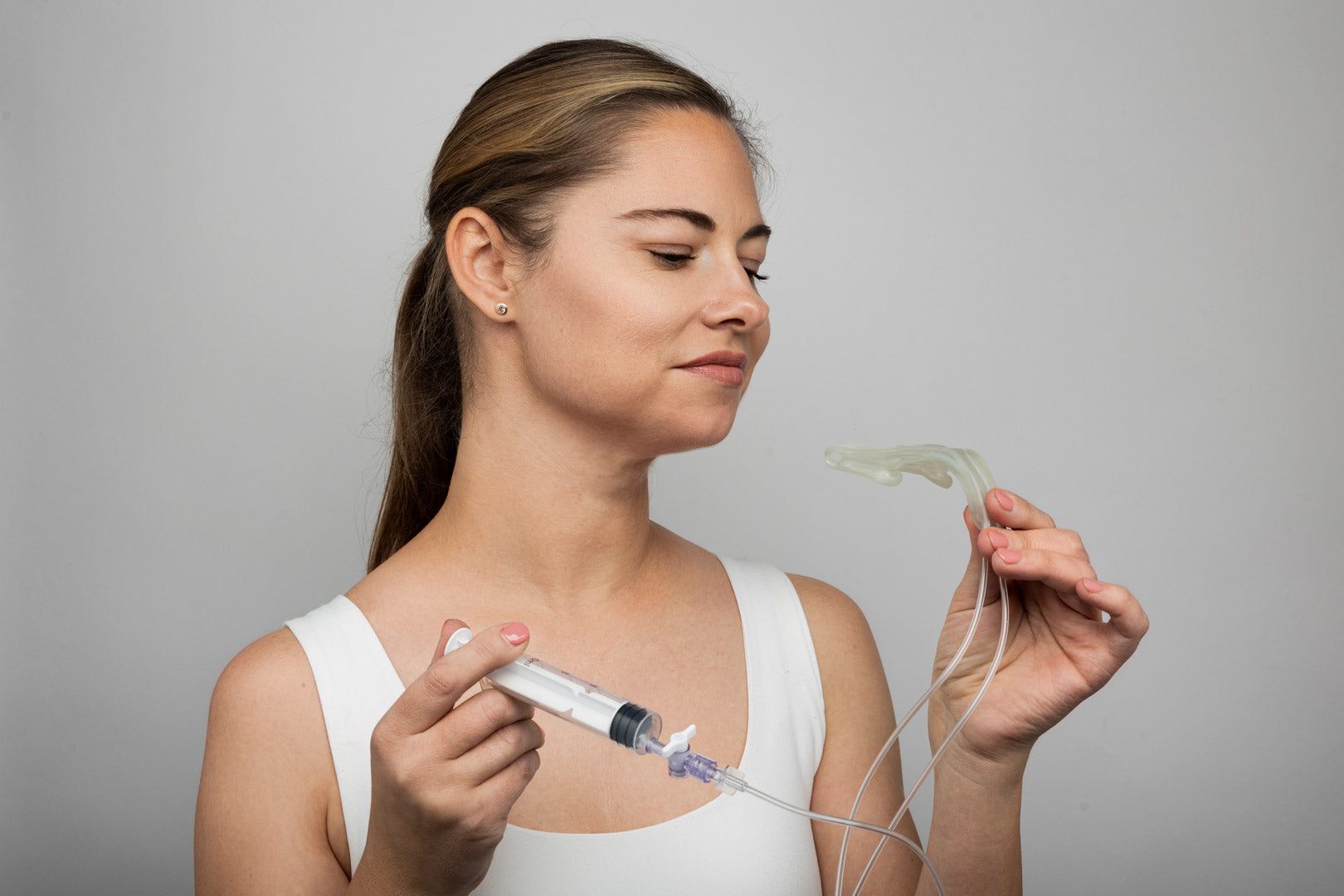
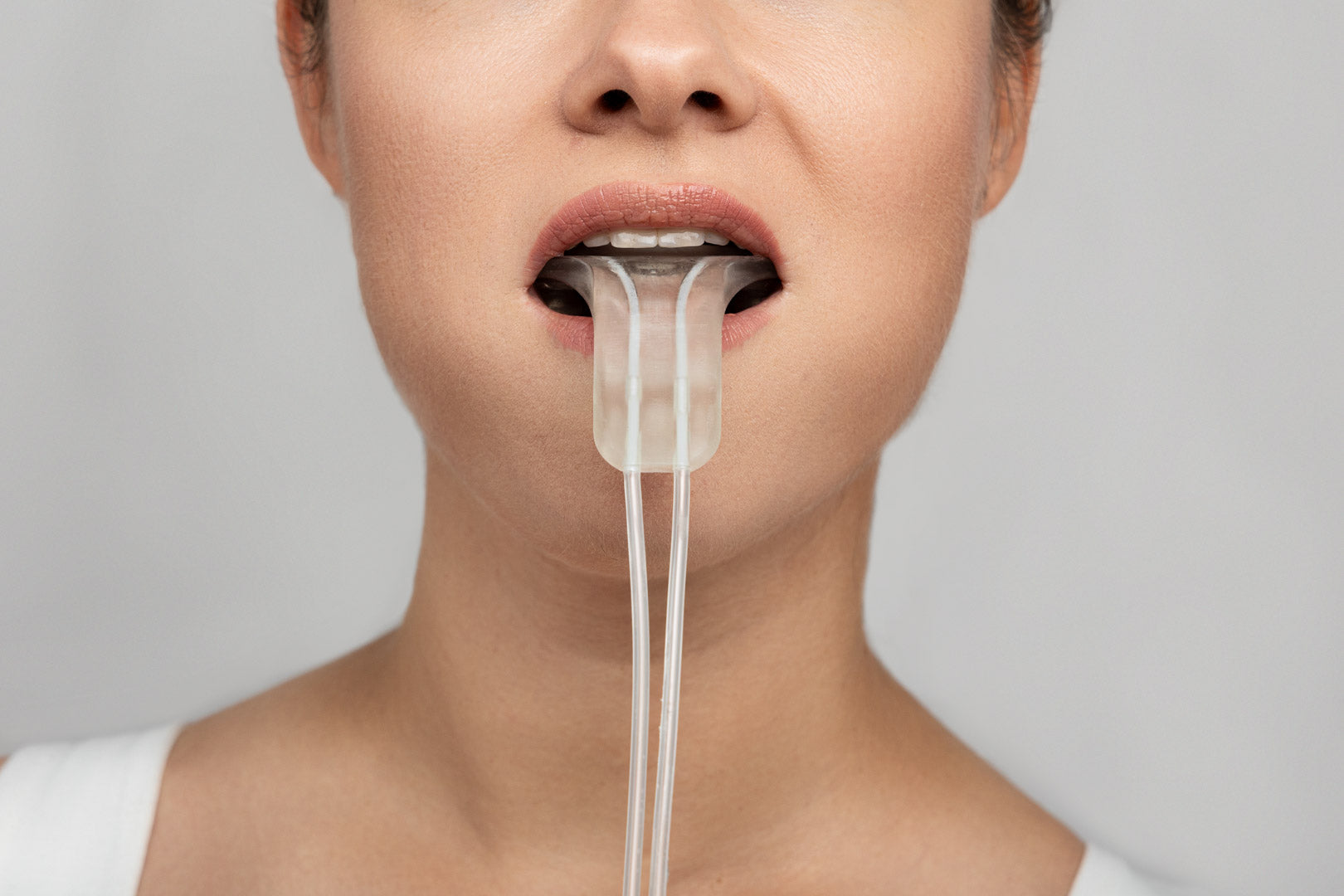
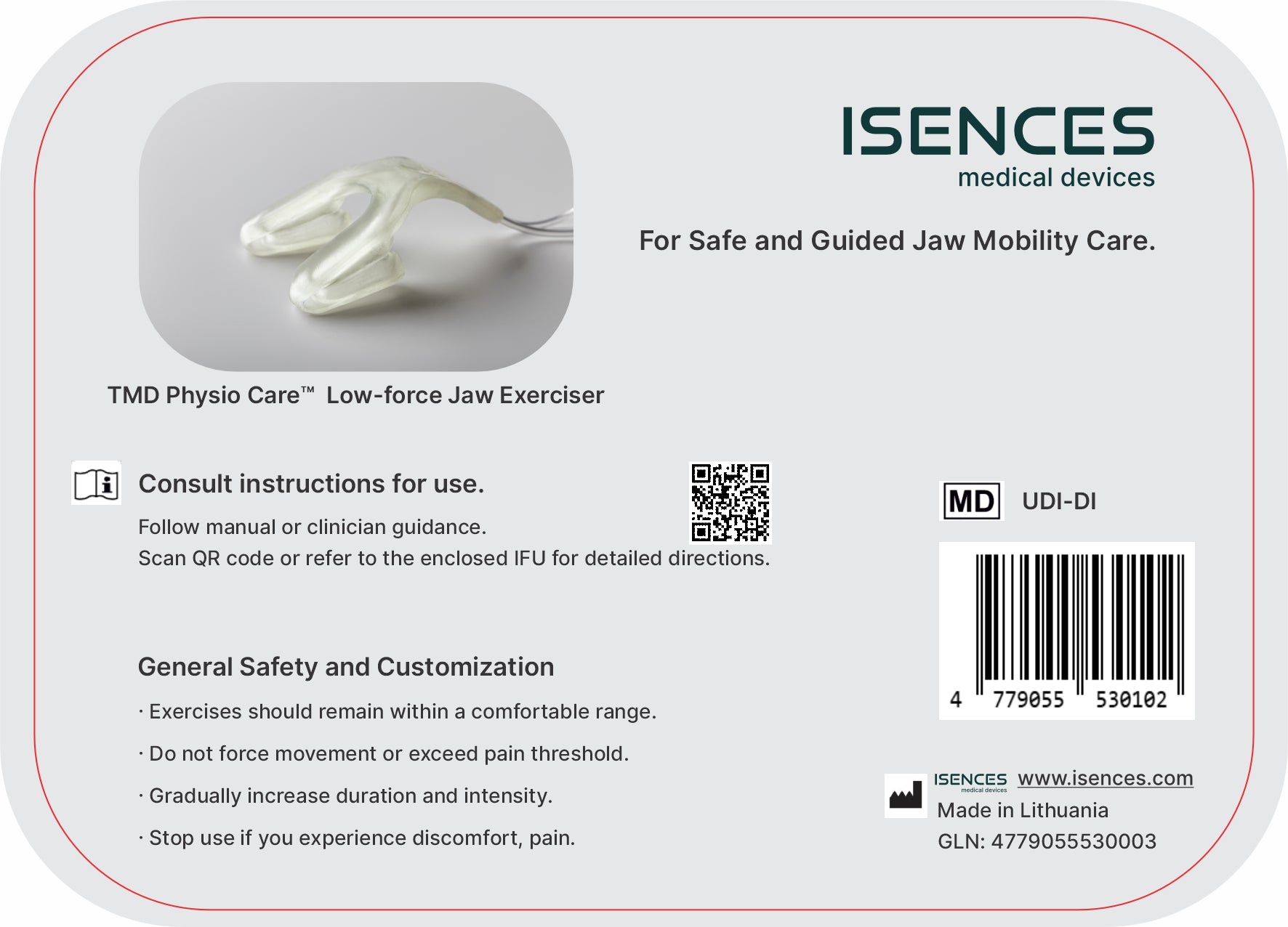
A bioengineered, physiotherapy-oriented solution designed to support gentle jaw mobilization, shear–rotational movement, and early functional recovery, while maintaining a joint-conscious and patient-tolerant approach.
GTIN
You may also like:
Isences® TMD Physio Care™ – Low-Resistance Jaw Mobility & Exercise Device for Home and Rehabilitation Support
Clinical
Specifications
&
Functional
Parameters
Clinical Function
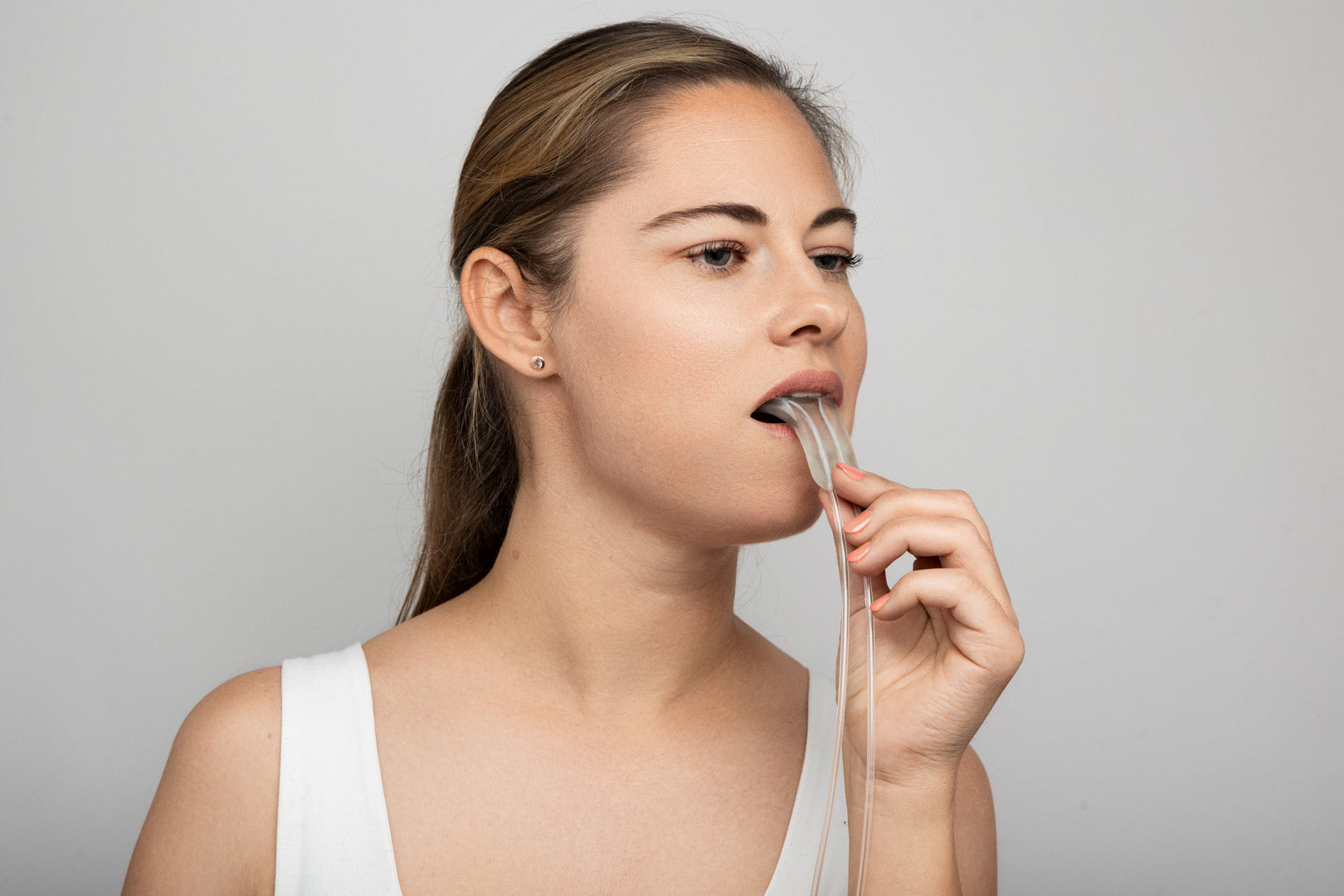
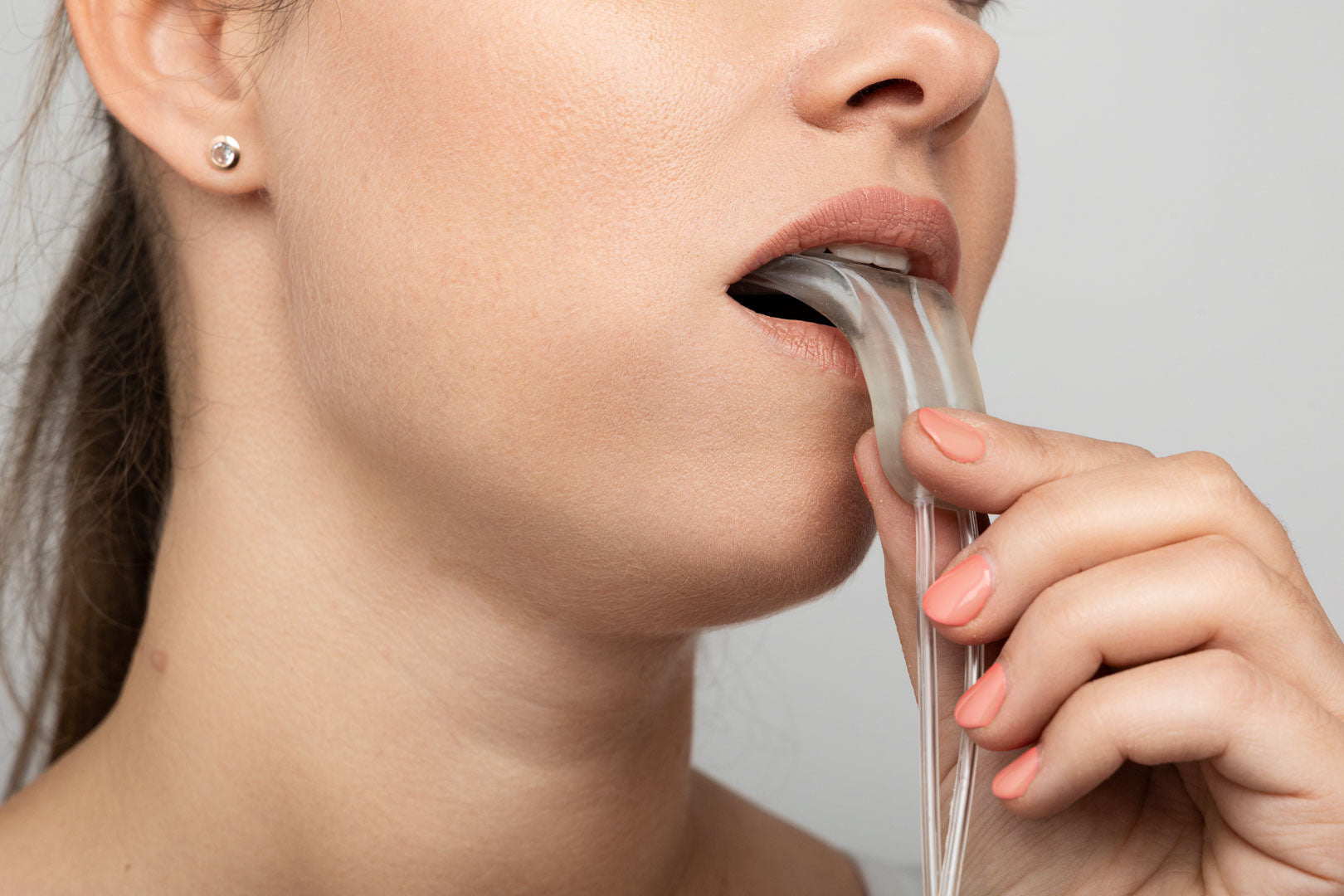
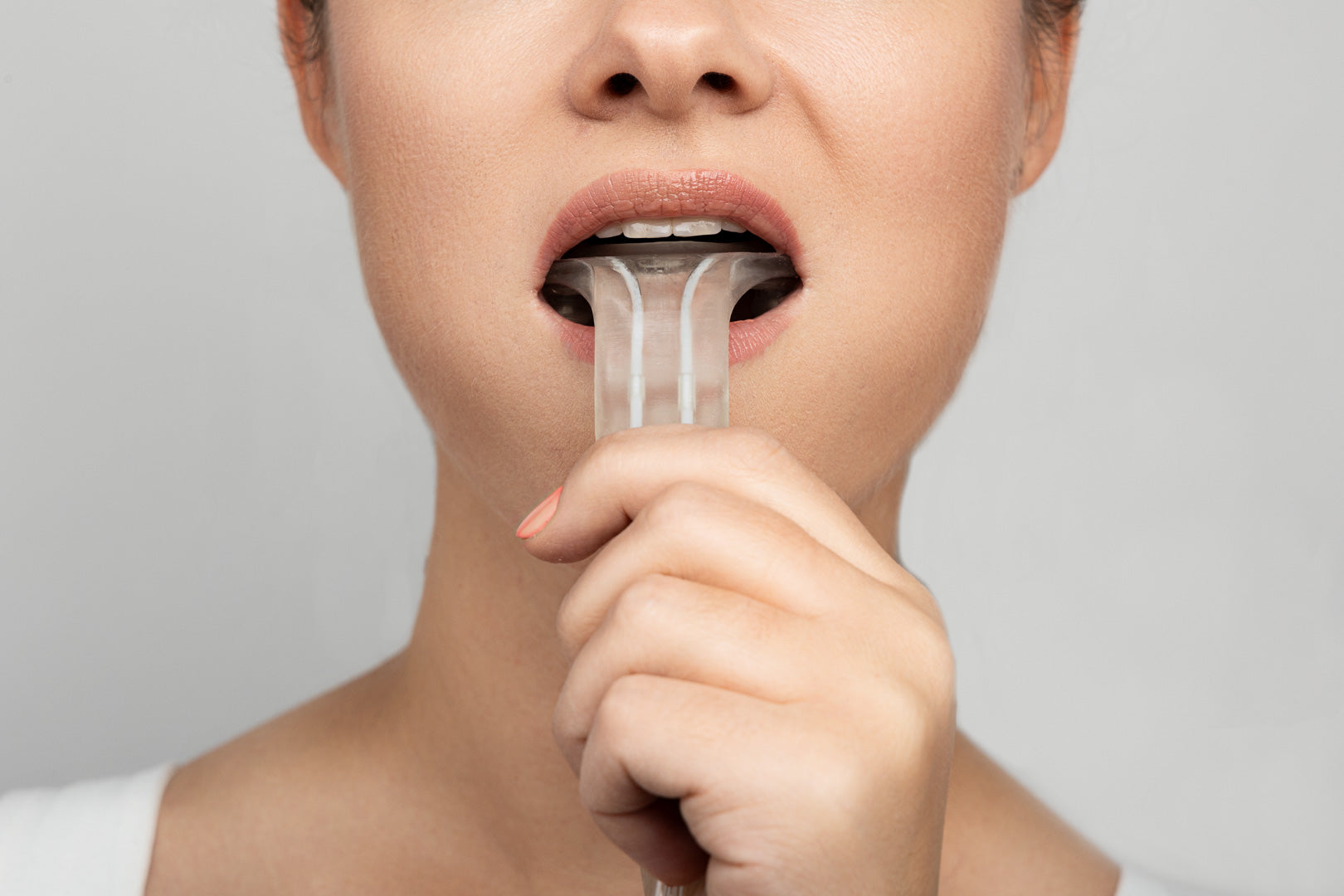
The device enables controlled, progressive mandibular movement, guiding the jaw through a physiological shear–rotational movement pattern during exercises.
This supports:
- Restoration of mandibular range of motion
- Improvement of joint kinematics
- Reduction of excessive loading on the TMJ
Therapeutic Approach
TMD Physio Care™ combines within one adaptable system:
- Gentle joint-friendly mobilization
- Muscle relaxation and tension reduction
- Low-intensity functional strengthening
This allows to apply a structured and progressive TMJ rehabilitation strategy, tailored to the patient’s tolerance and stage of recovery.
Clinical Application
The low-resistance configuration is suitable for integration into physiotherapy protocols addressing:
- Early-stage mobility restriction
- Post-surgical or post-traumatic rehabilitation (following clinical clearance)
- Bruxism-related muscle tension and guarding
It provides a consistent, controlled, and patient-tolerant approach to restoring jaw function.
Use in Clinical and Home Settings
Designed for clinical environments, the device can be incorporated into:
In-clinic treatment:
- Assisted mobility and gentle joint unloading
- Early neuromuscular re-education
Home exercise programs:
- Daily mobility exercises
- Reinforcement of clinical outcomes
- Improved adherence and continuity of care
Intraoral Dimensions & Adaptability
The device is designed to enable insertion and controlled expansion in patients with restricted mandibular opening.
- Reduced-volume insertion:
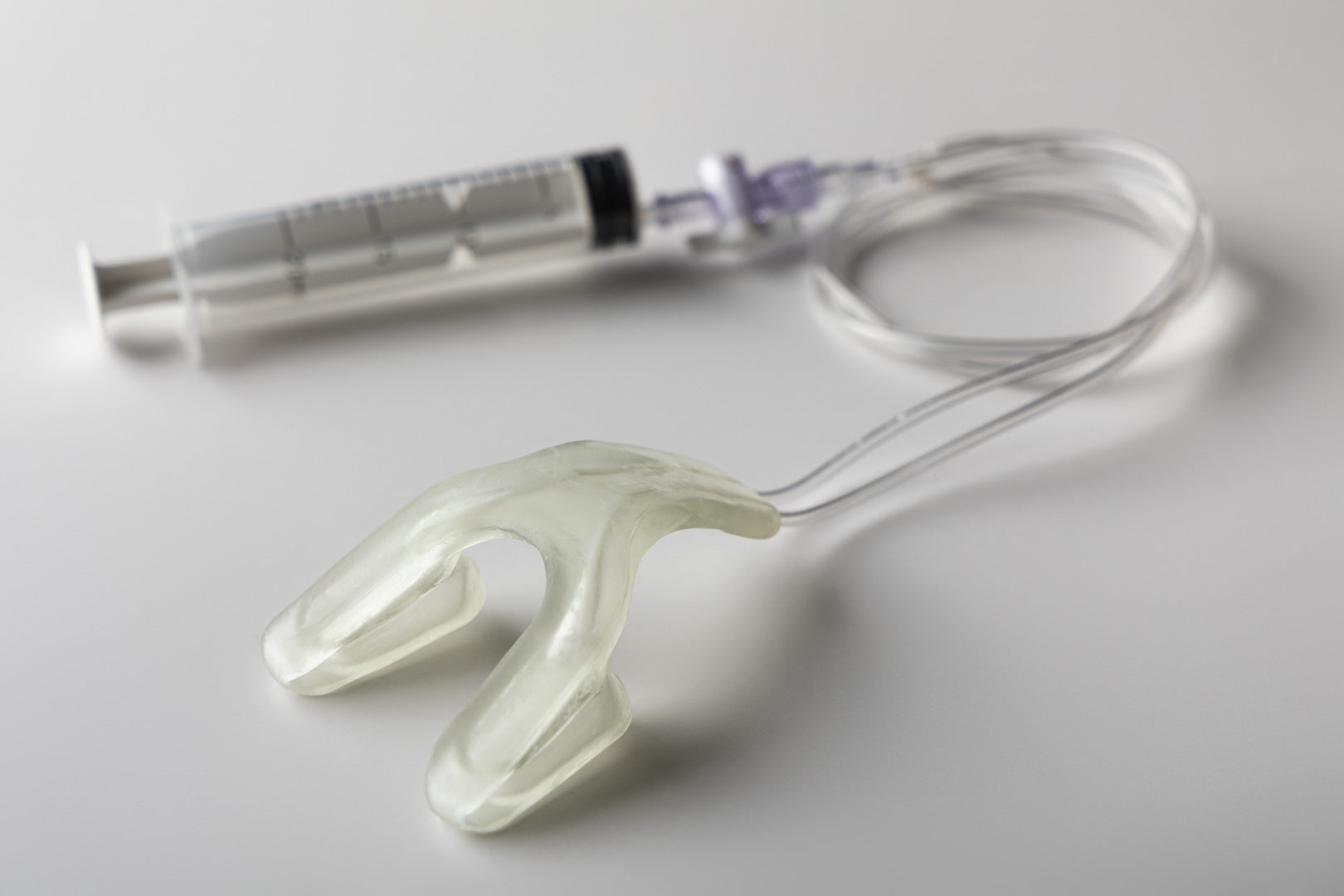
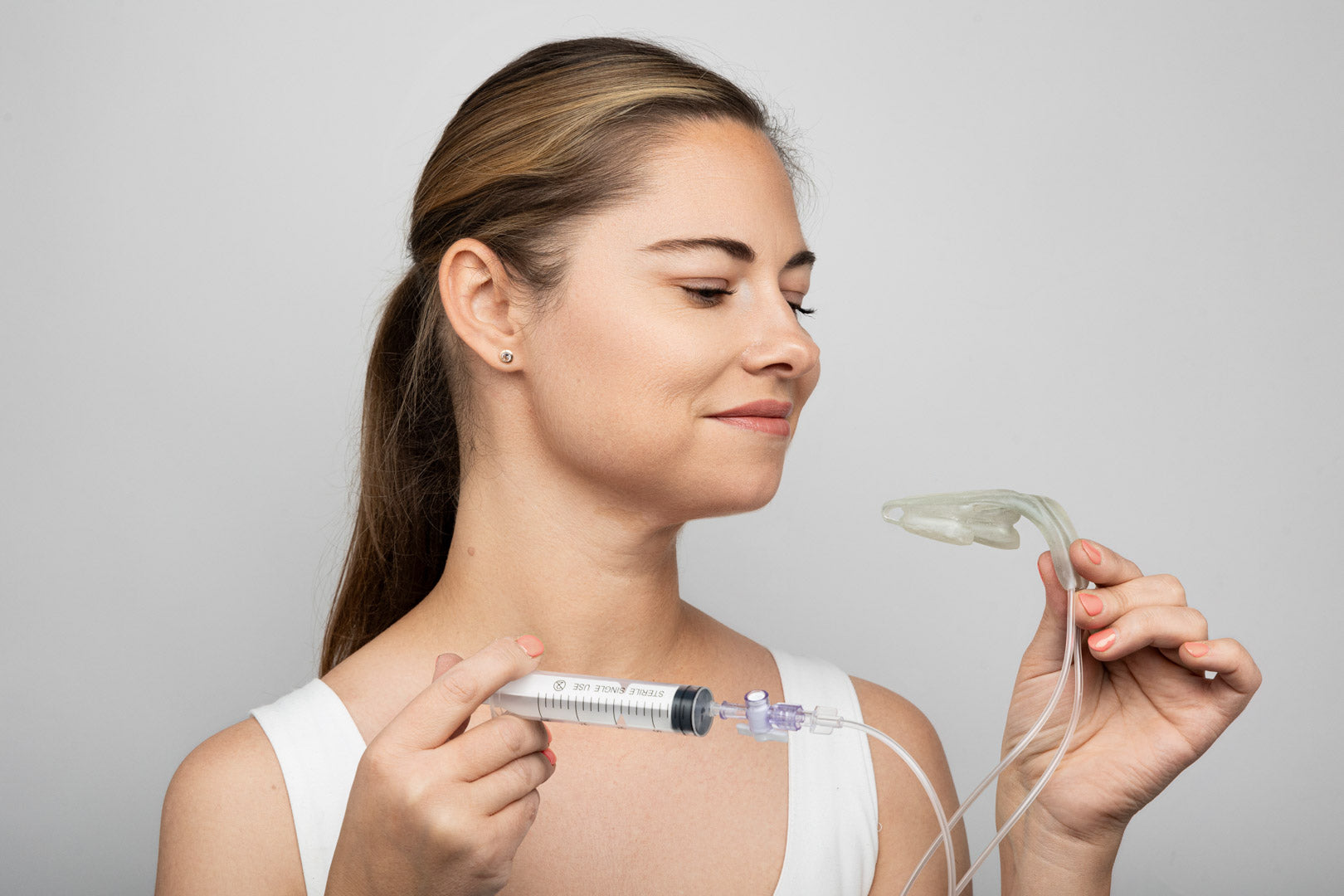
Withdrawing approximately 10 ml of air allows insertion at a minimal interincisal opening of ~15 mm - Progressive expansion range:
Controlled inflation up to ~ max. 14 ml of air supports gradual increase in mouth opening up to ~32 mm
Performance Note
When used within recommended parameters, the device maintains functional integrity for >3000 exercise cycles
Values are approximate and dependent on individual anatomy and clinical progression
Functional & Dynamic Force Characteristics
The device provides low-load, controlled mechanical stimulus suitable for early-phase rehabilitation.
Mandibular Movement Amplitude
Supports controlled jaw-opening exercises up to ~17 mm functional amplitude
→ Facilitates safe, guided range-of-motion training
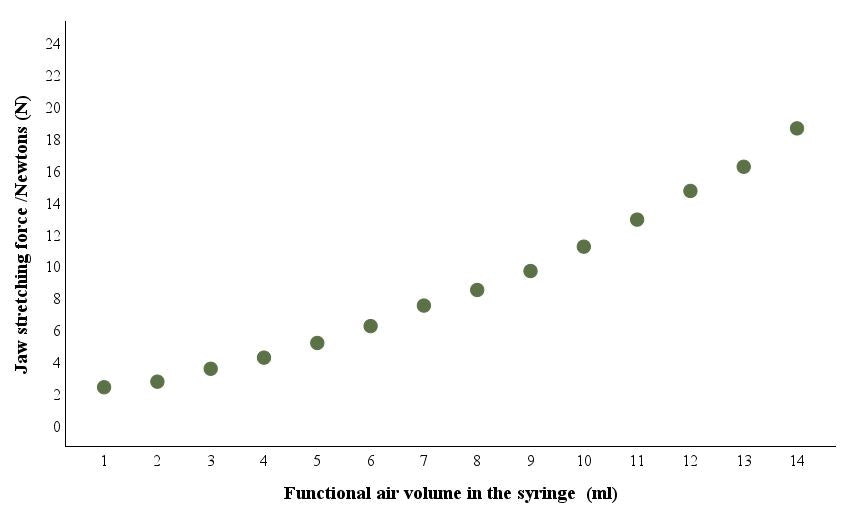
Stretching Force - Mobility Training
Generates up to ~18 N of low-load stretching force
→ Supports viscoelastic tissue adaptation
→ Promotes reduction of muscle guarding and stiffness
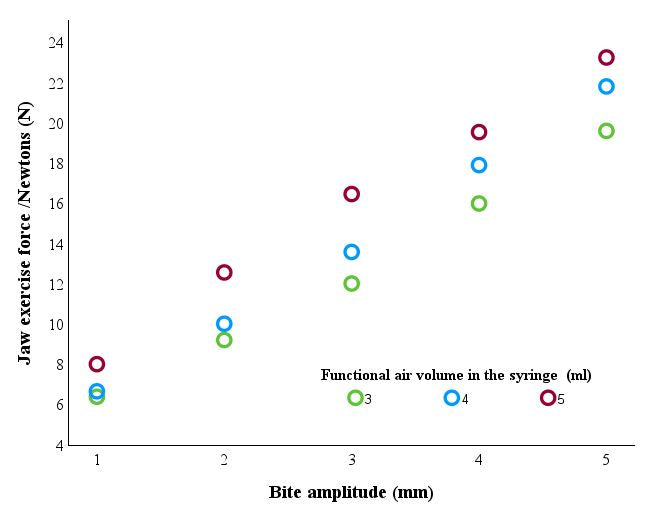
Strengthening Force - Stability Training
Provides resistance up to ~22 N, depending on:
- Air volume
- Bite amplitude
→ Enables submaximal isometric loading
→ Supports neuromuscular activation and coordination
Load Modulation
Resistance is dynamically adjustable via:
- Air volume (primary variable)
- Occlusal compression range (secondary variable)
→ Allows precise clinical dosing of load and intensity
Performance Note
Maintains functional consistency for >3000 cycles when used within recommended air volume and loading parameters
Clinical Rationale
The device provides a controlled mechanical environment that supports key rehabilitation mechanisms:
- Low-load, sustained stretching
→ promotes viscoelastic adaptation of soft tissues
→ reduces muscle hyperactivity and stiffness
- Adjustable submaximal resistance
→ facilitates neuromuscular activation and coordination
→ supports early-stage strengthening without joint overload
- Guided shear–rotational mandibular movement
→ aligns with physiological TMJ kinematics
→ helps minimize non-physiological loading patterns
Clinical Positioning & Role in Rehabilitation Pathway
The Low-Resistance Jaw Device is optimally positioned within:
Phase 1 — Mobility Restoration
- Improve range of motion
- Reduce guarding and pain-related limitation
Phase 2 — Early Neuromuscular Control
- Introduce controlled activation
- Establish symmetrical, coordinated movement patterns
Role in Rehabilitation Pathway
- Entry-level device for structured TMD rehabilitation
- Provides a foundation for progression toward higher resistance training
- Facilitates transition from passive mobility → active control
Design and usability
- Ergonomic intraoral design for secure and comfortable positioning
- Enables safe, repeatable application
- Adaptable resistance based on therapeutic needs
- Suitable for both supervised and guided self-use
General Safety & Customization Guidelines
Core Safety Principles
Pain-free rule
- All exercises must remain within a comfortable, non-painful range.
- A mild stretching sensation is acceptable—pain is not.
Post-Exercise Response Monitoring
After each session, monitor the response:
- No persistent pain, swelling, or stiffness should last beyond few minutes
If symptoms persist:
→ Reduce intensity or frequency
→ Pause use and reassess if needed
Movement Quality
Prioritize slow, controlled, and symmetrical mandibular movement.
Avoid:
- Sudden or forceful (ballistic) movements
- Clenching or excessive force
Progression & Load Management
Progression should follow clinical reasoning and patient tolerance.
Increase gradually:
- Air volume (resistance)
- Range of motion (jaw opening)
- Exercise duration or repetitions
Only progress when pain-free adaptation is achieved
Uncontrolled or unintended asymmetrical loading
⚠️ Contraindications and Precautions
Use only with clinical clearance in the following conditions
1. Acute or Active Conditions
- Acute inflammation of the TMJ
- Active locking episodes or acute trismus
- Active infection in the oral cavity or jaw (e.g., osteomyelitis, inflammatory joint conditions)
Post-Trauma or Post-Surgical Status
- Recent trauma to the mandible, maxilla, or TMJ
- Early post-operative phase without clinician clearance (e.g., orthognathic surgery, implant placement)
- Fixed or immobilized jaw (wired fixation)
- Recent dental implant procedures (resume only after healing and approval)
Systemic, Structural, or Neurological Conditions
- Malignancy in the orofacial or cervical region
- Severe osteoporosis or craniofacial bone fragility
- TMJ ankylosis (true bony fusion)
- Uncontrolled pain syndromes
- Neurological impairment affecting jaw control or sensation (e.g., trigeminal nerve dysfunction, motor control disorders)
Clinical Note
TMD Physio Care™ is intended for functional rehabilitation of the stomatognathic system.
Its use must be individualized based on diagnosis, functional limitation, and patient response, and integrated into a comprehensive rehabilitation plan where indicated.
Maintenance & Cleaning
Proper maintenance and cleaning are essential to ensure safe, hygienic, and long-term use of the Jaw Device.
Cleaning After Each Use
- Release any remaining air from the functional element(s) via the syringe port.
- Rinse the device thoroughly under lukewarm running water to remove saliva.
- Clean the exerciser with liquid soap and a soft cloth or brush, as needed.
- Rinse again with clean water to remove any detergent residues.
Disinfection
- Wipe clean with a damp cloth or disinfectant wipe after each session.
- Allow the device to air-dry completely before storage or reuse.
- Do not autoclave or expose the device to high temperatures, as this may damage the material.
Inspection and Maintenance
- Inspect the device before each use for cracks, leaks, or deformation.
- Check the air valve and tubing for secure sealing and smooth operation.
- Replace the exerciser if you notice any signs of wear, air leaks, or tearing of the material.
Storage
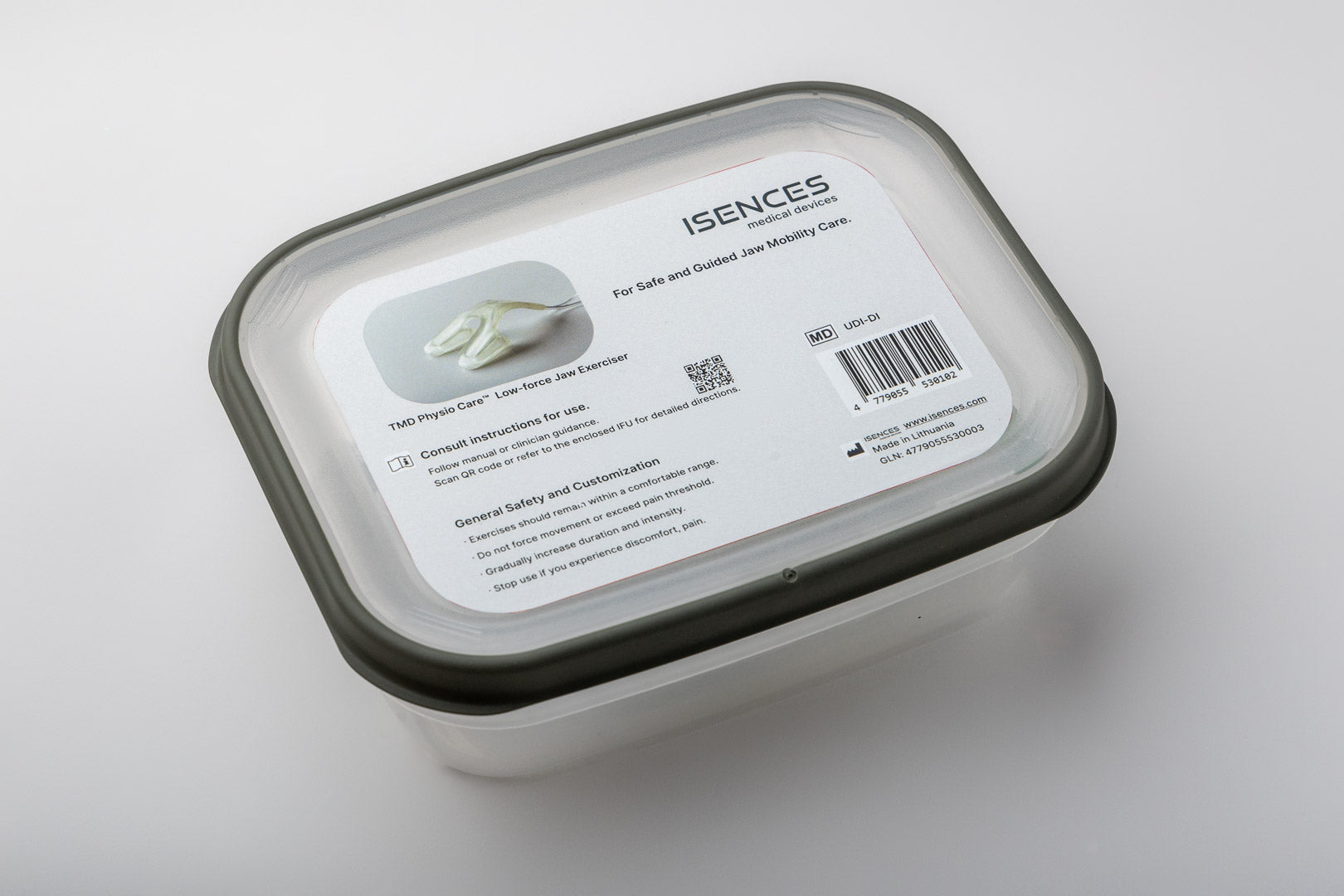
Store the Jaw Device clean and dry in a pouch sleeve and carrying case made of food-grade material.
The Jaw Device is made of biocompatible resin, which is designed for long-term skin contact (more than 30 days) and short-term mucosal contact (up to 24 hours), ensuring safety and great feel. The medical-grade resin, manufactured in an FDA registered, ISO 13485 certified factory and CE marked according to the EU MDR, meets the highest standards of quality and reliability.