
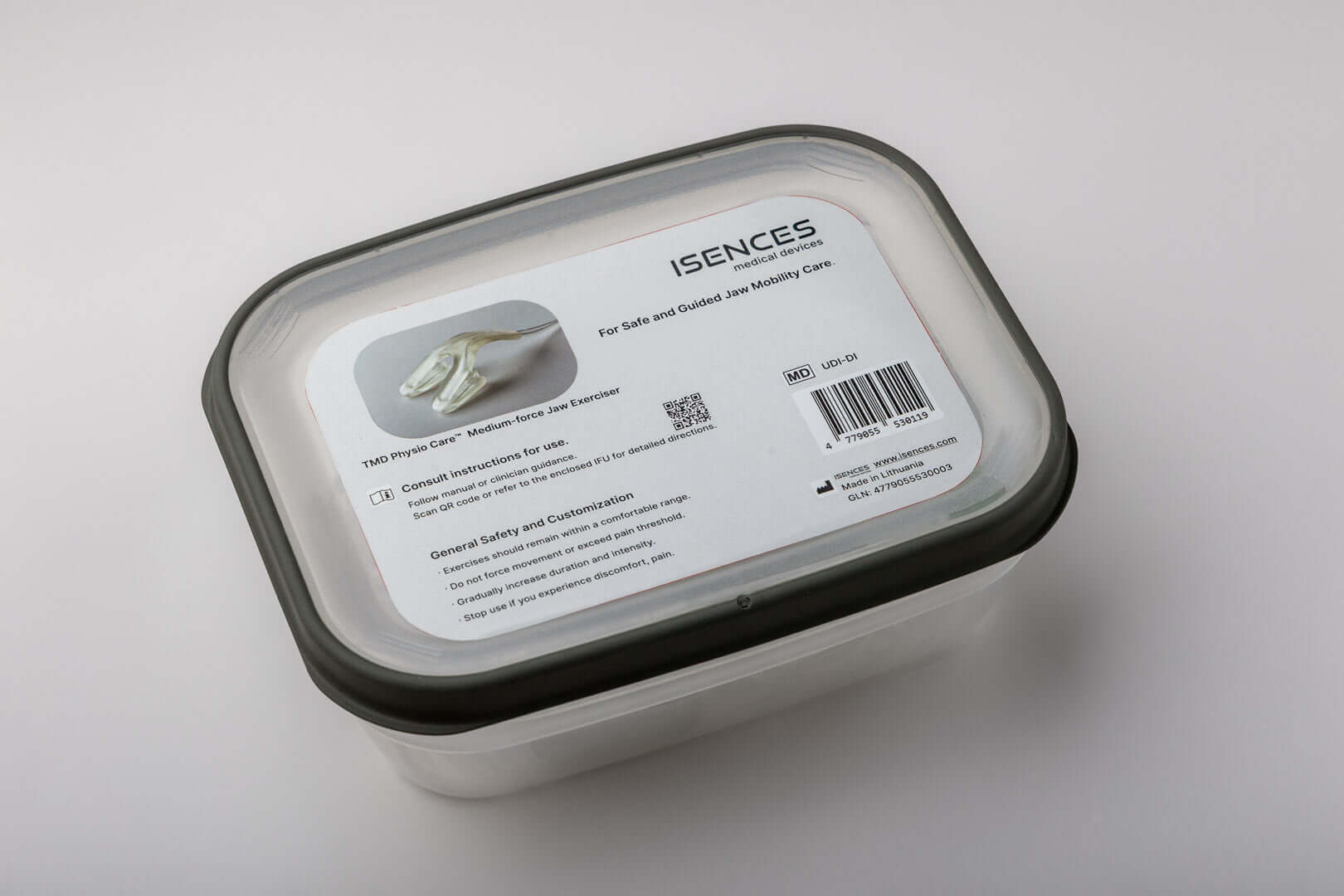
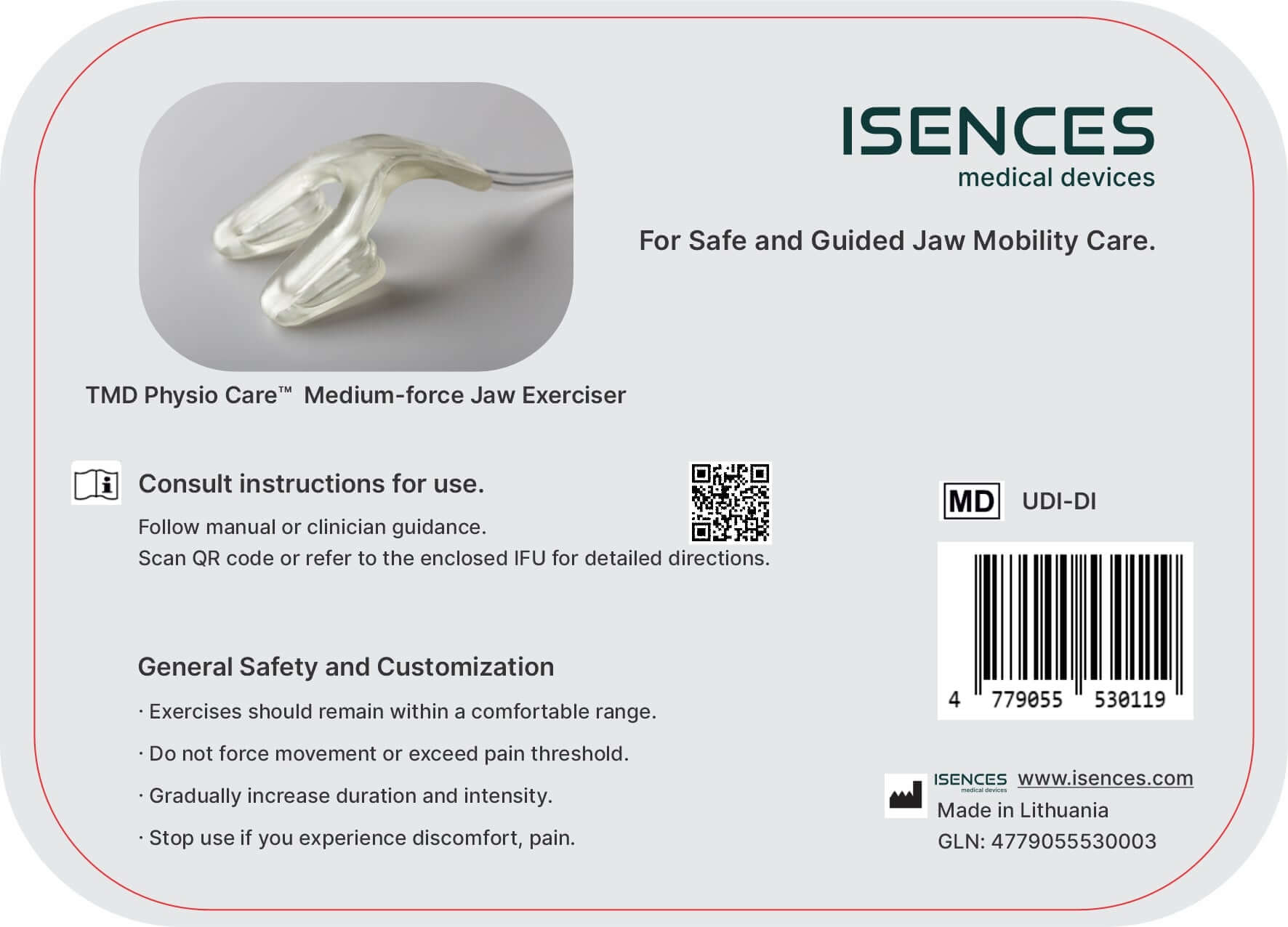
Isences®
TMD
Physio
Care™
–
Medium-Resistance
Jaw
Mobility
&
Exercise
Device
for
Home
and
Rehabilitation
Support
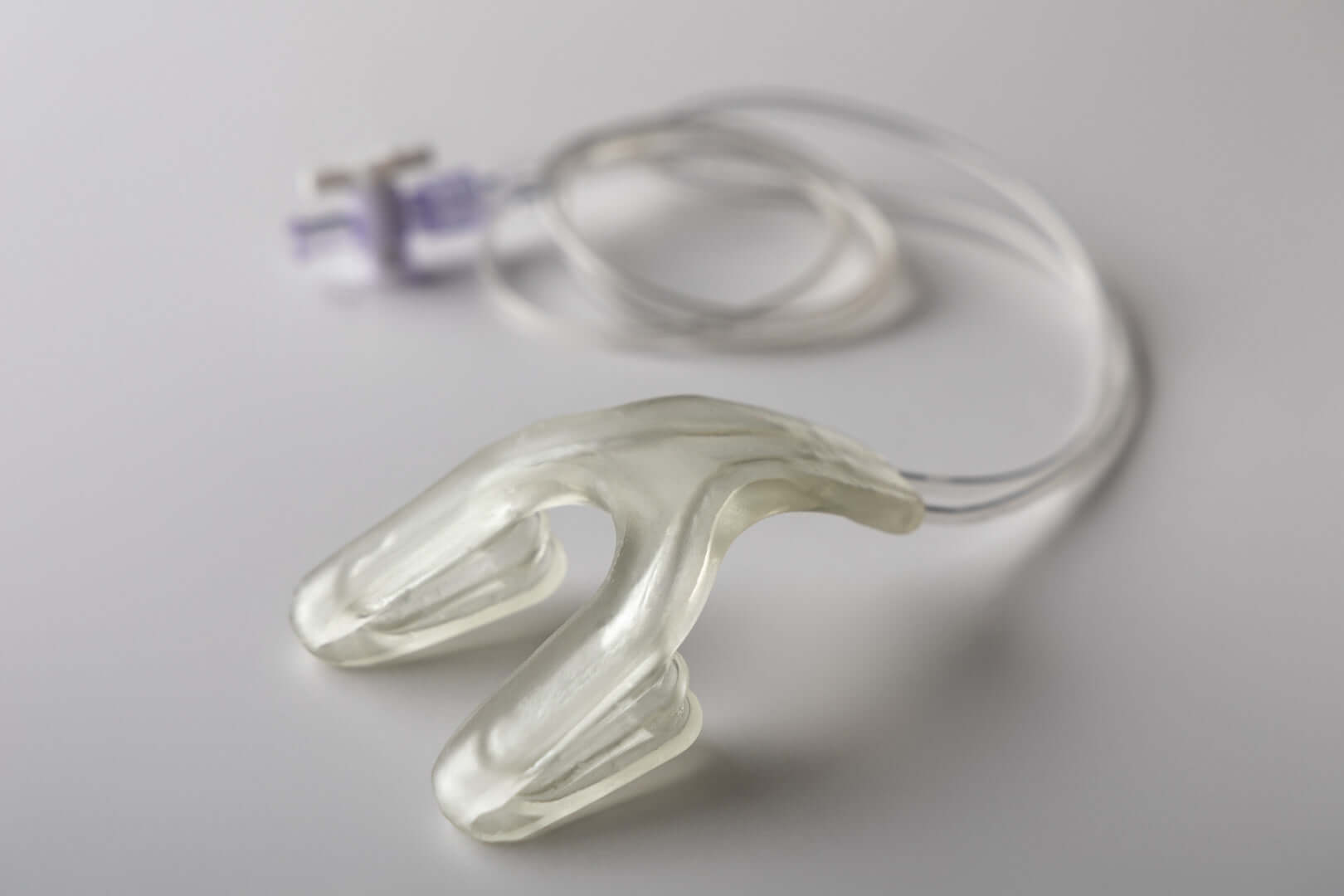
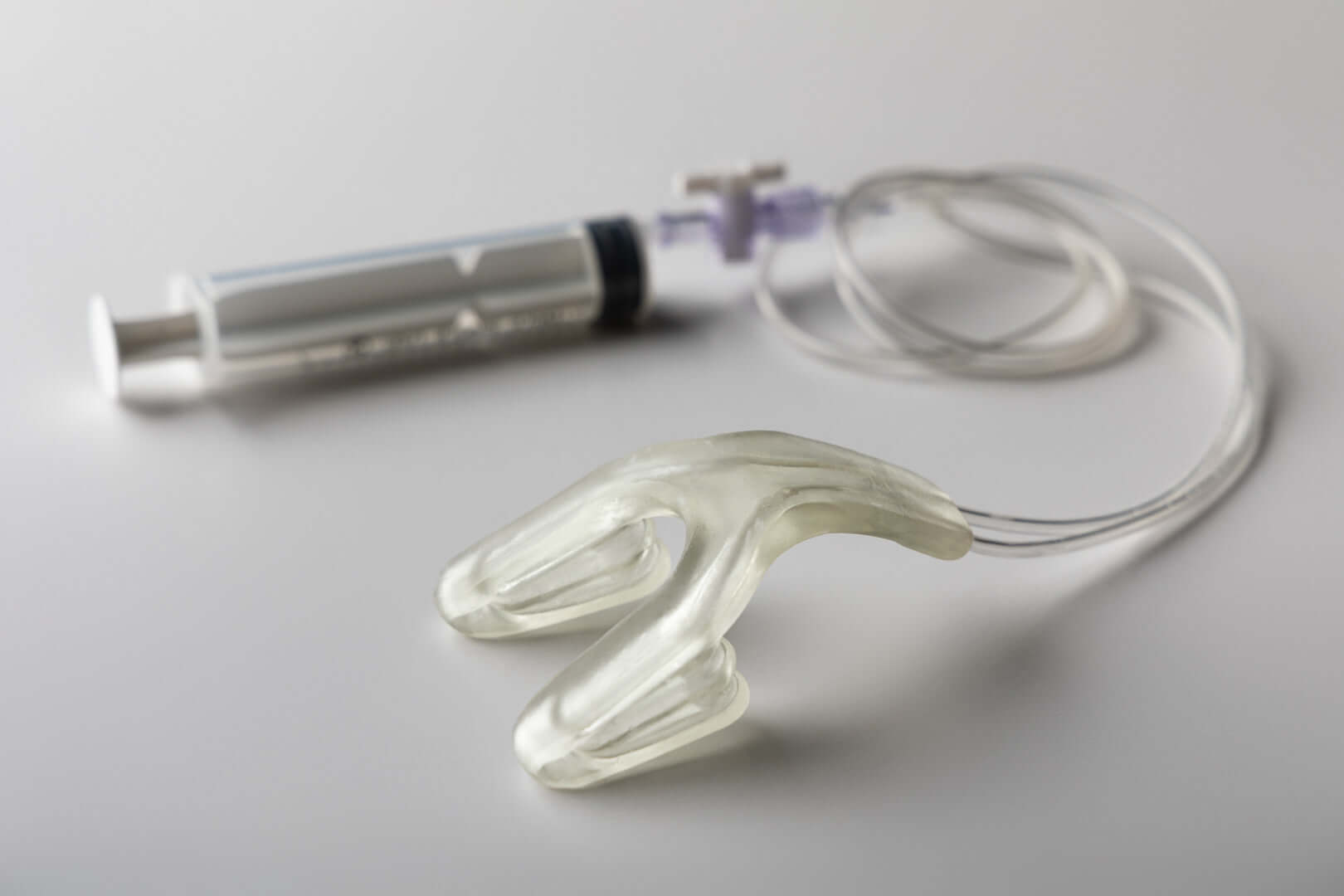
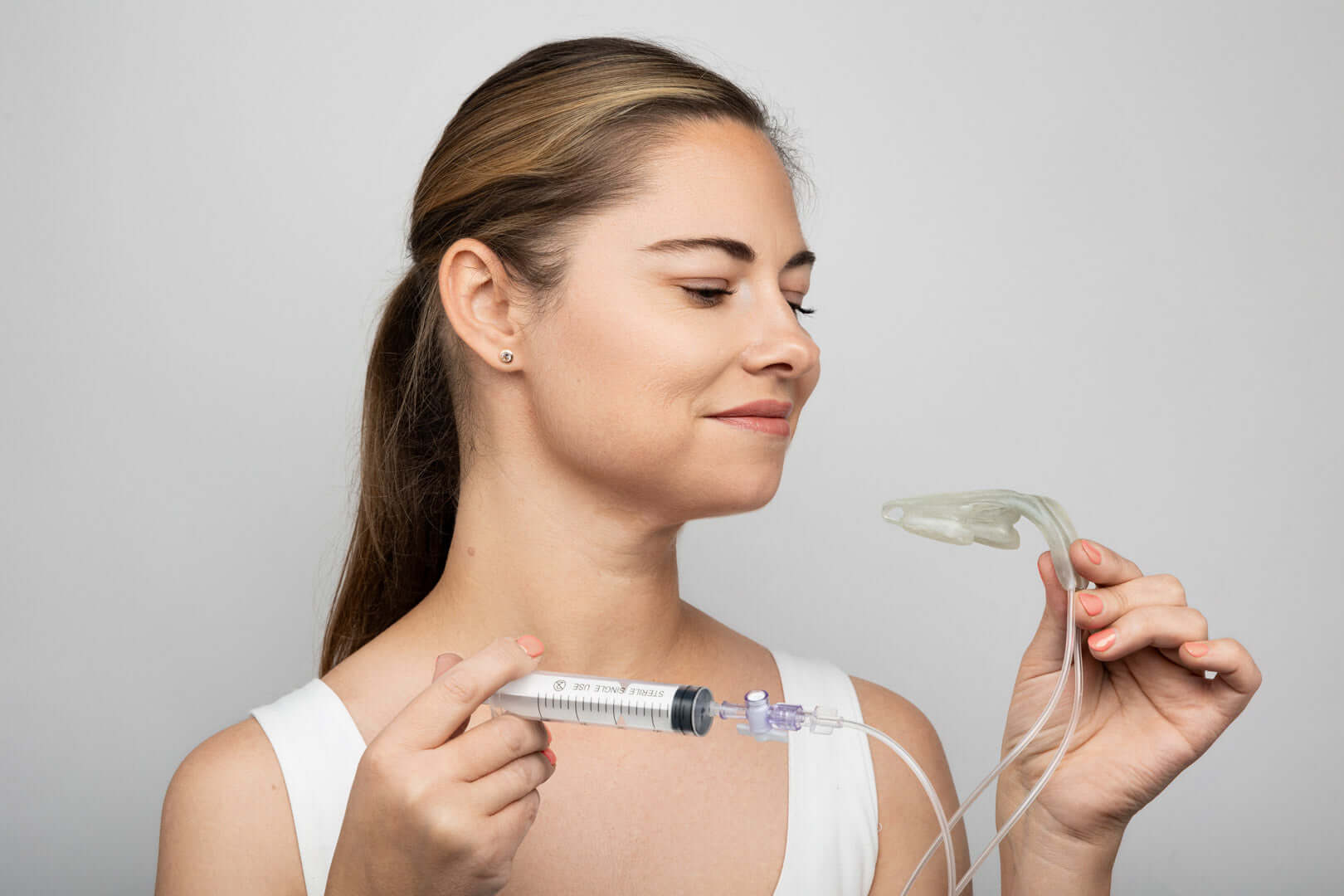
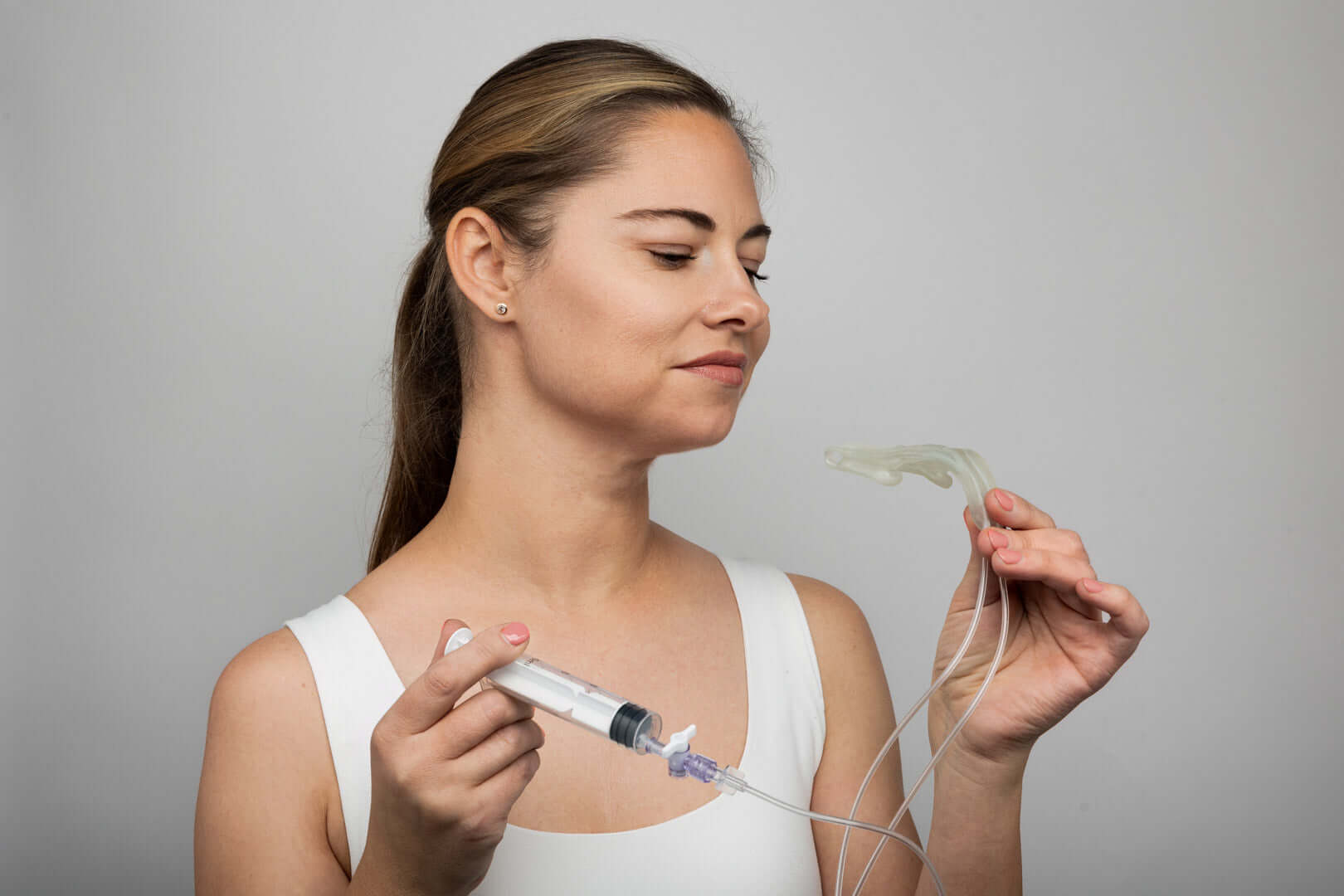
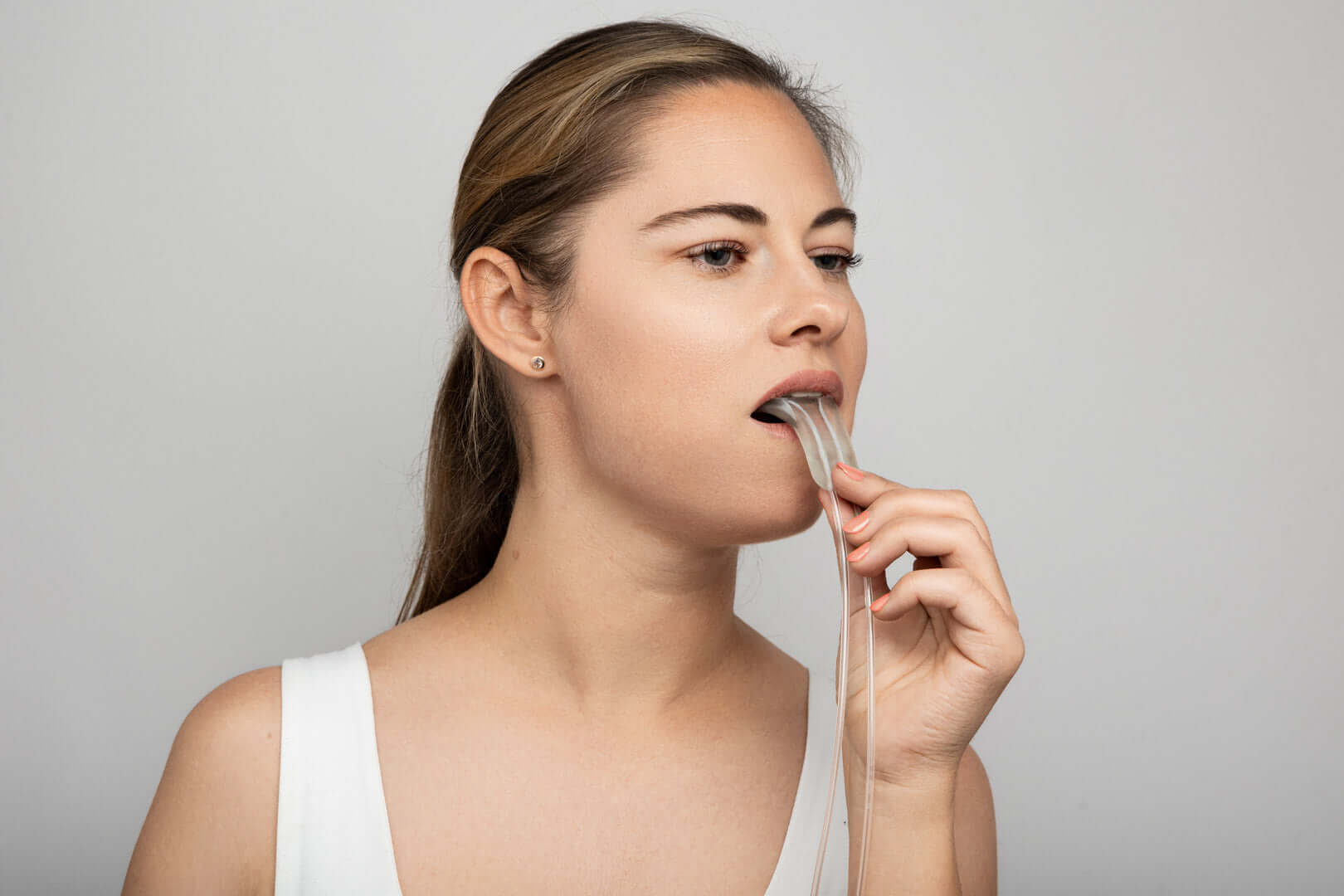
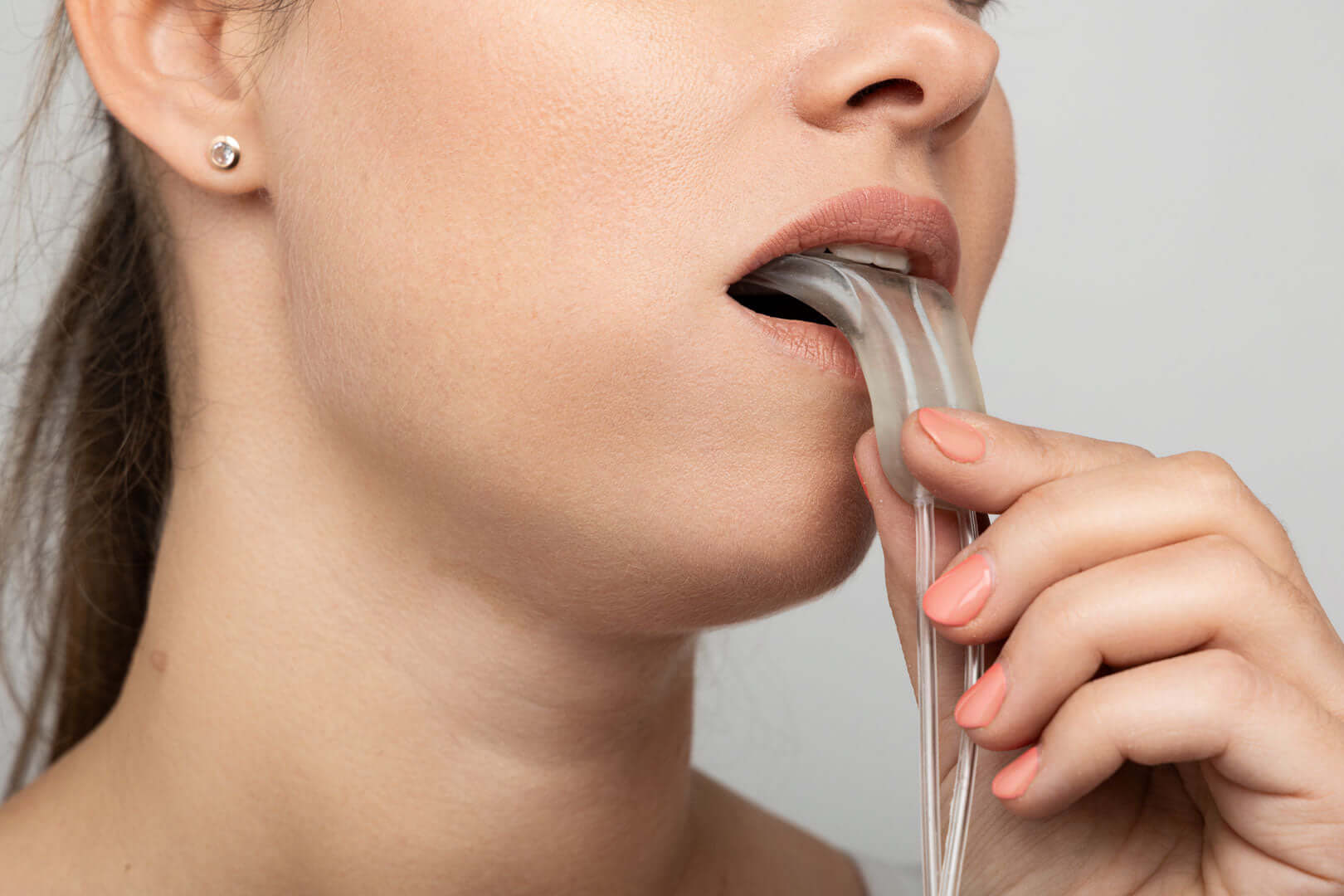
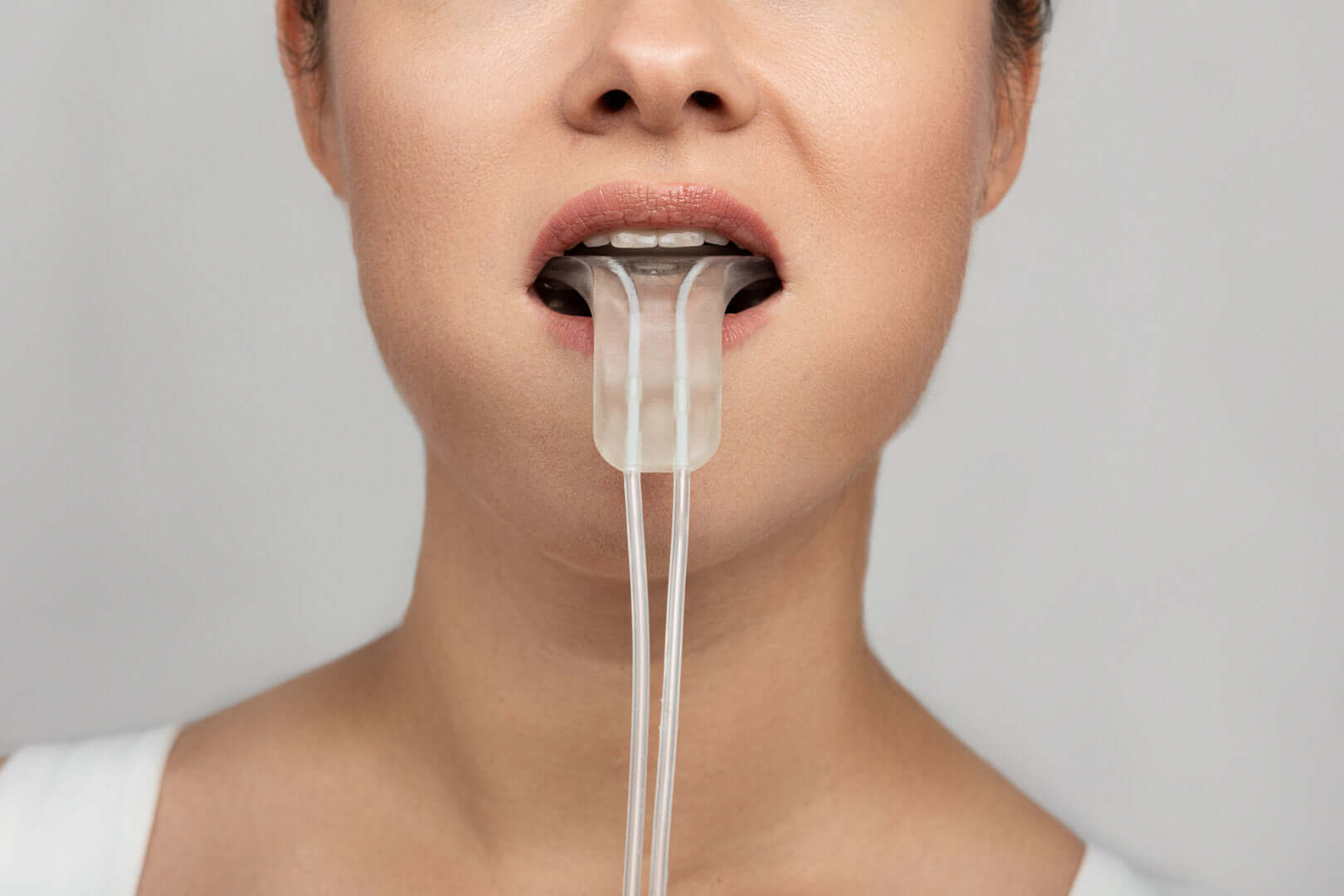
The medium-resistance device facilitates active, controlled mandibular mobilization under moderate load, guiding movement along a physiological shear–rotational pathway. Compared to low resistance, it introduces increased neuromuscular demand, supporting the transition from passive mobility restoration to active functional stabilization.
GTIN
You may also like:
Isences® TMD Physio Care™ – Medium-Resistance Jaw Mobility & Exercise Device for Home and Rehabilitation Support
Clinical
Specifications
&
Functional
Parameters
Clinical Function
The medium-resistance device facilitates active, controlled mandibular mobilization under moderate load, guiding movement along a physiological shear–rotational pathway. Compared to low resistance, it introduces increased neuromuscular demand, supporting the transition from passive mobility restoration to active functional stabilization.
Therapeutic Approach
Positioned within a progressive loading rehabilitation model, the medium-resistance device facilitates the transition from assisted/passive mobility to active, resisted mandibular function, while maintaining physiological movement patterns and joint safety.
The device is used to:
- Restore mandibular range of motion (ROM):
Promotes incremental gains in both rotational and translational components of mandibular movement, particularly during opening and lateral excursions under controlled load. - Optimize joint kinematics:
Reinforces coordinated condyle–disc mechanics, improving the synchronicity between hinge (rotation) and glide (translation) phases, thereby normalizing movement patterns. - Reduce pathological TMJ loading:
Introduces controlled resistance that helps redistribute forces across the joint, minimizing excessive stress on retrodiscal tissues and articular surfaces. - Enhance neuromuscular control and proprioception:
Facilitates re-education of masticatory muscle activation patterns, reducing compensatory hyperactivity and improving movement precision.
- Support progressive tissue conditioning:
Applies graded mechanical loading to promote adaptive responses in capsular, ligamentous, and muscular structures without exceeding physiological tolerance.
Clinical Application
The medium-resistance configuration is suitable for integration into physiotherapy protocols addressing:
- Residual TMJ dysfunction
- Persistent mobility limitations following initial ROM recovery
- Post-surgical or post-traumatic rehabilitation (following clinical clearance), where controlled loading is indicated
- Bruxism-related muscle dysfunction, including hyperactivity and impaired motor control
It provides a controlled, progressive loading environment that supports the transition from passive mobility restoration to active functional rehabilitation, promoting improved joint stability, neuromuscular coordination, and tolerance to physiological load.
Use in Clinical and Home Settings
Designed for clinical environments, the device can be incorporated into:
In-clinic treatment:
- Assisted mobility and gentle joint unloading
- Early neuromuscular re-education
Home exercise programs:
- Daily mobility exercises
- Reinforcement of clinical outcomes
- Improved adherence and continuity of care
Intraoral Dimensions & Adaptability
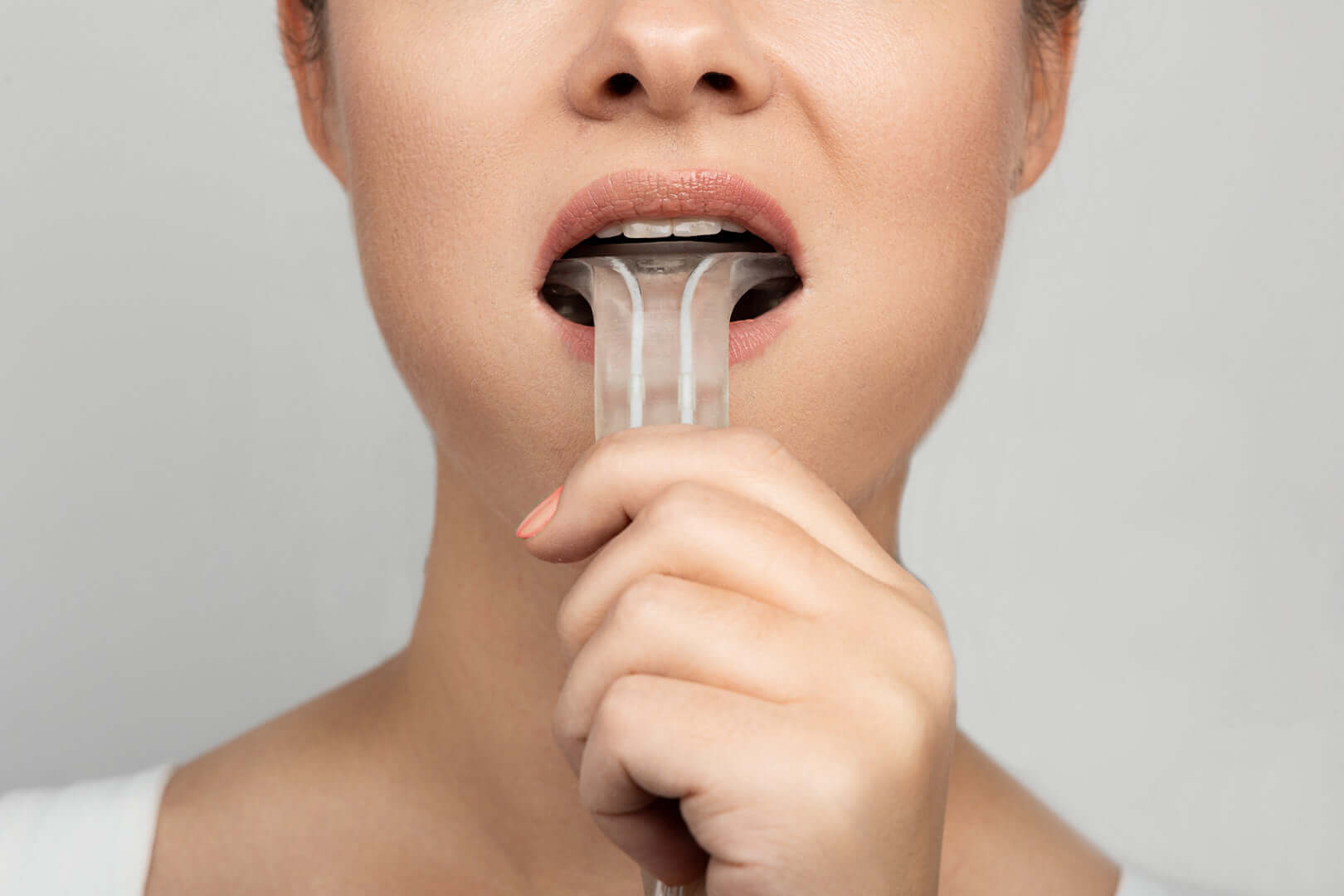
The device is designed to enable insertion and controlled expansion in patients with restricted mandibular opening.
- Reduced-volume insertion:
Withdrawing approximately 20 ml of air allows insertion at a minimal interincisal opening of ~17 mm - Progressive expansion range:
Controlled inflation up to ~ max. 17 ml of air supports gradual increase in mouth opening up to ~36 mm
Performance Note:
When used within recommended parameters, the device maintains functional integrity for more than 3,000 exercise cycles.
Values are approximate and dependent on individual anatomy and clinical progression.
Functional & Dynamic Force Characteristics
The medium-resistance configuration is designed to deliver controlled, submaximal loading across both mandibular mobilization and strengthening exercises, supporting safe progression toward functional stability and load tolerance.
Functional Performance Parameters
- Jaw opening (mobilization) amplitude:
Up to approximately 19 mm of controlled interincisal excursion during dynamic exercises - Jaw stretching force:
Up to approximately 24 N, enabling progressive capsular and muscular elongation within physiological limits
Jaw strengthening force:
Up to approximately 24 N, depending on: Internal air volume, bite amplitude
Controlled Stretching Protocol
Technique
- Insert the device following appropriate volume reduction (if needed) to accommodate current mandibular opening
- Allow passive re-expansion to the patient’s comfortable range before applying active stretch
- Reconnect the syringe and gradually inflate the device in small increments
- Apply stretch until a moderate, non-painful tension is perceived (end-range, not forced)
Dosing Guidelines
- Intensity: Mild to moderate stretch (~3–4/10 perceived tension)
- Hold duration: 10–15 seconds per stretch
- Repetitions: 3–5 per session
- Frequency: 2–4 sessions per day
Controlled Strengthening Protocol
Technique:
- Inflate the device with 5 mL of air, then secure pressure using the one-way stopcock
- Instruct the patient to gently bite down, allowing a controlled interincisal movement of approximately 1–7 mm
- This produces a moderate isometric load (~5–18 N), appropriate for early-stage strengthening and motor control training
Progression:
- Increase internal volume to 7 mL of air
- Resistance increases to approximately 7–24 N, maintaining the same 1–7 mm controlled movement range
Enables progressive isometric loading while preserving movement precision
Balanced Mobility & Stability Training
Purpose
Maintains a healthy balance between mobility and stability to support efficient and controlled jaw function.
How to Use
Follow this sequence during each session:
Start with stretching (mobility)
Improves range of motion and reduces stiffness
Then perform strengthening (stability)
Helps stabilize the jaw within the improved range
Finish with relaxation
Gently close your jaw and perform light facial massage (1–2 minutes)
Example Session
- Stretching: 3 repetitions
(5–7 seconds each) - Isometric resistance: 5 repetitions
(5 seconds each)
Key Tips - Keep all movements controlled and pain-free
- Focus on smooth, balanced motion
- Progress gradually, not forcefully
General Safety & Personalization Guide
Follow These Core Principles
Keep movements pain-free
Only exercise within a comfortable range. → If you feel pain, stop immediately
Monitor your response
After each session:
- A mild, short-lasting sensation is normal
- Pain, swelling, or stiffness should not persist
→ If symptoms last more than a few minutes, reduce intensity or stop use
Maintain proper posture
- Sit upright in a relaxed position
- Keep your head in a neutral alignment
- Avoid leaning forward or clenching
Choose a calm environment
- Perform exercises in a quiet, relaxed setting
- Minimize distractions that may increase tension
Progress gradually
- Increase resistance or jaw opening step by step
- Do not rush progression
→ For best results, consider guidance from a healthcare professional
⚠️ Medical Conditions & Recovery
Do not use the device without professional approval if you have:
- Recent jaw, facial, or dental surgery (including implants)
- Active healing restrictions (e.g., wired or immobilized jaw)
- Serious structural conditions (e.g.,severe bone fragility, joint fusion)
- Unexplained or neurological symptoms (e.g., persistent pain, numbness, loss of control)
❗ Important
If you are unsure whether this device is appropriate for you, consult a qualified healthcare professional before use.
Maintenance & Cleaning
Proper care helps keep your device safe, hygienic, and effective for long-term use.
After Each Use
Release air - remove all remaining air using the syringe port
Rinse thoroughly - clean under lukewarm running water to remove saliva
Clean if needed - use mild liquid soap with a soft cloth or brush
Rinse again - ensure all soap residue is fully removed
Disinfection
- Wipe with a clean damp cloth or disinfectant wipe
- Allow the device to air-dry completely before storing
Storage
Store only when clean and fully dry
Keep in a protective pouch or case
Avoid moisture, heat, and direct sunlight